Why Does an Apple Turn Brown When Peeled?
Within minutes of being cut or peeled, apples start to turn brown, making the fruit unattractive and, in a short amount of time, inedible. The browning has frustrated cooks and consumers for generations and led chemists and growers to develop methods to prevent or reduce the browning process. While brown apples are generally avoided, the same browning is an integral part of the processing of tea, coffee and cocoa, and gives the beverages their familiar brown shade, according to Scientific American online.
-
Fundamentals
-
When an apple is cut, oxygen comes in contact with the fruit's inner tissue and starts a chain-reaction chemical process that results in browning, according to Rich Hartel, a food science professor at University of Wisconsin-Madison. One particular enzyme in the apple cells, polyphenol oxidase, begins deteriorating. As this enzyme breaks down, it produces a new set of chemicals on the cut surface of the apple that includes dark-colored compounds. The process, called enzymatic browning, may be the plant's way of keeping pests away from a cut or broken area.
Significance
-
As an apple's cut surfaces brown from exposure to air, the flesh turns soft and loses flavor. Over time, the cut area softens to the point of almost liquefying. The degradation spreads throughout the apple. An apple that is dropped, hit or bruised also turn brown, producing mushy discolored areas under the skin.
-
Pigmentation
-
The chemicals produced in the enzymatic browning process belong to a group of pigments known as melanins, the same chemicals that give human skin its color, according to Hartel. The chemical gives dried fruit like raisins and prunes their darker color and tints apple cider. Avocados, bananas and potatoes also turn brown when cut.
Differences
-
Some apples brown faster than others, depending on the variety, age and growing conditions, according to Scientific American. While all apples contain polyphenyl oxidase, the levels can vary. A 'Red Delicious' apple, for example, generally turns brown faster than a firmer, more acidic 'Granny Smith' apple. Some apple growers and agronomists continue to try to develop slower-browning or non-browning apples based on the plant's genetic composition, growing conditions and soil type.
Prevention/Solution
-
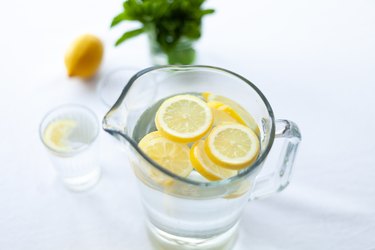
Several measures can prevent apples from turning brown before or during use in cooking, according to the online resource Recipe Tips. Brush the apple's cut surface with lemon juice to prevent browning. For large quantities of cut apples, place the pieces in a solution cold water and lemon juice, then drain to serve. Apples also can be dipped in lemon-lime soda, apple juice or a commercial ascorbic acid solution to prevent discoloration. Coating apples with a sugary glaze or syrup also prevents browning, as does cooking the apples, according to Scientific American.
-
References
Resources
- Photo Credit apple slice image by bluefern from Fotolia.com