





The alkaline diet for cancer involves eating a special diet high in alkaline foods and low in acidic foods. This is suggested by advocates as a method of preventing cancer, slowing the growth of tumors and aiding in cancer treatments. Advocates believe that eating certain foods will alter the pH balance of the body, thus making the environment less hospitable to tumors, but these beliefs are not endorsed by the medical community.
What Is an Alkaline Diet

An alkaline diet is a diet high in alkaline foods and low in acidic foods. Alkaline foods include, among others, squash, lettuce, tomatoes, celery, carrots, onions, chick peas, spinach, cucumber, basil, parsley, olive oil, lemons, limes and watermelons. Acidic foods, among others, include caffeine, tobacco, sugar, meat, white rice and pasta.
Claims About Alkaline and Cancer
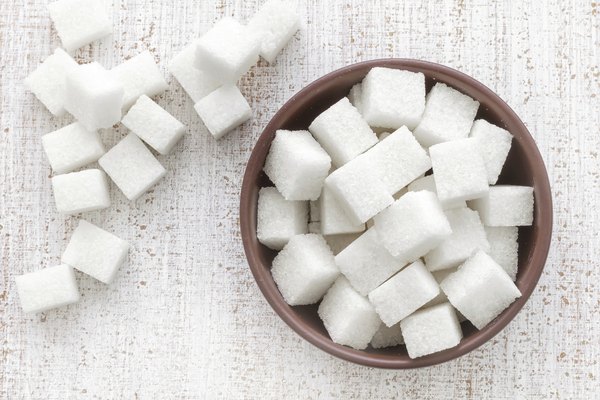
Proponents of an alkaline diet believe that altering the eating habits and eating a high alkaline, low acidity diet, can actually alter the pH balance of the body. They believe tumors grow more quickly in acidic environments, so they argue that if you create an alkaline environment, tumor growth will be slowed or stopped.
Can You Make Your pH More Alkaline?

Doctors at Bringham and Women's Hospital, a teaching hospital affiliated with Harvard Medical School, dispute the claims made by advocates of an alkaline diet. Doctors suggest that the body has a number of mechanisms of regulating pH, including the pace of breathing and the ability to excrete high levels of alkaline. Thus, doctors believe that an alkaline diet can't significantly alter the pH balance of the body for any meaningful length of time.
Does Alkaline Kill Cancer Cells
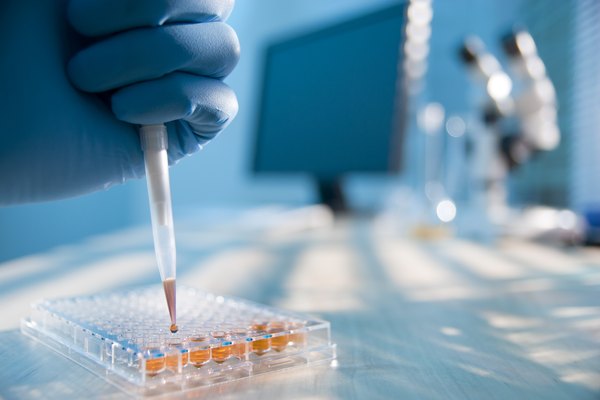
Test tube studies have demonstrated a link between acidity and tumor growth. Tumors in test tubes grow more rapidly in acidic environment, and chemotherapy is more effective at killing tumors if the area around the tumor is more alkaline. However, doctors caution that this result will not necessarily translate to human beings, and that no human studies have demonstrated this connection. Furthermore, there is no evidence that an appropriately high level of alkaline pH could be achieved in the body as a result of the alkaline diet to have these effects, even if the link was proven in humans.
Can an Alkaline Diet Be Harmful?

Alkaline diets exclude certain foods that have been proven to be helpful in aiding cancer treatments. For example, alkaline diets suggest refraining from dairy products, which are an important source of Vitamin D that has been shown to increase cancer survival rates. Protein is also important for chemotherapy patients, and many sources of protein are restricted on alkaline diets.
References
Writer Bio
This article was written by the CareerTrend team, copy edited and fact checked through a multi-point auditing system, in efforts to ensure our readers only receive the best information. To submit your questions or ideas, or to simply learn more about CareerTrend, contact us [here](http://careertrend.com/about-us).
Image Credit
Elena Elisseeva/iStock/Getty Images