How Are Designs Painted on Plates & Cups?

How Are Designs Painted on Plates & Cups? thumbnail
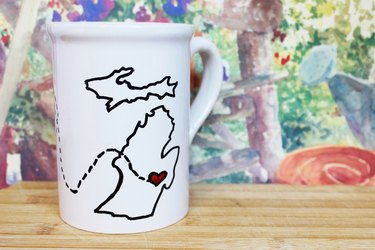
Hand-painted ceramic dishes add flair to any table.

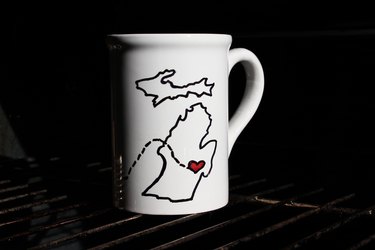
New ceramic paints enable arts and crafts enthusiasts of all ages to easily decorate cups and dishes with long-lasting, dishwasher-safe designs--without using a ceramics kiln. Ceramic paints are applied to commercial glazed dishware and baked in a standard oven. Specialized ceramic paints are food-safe and available at craft and ceramics supply stores and online. Do-it-yourselfers can create hand-painted ceramic cups, mugs and dishes as special, personalized gifts. Unique, colorful designs can add lots of flair to any table.

  1. Selecting Ceramic Paints

    • For any project involving surfaces that will contact food, crafters need to make sure to purchase nontoxic ceramic paints by checking manufacturer labels carefully and selecting a food-safe brand of paint. Ceramic paints are water-soluble. You need to have a cup of water on hand to thin the paints, wash brushes and erase design mistakes as you paint.

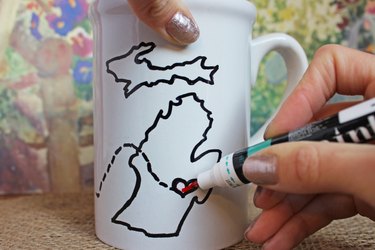
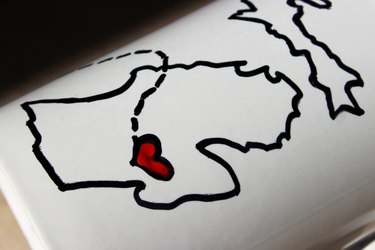
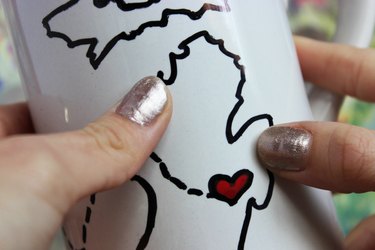
      There are a variety of colors of paint available, including the primary colors (red, yellow and blue) for mixing secondary colors such as green and orange. Ceramic paint pens are also available. Combining a fine pen outline in black around painted shapes creates impact and visual interest.

    Selecting Dishes

    • Selecting just the right glazed commercial dishes to use as a base for your painted decorations is part of the design process. Generally, plain white dishes work best, but you may want to experiment with pastel-colored dishware or painting around existing designs.

      Inexpensive white dishes and cups are available in settings of 12 at department stores and outlet stores. Online specialty stores offer a wide selection of white ceramics specially designed for decorative painting. You should avoid surfaces with raised textures that will interfere with your paint and cause it to pool.

    Creating a Design

    • You may want to paint freehand on your dishes for an expressive, free-flowing design. If you want more control, you can trace a pattern from a book of patterns or from wallpaper or card stock. Tracing with a black grease pencil allows for easy transfer to your dishes. You can trace the design, flip it over and then trace over the tracing so your design is not reversed. The next step is to place the design on dishes and use a hard pencil to trace over the grease pencil to transfer it to the ceramic surface.

    Painting a Design

    • Crafters who want to paint on plates and cups need to decide whether they want to use outlines to fill in with ceramic paints and pens, or whether they will just paint freehand. Paint can be removed any time prior to baking with a damp cloth so you shouldn't be afraid to experiment and practice with different painting techniques and styles.

      Ceramic painters must wash ceramic surfaces with water prior to painting, then wipe them with a rag dampened with rubbing alcohol to remove any oil-based reside from the painting surface. You should wear latex gloves to avoid transferring oil from your hands to the ceramics.

      For painting natural-looking leaves and petals on ceramics, consider trying the one-stroke painting technique for dynamic color combinations, which involves laying blobs (the size of a dime) of each paint color out on a plastic painters palette, then swiping one side of a pointed tipped paintbrush in one color, and the other side in another color. You will slowly presses the tip of the paintbrush at the beginning point of the design and move the brush as you press and drag it to the end point of your design. The colors will blend gently and create a nice gradient effect. The finished design will need to dry thoroughly for at least an hour.

    Baking Dishes

    • Hand-painted ceramics make lovely personalized table settings and guest gifts.
      Hand-painted ceramics make lovely personalized table settings and guest gifts.

      To set the paint on ceramics, they need to be heated in an oven. Painted ceramics always need to start out in a cold oven for gradual heating. You'll need to heat the oven to 350 degrees Fahrenheit, or to the temperature recommended in the paint manufacturer instructions, and when the stove reaches the desired temperature, hold it there for half an hour or for the length of time recommended by the paint manufacturer.

      The oven should cool thoroughly before you remove any painted ceramics. Opening the door before the dishes are completely cool may result in cracking. Once the oven is cool, you can remove the ceramics and wipe the designs gently with a cloth dampened with water and a little dish detergent. The dishes are now ready to be used.

Related Searches:

References

Resources

  • Photo Credit mugs- tea cups image by kastock from Fotolia.com dutch painted cup and saucer image by Ramona smiers from Fotolia.com

Comments

You May Also Like

  • How to Paint a Dish

    Dishes, such as platters and plates, often look drab and ordinary with their simple or color-free designs. If you wish to add...

  • Ceramic Cup & Handle Glazes

    Different glazes and firing techniques will greatly alter the outcome of a ceramic cup and handle. Learn about cup glazes with tips...

  • How to Install a Ceramic Soap Dish

    Whether you are remodeling your bathroom or just want to give your décor an elegant boost, ceramic accessories add style and grace....

  • How to Transfer a Design to Fabric

    You can use a variety of methods to transfer a design onto fabric. Choose one of the following when you create your...

  • How to Paint a Ceramic Plate

    Because ceramic plates come in a variety of colors, styles, patterns and designs, they are popular dinnerware choices for many people. Bring...

  • How to Paint on Glass Cups

    Learn how to paint on glass cups for a simple project you can complete in one afternoon. Use materials from an arts...

  • How to Paint on Mugs & Cups

    Decide whether you want to paint a ceramic or porcelain mug. Ceramic mugs use low-fired glazes that can fade or become distorted...

  • How to Make Ceramic Coffee Cup Handle

    Ceramic cups designed to hold hot beverages, such as coffee, need handles to keep coffee drinkers from burning their fingers. Making and...

  • How to Design Coffee Cups in Solidworks

    You can design coffee mugs for pleasure or even for business using Solidworks, a graphic design program. Solidworks uses 3D software to...

  • How to Read Automotive Paint Mixing Cups

    Paint cups are used primarily in the automotive painting industry to achieve the correct mixtures of paint prior to application. Paint is...

  • How to Remove Paint From Porcelain Tile

    Porcelain tile provides a durable floor covering and works well on walls and backsplashes. Most porcelain tiles have a glossy glaze that...

  • How to Print on Plastic Cups

    Printing on plastic cups is a great way to advertise a company or organization by displaying its logo. It can also be...

  • How to Paint Designs on Dinner Plates

    Painting designs on dinner plates will allow you to set your table with customized designer dishes without spending lots of money. You...

  • How to Hand-Paint Vines on Wood

    Painting decorative vines and leaves is a popular idea on canvas and art paper, but wood paintings are also quite commonplace. Although...

  • How to Paint Ceramic Lamps

    Painting a ceramic lamp is an inexpensive way to rejuvenate the decor of a room. Whether you want to update an old...

  • Arts & Crafts for a Dutch Colonial House

    Dutch Colonial architecture was part of the Colonial Revival movement of the early 20th century. Dutch Colonial homes were also known as...

  • How to Paint Cups With Acrylic Paint

    Cups or mugs are not only useful but make great gifts, keepsakes and souvenirs. That's why personalizing or customizing a ceramic cup...

  • Ceramic Tile Crafts

    Ceramic Tile Crafts. Whether you have some ceramic tiles leftover from a recent remodeling project or perhaps you enjoy this medium, there...

  • Ceramic Painting Tips

    Ceramic is a nonorganic, nonmetallic object created by heating and cooling. Ceramics, which often contain crystalline, are very much like clay pottery....

  • How to Paint Your Own Dinnerware

    Sometimes finding that perfect gift or the perfect gravy boat to match Grandmother's butter dish is just impossible. Fortunately you can customize...

Related Ads

Featured