Pole Beans Vs. Bush Beans

Beans are a fast-growing summer season vegetable, one of the world’s oldest cultivated plants. All beans grow best in soils that are neutral or slightly acidic. They require well-drained soils, but steady moisture is crucial, which makes heavier clay or silty loams better for beans. Beans should be mulched with grass clippings or straw to retain soil moisture and prevent weeds. Does this Spark an idea?

  1. Inoculants

    • As legumes--like peas, alfalfa and clover--bean plants can provide some of their own nutrition. Legumes “fix” nitrogen from the atmosphere, taking it in through their root nodules as part of a symbiotic relationship with the soil-dwelling Rhizobium bacteria that make it available. This is an automatic process in soils with adequate bacteria populations. Treat any type of bean seeds with powdered bacterial inoculants--using only the bacterium specifically required by beans--to start this beneficial relationship.

    Growth Habit

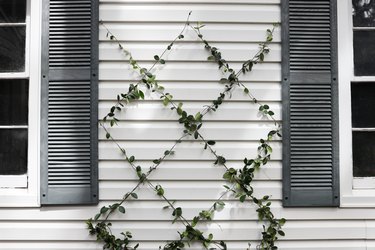
    • Beans have very different growth and development patterns. Pole beans, the traditional bean form, grow as vines that need a trellis or some other support. Bush beans are upright and self-supporting, growing only to about 2 feet tall. Half-runner beans are sturdy but short vines that benefit from some support. They typically don’t grow taller than 3 feet, and in a pinch, adjacent plants can support each other.

    Planting

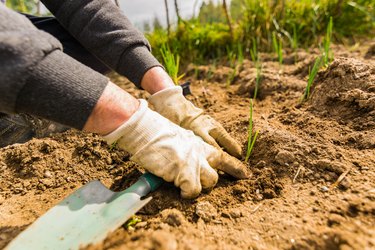
    • All beans need thoroughly warm soil, or seeds may rot instead of germinate. Plant seeds for most varieties about 1 inch deep and 3 to 4 inches apart, though some beans with smaller seeds are planted only a 1/2 inch deep. Bush beans can be planted in single, double or more rows, depending on your garden layout, with 2 to 3 feet between rows. Supports for pole beans should be in place when seeds are planted, either as rows along both sides of a trellis or in “hills” surrounding a teepee-style support made from bamboo poles or branches and twine.

    Maturity

    • A key difference between most runner and bush varieties is the timeframe for plant maturity. Pole beans will continue to grow, blossom and produce bean pods as long as the weather is warm and beans continue to be harvested. Bush beans often concentrate their bloom and bean production period into a shorter period of time. Half-runner beans and some bush bean varieties are halfway between the two, with a longer continuing harvest period if beans are regularly picked.

    Harvest

    • Pole beans produce for an extended period and are typically harvested throughout the summer and into fall. With a vertical growth habit, pole beans also represent a more efficient use of space. They do well in smaller gardens and containers. Bush beans are well suited to commercial growing, because concentrated production makes harvest more efficient. This feature makes bush beans convenient for canning and freezing, because harvest comes all at once. But then harvest is over. Gardeners overcome this limitation by planting more bush beans every two weeks, for a continuing crop.

Related Searches:

References

Comments

You May Also Like

  • Difference Between Bush & Pole Beans

    Beans are fast-growing seasonal vegetables that are among the oldest cultivated foods on Earth. After tomatoes, these are the second-most popular vegetable...

  • Pole Versus Bush Speckled Butter Beans

    A regular in most home gardens, speckled butter beans, also called lima beans, come in two varieties: pole and bush. Nutritious and...

  • How to Companion Plant Bush & Pole Beans

    Canned or frozen green beans purchased from a local grocery store just can't beat the taste of green beans fresh-picked from your...

  • How to Grow Pole Beans

    There are two main types of beans: pole beans and bush beans. Bush beans grow to about 18 inches tall and produce...

  • About Pole Beans

    Most commercial producers grow bush snap bean varieties due to their ease in harvesting. However, many home gardeners prefer the rich flavor...

  • Types of Bush Beans

    Beans are a member of the legume family, which also includes peas, alfalfa and peanuts. Beans are a common vegetable grown in...

  • What Are Bush Beans?

    As their name suggests, bush beans grow on a bushy plant. They differ from pole beans, which grow as more of a...

  • How to Make PVC Weave Poles

    Agility is a great sport for you and your dog. So I assume you've taken an agility class and are hooked--so you...

  • Do Bush Beans Need Support?

    Green beans come in two types: bush beans and pole beans. Bush beans form on compact, erect plants, while pole beans produce...

  • How to Snap Bush Beans

    Bush beans are a variety of green bean that grow in clusters on short, squat bushes. The legumes grow readily throughout North...

  • Green Bean Bush Plant

    The green bean bush plant differs from other types of bean plants in its size at maturity and its compact growth habit...

  • Temperature for the Growth of Green Bean Plants

    Green beans are tasty and nutritious, and a snap to grow in the vegetable garden. They come in two varieties--bush and pole...

  • How to Build a Kids Garden Bean Teepee

    A spring tradition for my kids is to plant their summer 'clubhouse' An easy to build teepee that quick growing vines cover...

  • How to Build a Pole Bean Tepee

    Green beans are either bush or pole type, and both include dozens of cultivars. Bush bean plants typically only grow to about...

  • How to Plant Pole Beans

    Just like in the classic fairytale, Jack and the Beanstalk, pole beans are easy to grow. While they won’t magically grow to...

  • What Is the Difference Between Lima Beans & Butter Beans?

    Both the lima and butter bean belong to the genus and species Phaseolus lunatus, but differences exist between the two. Butter beans,...

  • Description of Bush Bean Flowers & Seeds

    Bean plants produce small pink and white flowers that are classified as irregular, because their parts are not completely symmetrical when viewed...

  • How to Stake Half-White Runner Beans

    Beans grow throughout the country in summertime gardens, in both bush and pole varieties. All beans require long growing seasons with warmth,...

Related Ads

Featured