iquacu/iStock/Getty Images
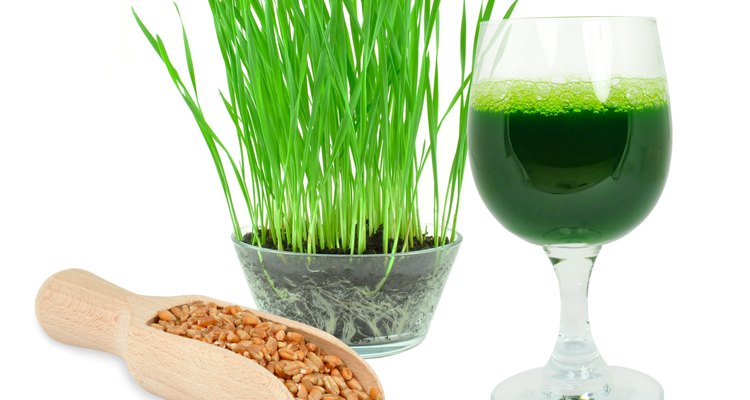
Juicing fruits and vegetables is becoming more popular than ever. It offers many health benefits and advantages. Unfortunately, there are also disadvantages of juicing. If you enjoy fresh juices only on occasion, you may want to avoid the expense, inconvenience and messiness of owning a juicer. But if you’re thinking about juicing as a diet or lifestyle choice, consider the disadvantages before you commit.
Expense
Juicing is expensive when compared to eating whole fruits and vegetables. It requires special equipment, including a juice extractor, quality knives and storage containers. Like other kitchen appliances, juice extractors vary in price according to their features, durability and other characteristics. High-quality juicers can cost hundreds or even thousands of dollars. Extracting juice also uses more produce than preparing meals. Because you need greater quantities of food to make juice, you’ll spend more money on produce. In addition to quantity, there's also the quality of food to consider. Serious proponents of juicing tend to advocate buying organic fruits and vegetables -- a costlier option than other produce. Lastly, if you don’t carry juice when traveling or commuting, you’ll have to buy it from a juice bar, which can become an expensive habit.
Disinfection and Cleanup
Because fresh juices are typically consumed raw, without pasteurization, all juicing equipment must be cleaned thoroughly after each use. This includes not only the machine but also cutting boards, storage containers, knives and other utensils. Juice extractors have a number of different parts, each of which need careful cleaning and disinfection. Some parts are dishwasher-safe, while others require washing by hand. Spills, residue and stains from natural pigments such as beet juice can make the cleanup process more laborious.
Microbes
Raw fruits and vegetables contain microbes, some of which may cause food poisoning, gastroenteritis or even death. E. coli, salmonella and other deadly microorganisms can be lurking in produce and contaminate fresh juices. Without heat sterilization, there is nothing to protect you from getting sick. For this reason, people with weakened immune systems or those on low microbial diets (such as cancer patients) should not drink raw juices.
Loss of Fiber
Juicing sacrifices fiber. When you juice fruits and vegetables, nutrients and water are extracted from the fibrous pulp, which is usually discarded. Unless you add this remaining pulp to soups, salads or some other food, you are throwing away fiber -- a very important part of your diet. Without fiber, you may experience digestive health problems. Fiber also helps you feel full and satisfied. You’ll need a lot of juice to satisfy your hunger if you aren’t getting enough fiber.
Lack of Convenience
Juicing can be inconvenient, time-consuming and cumbersome. If you don’t have time for grocery shopping, perishable food storage and meal preparation, you’ll need to buy juices that are already made. When you have a busy schedule or a family to feed, juicing can be a difficult lifestyle choice to maintain. Buying bulky quantities of produce can be a chore in itself. After the rinsing, chopping, extracting, storage and cleaning, you’ll find that juicing takes much more effort than just eating a carrot or an apple.
Related Articles

How Long Can You Preserve Fresh ...
Where to Buy Pomegranate Juice

Best Fruit Juices to Cleanse the Colon
How to Live on a Diet With No Solid Food

How Long Can You Refrigerate Fresh ...
How to Keep Cucumber Juice Fresh

Carrot Juice Diet

Fresh Homemade Orange Juice Will Stay ...

What Is the Freezing Point of Fruit ...

The Difference Between Fruit Juice & ...
How to Tell If Fresh Tomato Juice Is ...

Does Lemon Juice Go Bad If Not ...
How Long Does Tomato Juice Last After ...

What Can I Substitute for the Flavor of ...

Is Wheat Grass an Alkalizing Food?
How to Make Juices From Leafy ...

How to Wash Fresh Fruit With Peroxide

The Pros & Cons of Putting Apple Juice ...

How to Juice a Daikon Radish

Baking With Juice Concentrates
References
Writer Bio
Shannon Leigh O'Neil, a New York City-based arts and culture writer, has been writing professionally since 2008. Her articles have appeared in "GO Magazine," "The New York Blade" and "HX Magazine," as well as online media. O'Neil holds a Master of Arts in modern art history from the City College of New York, where she also studied French and minored in classical languages.
Photo Credits
iquacu/iStock/Getty Images