
Benefit of Heavier Basketball Shoes
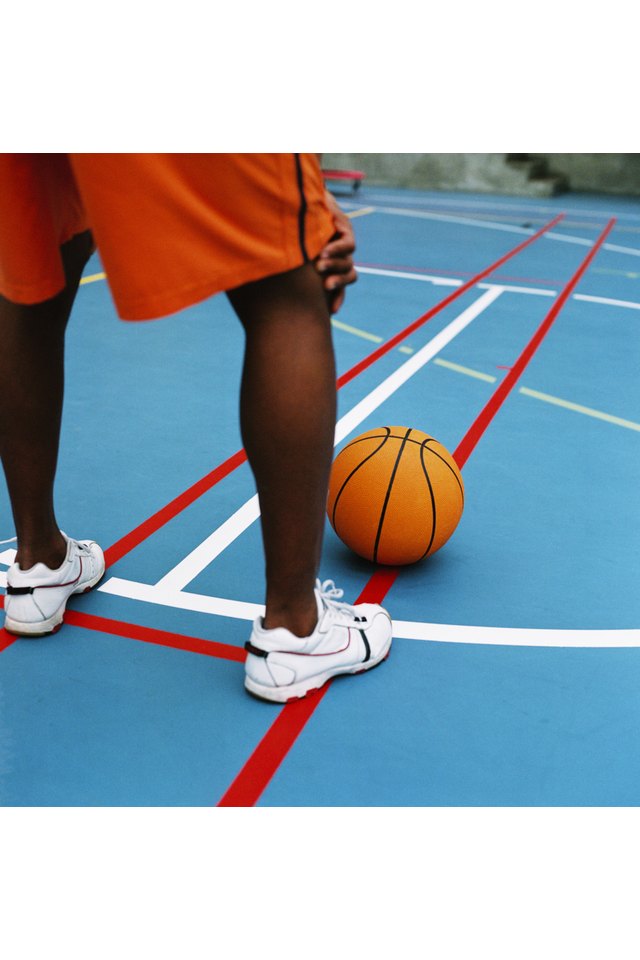
The weight of basketball shoes tends to receive a great deal of focus. Lighter shoes generally translate to increased vertical leap, greater speed and improved physical stamina. Nonetheless, there are situations where a heavier basketball shoe might be preferable. You should follow the advice of your coach and doctor regarding what type of shoes you should wear.
Ankle Support
Tall, thin-boned basketball players may be prone to ankle injuries. The running, violent stopping and starting and sudden changes of direction can result in injuries that range from a mildly turned ankle to a serious strain -- or, in a worst case scenario, even a season-ending injury requiring surgery and extensive rehabilitation. The relatively minor speed benefit of a lighter pair of shoes may not be worth the risk of a significant ankle injury. Heavier basketball shoes can incorporate more extensive support and protection for your ankle.
Durability
Basketball shoes were never intended to last a lifetime, but heavier ones made from thicker, sturdier materials will often outlast super-light models. Spending hours practicing and playing in ultralight shoes is costly and unnecessary. A good compromise can be to save your most lightweight basketball shoes for actual games and use a pair of heavier, sturdier shoes for practices.
Conditioning
Wearing heavier shoes will force the muscles and respiratory system to work harder, leading to improved levels of physical and aerobic fitness. Warming up in heavier shoes and then switching to lighter ones at game time will make you feel as though you’ve grown 2 inches and added 4 inches to your vertical leap. It is the same principle as that behind baseball players swinging a bat with a weighted doughnut on it in the on-deck circle.
Cushioning
Heavier shoes tend to incorporate more built-in cushioning. Aside from the ankle support mentioned earlier, this extra cushioning can bring welcome relief to the 26 delicate bones in each foot. This is almost one-fourth of the total number of bones in the body. Because these bones bear the weight of the entire body, protecting them is critical. The force on these bones from running, and particularly jumping, is magnified many times. Heavier basketball shoes can lessen this impact, potentially reducing your risk for many different types of injuries and strains.
References
- Kid's Health: Safety Tips: Basketball
- Dick's Sporting Goods: How To Buy Basketball Shoes
- Nigg BM, Baltich J, Hoerzer S, Enders H. Running shoes and running injuries: Mythbusting and a proposal for two new paradigms: 'Preferred movement path' and 'comfort filter'. Br J Sports Med. 2015;49(20):1290-4. doi:10.1136/bjsports-2015-095054
Writer Bio
Joseph McAllister has worked as a writer since 2003. He has more than seven years of experience in training and coaching martial arts. McAllister writes for various websites on a variety of topics including martial arts, competition and fitness. He graduated from Liberty University on a full ride National Merit Scholarship with a Bachelor of Science in print journalism.