
Why Is Silica Gel Insoluble in Water?

When it comes to the dissolution of a compound, the rule of like dissolving like usually applies. That means that an ionic liquid would dissolve an ionic solid, and an organic liquid would dissolve an organic molecule. Compounds that have properties similar to ionic solids or organic solids would follow the same formula. However, silica gel is unique in the fact that it is not a gel, nor will it dissolve in most liquids. In fact, it actually absorbs water and other liquids instead of dissolving in them.

  1. Properties of Silica Gel

    • Silica gel is actually a glass-like structure usually found in a bead-like form with the chemical formula of SiO₂. Because of its ability to absorb water and a variety of other liquids, it is widely used in industry and as a desiccant. Its ability to absorb a large amount of liquid is due to its highly porous structure and large internal surface area. And although silicon is in the same chemical group as carbon on the periodic chart and usually reacts in a similar fashion, silica gel absorbs ionic liquids and organic liquids.

    Common Uses

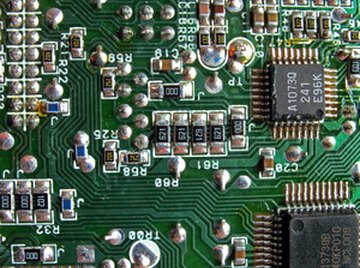
    • Silica gel is often used in packing electronic components to remove all moisture.
      Silica gel is often used in packing electronic components to remove all moisture.

      Most people come into contact with silica gel when they find small packets of it packaged in with a product they've purchased, especially when it comes to electronics. The purpose of those packets is to absorb any water vapor found in the package---especially important when it comes to electronics. Silica gel's ability to absorb water vapor is almost legendary---it is able to absorb 40 percent of its own weight in water vapor.

    Other properties

    • Even though silica gel can absorb a large amount of liquid, its outside surface can remain dry to the touch. Since it is lighter in weight than other absorbant materials, it is preferred for shipping. It also has a long shelf life and does not require any special handling precautions.

    Reusability

    • Silica gel can also be reused---it simply needs to be reheated to remove the moisture it has already absorbed, making it very cost effective. In addition, silica gel does not react with most other materials, which allows for safe storage, and with the exception of very strong alkalis or hydrofluoric acid, nothing reacts with it

    History
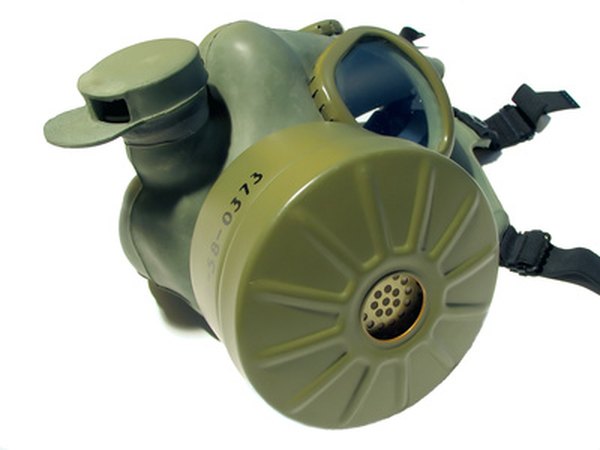
    • Silica gel was first used in gas masks in World War I.
      Silica gel was first used in gas masks in World War I.

      Silica gel was once a scientific curiosity. First discovered in the 1600s, it became an important factor in World War I when used in gas mask canisters to filter dangerous fumes. A chemistry professor from John Hopkins finally patented it in 1919 and along with Grace Davison, a Maryland-based chemical company, began to develop it. First sold to the public in 1923, sales did not catch on until World War II when it was found helpful in keeping medicines, equipment and supplies dry.

Related Searches:

References

Resources

  • Photo Credit electronics image by Stanisa Martinovic from Fotolia.com gas mask image by Vladislav Gajic from Fotolia.com

Comments

  • furgurl Sep 25, 2010
    foods like cocoa , red meat , dairy products, processed meants and rapid assimilation sugars, promote the production of uric acid which is bad for the joints... yeah ??? howdo they know that ????
  • furgurl Sep 25, 2010
    silicon is vital for the synthesis of collagen fibres present in cartilage.. Even a minor silicon deficiency will result in a decrease in collagen production andit is collagen that acts as the link, holding cartilage molecules together ..

You May Also Like

  • Harmful Effects of Silica Gel

    Harmful Effects of Silica Gel. There are numerous harmful effects of silica gel, especially the form that contains cobalt chloride. Silica gel...

  • Uses for Silica Gel Packs

    You find those little white packets in all kinds of purchased items these days. They're packets of silica gel used to absorb...

  • How to Make Sodium Silicate From Silica

    Making sodium silicate from silica is a great science project. Take the little silica packets that come with new shoes and other...

  • Why Ionic Substances Dissolve in Water

    Water is capable of dissolving an astounding number of substances. The atoms that form a water molecule are so charged that they...

  • Silica Gel Types

    Silica Gel Types. Silica gel is a porous material used as a desiccant. It absorbs water vapor in the air and acts...

  • Why Are Lipids Insoluble in Water?

    Lipids are a broad group of chemicals that include steroids, fats, and waxes characterized by their insolubility in water. This insolubility is...

  • How to Activate Silica Gel

    Silica gel is a commonly used desiccant to control the humidity and moisture level in many commercial products that contain metal. It...

  • Types of Solids That Dissolve in Water

    If clay breaks up into fine particles and gives the water a muddy appearance, the clay particles do not form a solution,...

  • What Mineral Makes a Dehumidifier?

    Several dehydrated minerals can be used as dehumidifiers. Manufacturers provide chemical dehumidifiers for equipment, crawl spaces and basements. These minerals have ...

  • How to Calculate Silicon From Silica

    Silicon makes up 25.7 percent of the Earth's crust, by weight, and is exceeded in abundance only by oxygen. Silicon occurs principally...

  • Properties of Silica Gel

    Silica gel is a synthetic substance made of microporous granules that have a very wide surface area and can absorb a large...

  • Silica Gel for Arthritis

    Silica gel products are being used to ease the pain of arthritis. There is some question as to whether or not they...

  • How to Prepare Insoluble Salts

    Soluble salts dissolve readily in water. Insoluble salts do not dissolve in water, or only partially dissolve (referred to as being "slightly...

  • Why Is Gel Used During Ultrasound Scan?

    Before conducting an ultrasound scan your doctor will apply a clear, water-based gel to your skin. This helps provide accurate images for...

  • Types of Desiccant

    Types of Desiccant. Desiccants are compounds that maintain a state of dryness in an enclosed container. The desiccant absorbs the water in...

  • Dangers of Swallowing Silica Gel

    Dangers of Swallowing Silica Gel. Silica gel, according to ASPCA.org, is used to absorb moisture in many products and is commonly packaged...

Related Ads

Featured