Sedum Plant Pests

Sedum Plant Pests thumbnail
Sedum is a hardy plant, but pests can cause damage.

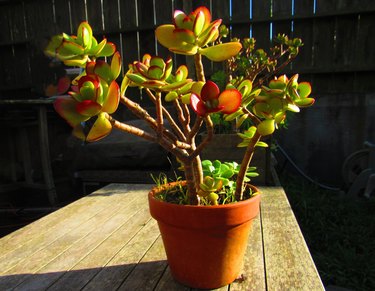
The hardy sedum, or stonecrop flower, requires well-drained soil in order to prevent fungal problems caused by pests in the soil. Sedum is generally a carefree plant that comes back bigger and better each year, but pests can cause a myriad of problems. If you determine that pests are present in your garden, get rid of them before they ruin your sedum plants. Does this Spark an idea?

Other People Are Reading

  1. Aphids

    • Beginning in early spring, aphids will feed on the stems and leaves of your sedum, sucking out all the fluids from the plant. This can drain and kill a sedum plant quickly. Aphids aren't particular and will also destroy many other plants. Insecticides or natural pest control methods may be employed to remove aphids from your tender sedum plants.

    Fungus Gnats

    • Fungus gnats infest the soil around the roots of sedum plants. The larvae feed on the roots, causing stunted growth. As the larvae hatch and grow, fungus gnats spread plant pathogens and disease between plants. Because they are weak-flying insects, fungus gnats rest on the leaves and stems of plants; this spreads the fungus and pathogens. You can purchase anti-fungal stakes to put in the ground around your plants to fight infestations. Topical insecticides and natural insect repellents will also help.

    Slugs and Snails

    • Slugs and snails are active at night and will leave large, ragged holes in leaves and stems, as well as their slime trails. A plate of beer set in the garden area will help control your slug and snail population. They are attracted to the yeast in beer, but when they slide into the plate they drown.

    Ants

    • Ants of all sizes will flock to your sedum plants in the spring. They may nibble at the edges of tender new leaves, or create nests in the soil around the roots. These pesky pests can be cleared out by using ant repellent granules, or an insecticide spray.

    Ladybeetle

    • While your first impulse may be to get rid of these beetles as quickly as possible, the ladybeetle is actually a beneficial insect that will hang around your sedum. The ladybeetle is a predatory insect that will attack aphids and other pests, including mites, moths and insect eggs. From late spring through early fall you will find these helpful insects around your sedum; they will not harm your plant and will help prevent damage from aphids.

Related Searches:

References

  • Photo Credit sedum image by Sergey Goruppa from Fotolia.com

Comments

You May Also Like

  • What Is Eating the Sedum Plants?

    Sedum is one of the most disease resistant, easy to grow plants on the market today. Boasting succulent-like leaves and large flowers,...

  • Is Sedum Invasive?

    Sedum, also known as stonecrop, is a hardy plant tolerant of arid climate, alkaline soil and low water. The sedum genus contains...

  • Pests on Sedum

    Sedums are herbaceous perennials that grow up to two feet tall. They have fleshy blue-green leaves and pink flowers. They are susceptible...

  • Facts About Sedum

    The sedum family of plants consists of 400 different species. Some are upright and showy plants, while others have tiny leaf clusters...

  • Autumn Joy Sedum Bugs

    Reduce the number of slugs by removing debris in your garden. Baits and traps eliminate slugs, as well. Watering early in the...

  • How to Grow Sedum Spectabile

    Succulent leaves, which are rounded and thick, add texture, and bright pink, late-summer flowers make this perennial (meaning it grows back year...

  • How to Grow Red Creeping Sedum

    Sedum spurium, also known as red creeping sedum or 'Fulda Glow,' is a drought-tolerant ground cover plant with succulent green leaves and...

  • How to Get Rid of Mites

    For people with allergies, mites are more than just a minor irritant--they are an underlying cause of sickness. Whether you or your...

  • How to Get Rid of Sebum

    Sebum is oil produced by the sebaceous glands. The glands occur almost everywhere on the body except the palms and the soles...

  • How to Get Rid of Ear Mites in Dogs

    Ear mites are extremely irritating to dogs, not to mention contagious! Learn how to identify, treat and prevent ear mites in dogs.

  • Autumn Joy Sedum Pest Disease

    Aphids are tiny pear-shaped insects with long antennae and legs, and may be green, red, yellow, brown or black. They feed on...

  • Winter Care of a Sedum

    Sedum is a very hardy plant that prospers through heat, drought and freezing winter weather. The few insects that are attracted to...

  • The Garden Railway Plants

    The Garden Railway Plants. A passion for model trains and a passion for gardening find common ground in the garden railway. Create...

  • How to Control Aphids in the Greenhouse

    Aphids are small insects that eat the leaves, stems, and shoots of many plants. They have long, thin mouthpieces that they use...

Related Ads

Featured