Spencer Platt/Getty Images News/Getty Images
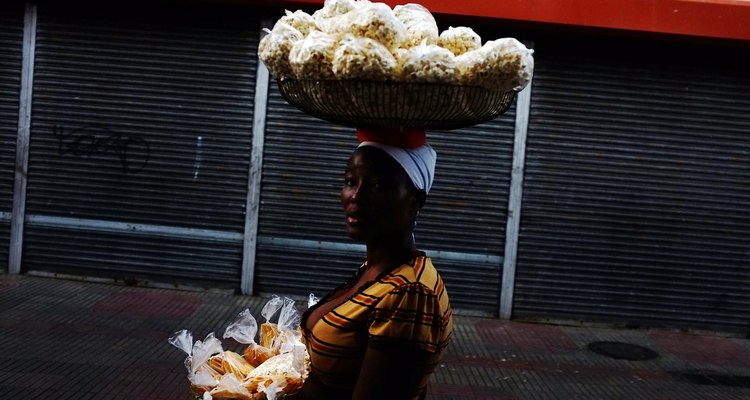
Christopher Columbus discovered Santo Domingo, the capital of the Dominican Republic, on his way to America in 1492. The island nation emerged as a thriving link between Europe and America's mercantile trade by the 1600s, but it also became an integral part of the notorious slave trade that brought captured African men and women to America. A unique society with solid traditions emerged over time. Today's culture is composed of a rich mesh of races and traditions that harkens back hundreds of years. Of these traditions, the women of this island nation faithfully uphold the following.
Gender Traditions

Jupiterimages/Photos.com/Getty Images
From the moment of birth, boys and girls are treated differently in the Dominican Republic. Boys are permitted to run around nude as youngsters while girls must be groomed or both she and her family will be subject to social reprimands. Dominican girls must be chaperoned at all times and tradition demands that a girl exhibits quiet, helpful, considerate manners to increase her chances of a good future marriage. Toward that end, remaining a virgin until marriage is paramount to the society's code of female conduct. In the machismo society of the Dominican Republic, being a concubine and having children outside marriage is widely accepted, and tradition requires a man to give his girlfriend the house in which they reside if the relationship ends. As in most Latin societies, Dominican women always defer to men, though a female can assume the traditional head of family role if she finds herself alone.
Music and Literary Traditions
Mario Tama/Getty Images News/Getty Images
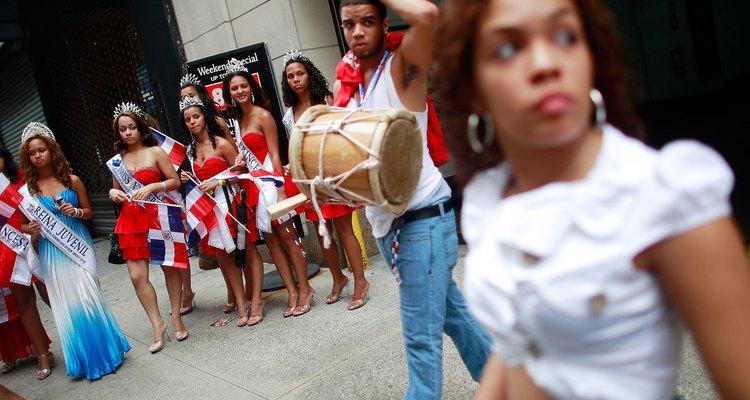
Family music making is an integral part of Dominican tradition. Moms encourage kids to play the island's three most popular instruments: a small tambora (drum); an accordion-like instrument known as a melodeon; and a güira, a type of percussion instrument originating with the island's earliest indigenous peoples, the Tainos. Women carry on dance traditions as well, performing the most popular dance, the merengue, at parties, social events and especially during the spring carnival. When it comes to literature, Dominican women are the guardians of a rich heritage of oral history. It has always fallen to island women to pass on folktales, legends, family histories and other cultural tales. Nineteenth-century Spanish colonizers introduced romantic European literature to the Dominican Republic, but since few women could read, these classic books were read aloud, becoming part of the society's oral tradition.
Crafting Traditions

Karol Kozlowski/iStock/Getty Images
Dominican amber is considered one of the most beautiful mined stones in the Caribbean, so it was no surprise that jewelry crafting using amber gems splashed with red, green, orange, blue and purple highlights became a traditional craft for Dominican women. Another stone indigenous to the island is larimar, a lush stone that comes in deep blue and green colors. Visit Dominican market stalls to see these unique jewelry crafts on display, and if you're there around the time carnival approaches, you can try on the striking dresses and traditional headpieces worn by women of the island.
New Year's Traditions
Dominican women eagerly await the annual opportunity to don traditional costumes that mesh African and European styles so they can dance to the music of native rhythms during the spring carnival parade. That stated, no celebration compares to that of New Year's Eve. Before the woman of the house serves her family a second Christmas dinner, she observes the tradition of cleaning the house from top to bottom so those living under her roof will have a fortuitous year. Women clothe themselves and family members in traditional colors for good luck on New Year's: green to find money, red to symbolize a bright future, yellow to improve one's work life and white to promote health. Outfits picked out, tradition requires that women throw out their old brooms before midnight and buy new ones that must be kept outside until New Year's Day. Dominican women are also responsible for a tradition that requires each family member to eat 12 grapes, one each time the clock strikes a new hour, so the year ahead will be sweet.
Wedding Traditions
Spencer Platt/Getty Images News/Getty Images
Every Dominican bride becomes the recipient of 13 coins, ceremoniously passed to her on a silver tray. A child starts the hand-off, transferring the tray to the priest, the groom and then the bride to symbolize their commitment to care for each other and share equally. Another important wedding tradition honors the groom's mother. Her son always escorts her into the church before anyone else can enter. Aside from the ceremony, the society's gifting tradition prohibits women from taking wedding gifts to the ceremony or reception; presents must go to the bride's home before the wedding day.
Death Traditions
Spencer Platt/Getty Images News/Getty Images
Dominican women are expected to follow a precise tradition of mourning behavior when they lose a loved one. Nine days of mourning is expected of every woman: three days of crying and reminiscing to properly grieve for the departed, three days of silence during which time she is expected to think about the departed and exhibit reverence for his passing and finally, three days of releasing the loved one into God's hands so acceptance and separation can be complete.
Related Articles

Quinceanera Rituals

Differences in Dating After a Death of ...

Quinceanera Requirements

Black Hairstyles of the 1800s

The Proper Way to Wear a Wedding ...
Hispanic Clothing History

What Is the Symbolic Meaning of a Black ...

Why Did Women Cut Their Hair to Become ...

What Is the Meaning of Pearls?

Bridal Traditions: A Penny in Her Shoe

Why Do Flower Girls Drop Petals?

What Are the Advantages of Older Men ...

How Do I Help My Marriage if My Wife ...

What Is the Meaning of a Ring in the ...

Should I Avoid Alfalfa Sprouts During ...
What Are the Family Ties for the Greek ...
Mexican Quinceanera Traditions

List of the Types of Semi-Precious ...

What Is the Symbolism of Jumping the ...

Hat Trends of the Seventies
References
Writer Bio
Based in Chicago, Gail Cohen has been a professional writer for more than 30 years. She has authored and co-authored 14 books and penned hundreds of articles in consumer and trade publications, including the Illinois-based "Daily Herald" newspaper. Her newest book, "The Christmas Quilt," was published in December 2011.
Photo Credits
Spencer Platt/Getty Images News/Getty Images