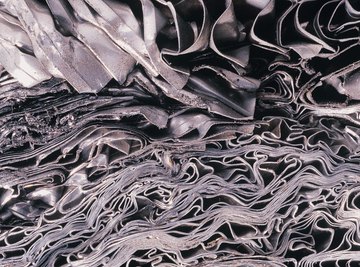

Scrap metal is all around us in various places from garages to junk yards. If you look hard enough, you can find enough scrap metal to either use for projects or to sell to a scrap metal dealer. As demand increases for metal, prices rise steadily as metal shops around the county turn to scrap metal suppliers for their raw material supply.
Garages and Sheds
If you look in your garage or the garages of friends and family, you can locate scrap metal in places you would not traditionally look. Many tools and appliances contain aluminum, steel, brass and even copper that can be used as scrap. Not only will you find many items containing scrap metal, but you also may find pieces of metal lying around that you can pilfer. If you ask your neighbors to look in their garages and sheds, they may be able to find more metal than you would expect.
Machine Shops
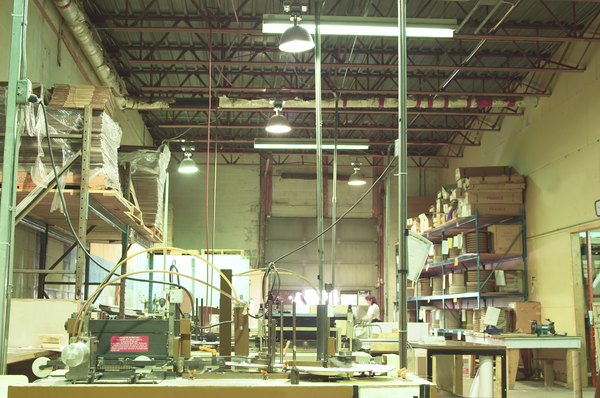
When metal is machined, quite a bit of material is left over. Although bigger shops sell their scrap to dealers, many of the smaller shops just throw it out. Ask shop proprietors what they do with the scrap; you may be able to take some from them even if they do sell the more valuable scrap metals such as steel and copper.
You can also pay for your scrap metal depending on the deal that they get with the scrap metal dealer. You can make a deal where the shop sells the chips and smaller pieces to scrap dealers and the larger, usable blocks and chunks of metal to you. Scrap dealers do not pay very much, so if your price offer is competitive, there would be no reason for the machine shop to turn down your offer.
Junkyards
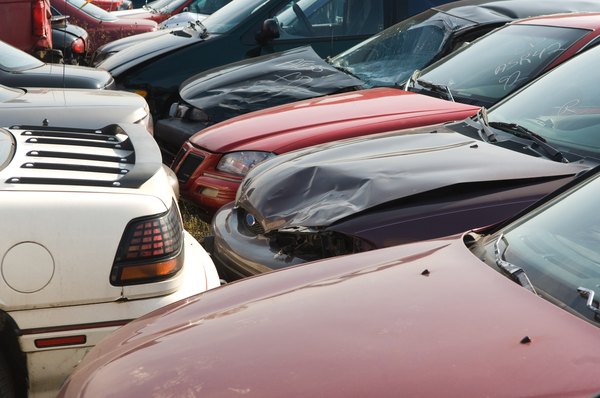
Look in your local junkyards for any scrap metal lying around. They may sell it to you or give it to you, depending on their policies or whether they feel the metal has any value. There are also junkyard-like lots that deal in scrap auto parts that contain metal. Sometimes you pay a flat fee and take whatever you can lift or carry in a single trip. This may allow you to concentrate on lifting and hauling as much scrap metal as possible.
Scrap Metal Companies
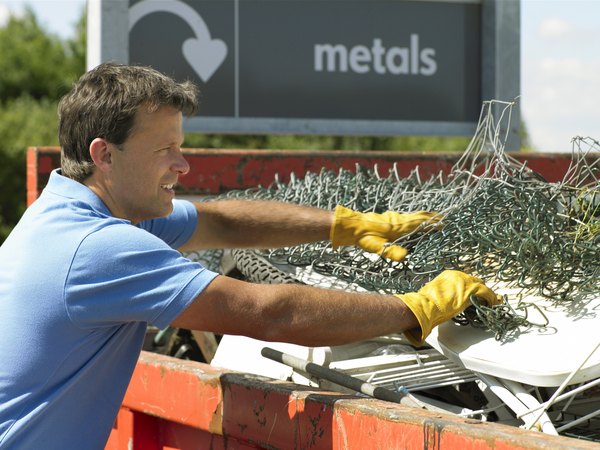
Scrap metal facilities exist that buy local scrap metal to resell on the market. At these warehouses, you can find metal in all shapes and sizes. They also melt the metal and reform it into standard sizes for use in machine shops and other companies who need metal for production. They will have the best selection but may charge a premium because of the costs involved with scrap metal storage.
References
About the Author
Christian Mullen is a graduate from the University of Central Florida with a bachelor's degree in finance. He has written content articles online since 2009, specializing in financial topics. A professional musician, Mullen also has expert knowledge of the music industry and all of its facets.
Photo Credits
Goodshoot/Goodshoot/Getty Images