Freestyle Vs. BMX Bikes

Freestyle Vs. BMX Bikes thumbnail
Freestyle bikes are typically used on the street or at skate and bike parks.

BMX--or bicycle motocross--and freestyle bicycles emerged from a similar history and progressed through many incarnations to become what they are today. Many factors make up the differences between these two styles of riding, but traditionally the similarities of the two sports have aided in the major design advances of the last decade. These two sports traditionally take turns in consumer popularity, and this consistent polarization leads most bicycle companies to manufacture both BMX bikes and freestyle bikes.

  1. History

    • This is a typical BMX bike design.
      This is a typical BMX bike design.

      According to 23mag.com, BMX bikes, while traditionally an American sport, grew out of motorcycle motocross racing in the Netherlands in the 1950s and freestyle bikes grew out of BMX racing in America in the 1970s. BMX began with children emulating the motorcycle motocross racers beginning to achieve popularity as a sport the world over. Freestyle, as it is known today, grew out of BMX racing as children and young adults grew bored with track racing and moved off the confines of the dirt and out to the street.

    Frame Differences

    • This BMX bike has a box-style aluminum frame.
      This BMX bike has a box-style aluminum frame.

      The major difference in these sports is frame material and geometry. BMX bikes began with heavy steel frames and transitioned through lightweight steel alloys to aluminum and even exotic titanium frames to save weight and create a faster race machine. Freestyle bikes also began with heavy steel frames, but due to the rigors of freestyle riding they have transitioned only to lightweight steel alloys as acceptable frame materials. BMX bikes typically have a slacker head-tube angle, creating a longer, more stable wheelbase over that of a freestyle bike.

    Accessory Differences

    • These freestyle rear wheels have pegs installed on the axles.
      These freestyle rear wheels have pegs installed on the axles.

      The intended use of a BMX bike limits greatly the number of accessories a rider is willing to adopt as added parts mean added weight and slower race times, whereas freestyle riders willingly accept options that will increase their ride capabilities. Freestyle riders almost universally accept gyros--rear brake detanglers--and axle pegs--axle extensions allowing a rider to stand on and perform tricks--where BMX riders typically are interested only in exotic lightweight components as BMX racing prohibits the use of pegs or other accessories that may seriously injure a rider in a race accident.

    Safety Differences

    • This rider should wear a helmet to avoid possible brain injury or death.
      This rider should wear a helmet to avoid possible brain injury or death.

      Safety requirements for both styles of riding, while similar, experience major rifts in acceptance throughout the community of riders. BMX safety rules are set each year by the National Bicycle League and must be followed by anyone attempting to participate in a BMX race. Freestyle riding is, outside of the X-Games, a largely unorganized sport performed in various locations with few safety concerns beyond using a helmet and pads, and even these safety articles are usually shunned by pros performing for freestyle video recordings.

    Similar Trends

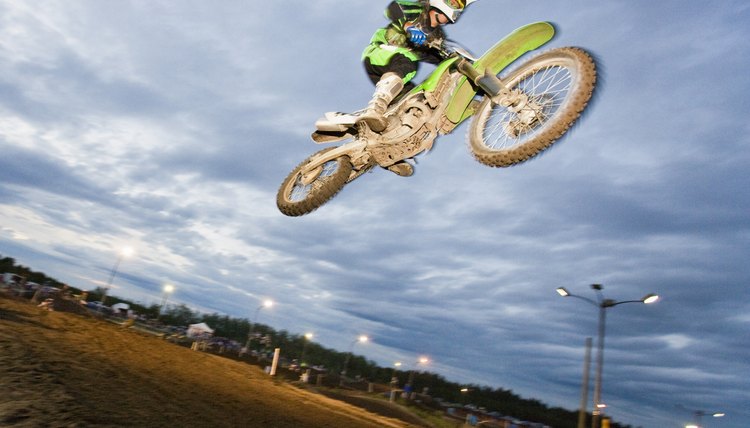
    • This freestyle rider is catching amazing air!
      This freestyle rider is catching amazing air!

      BMX rose to the height of national popularity in the mid 1970s in America. At this time, freestyle emerged and began growing until it surpassed BMX in the mid 1980s, experiencing its largest boom in the 1990s with riders like Dave Mirra influencing young children to aspire to freestyle. As freestyle riding reached its pinnacle in the mid 1990s, BMX experienced a slight forward movement while at the same time racing tracks began to shut down due to the slump experienced in the 1980s. Since then BMX and freestyle have typically alternated in popularity, and both camps continue to aid in the design advancement of the sport as a whole.

Related Searches:

References

  • Photo Credit bmx image by claude wolf from Fotolia.com bmx image by Claudio Calcagno from Fotolia.com bmx détail image by Maud Talêque from Fotolia.com bmx on the street image by Alexey Klementiev from Fotolia.com bmx 13 image by Marc Rigaud from Fotolia.com

Comments

You May Also Like

  • Games for Freestyle Bikes

    Games for Freestyle Bikes. Though motorcycle games have been prevalent in the video game industry since the early Atari, with popular motocross...

  • How to Ride Freestyle BMX

    Freestyle BMX cycling came out of the BMX racing craze that got its start in the 1970s. Freestyle BMX means doing whatever...

  • BMX Freestyle Bike Games

    BMX Freestyle Bike Games. Bicycle motorcross (BMX) riders perform stunts and tricks during freestyle activities that leave viewers in awe. While intrigued...

  • How to Make a Freestyle BMX Practice Bike

    BMX riding is one of the most rewarding sports there is. If you want to excel in this extreme sport, you are...

  • Aluminum Vs. Chromoly BMX Bike Frames

    BMX is a misnomer often used to define any 20-inch wheel bicycle. BMX actually stands for bicycle motocross, a recent addition to...

  • Types of BMX Bikes

    Types of BMX Bikes. Bicycle motocross (BMX) began in the 1970s. The first official BMX bicycle company was GT bicycles, which was...

  • The History of Bike Freestyle & Dirt Jumping

    BMX freestyle and dirt jumping are popular forms of a sport in which participants perform aerial and flat land maneuvers. The bikes...

  • Racing BMX Bicycles

    BMX racing took a giant step when it successfully debuted in the 2008 Beijing Olympic Games. This introduced a number of new...

  • How to Choose the Correct Freestyle Bike

    The experts at Dick's Sporting Goods explain that a freestyle bike is designed for doing a variety of BMX tricks on flat...

  • How to Train for Freestyle BMX

    Extreme sports have caught the eyes and minds of our nation by storm. One of these sports happens to be Freestyle BMX....

  • BMX Bike Freestyle Tricks List

    BMX Bike Freestyle Tricks List. The most common and well-known BMX freestyle tricks occur in BMX street riding. Whether back flips or...

  • Facts About BMX Bikes

    Comments. You May Also Like. Facts About Dirt Bikes. Dirt bikes are lightweight, off-road motorcycles built with a rugged frame, special tires...

  • Easy BMX Street Tricks

    Easy BMX Street Tricks. The easiest BMX tricks for beginning riders are also the most important to learn. These tricks will help...

  • Full Face Helmets Vs. Bowl Helmets in BMX

    Wearing a helmet is a must when riding any type of bike, but especially useful when doing freestyle BMX. There are few...

  • Freestyle BMX

    Freestyle BMX.BMX biking combines spins, tricks and jumps all on a bike. BMX bikers must be willing to put their bodies in...

  • About BMX Bike Helmets

    Like all sports, safety is essential for BMX (bicycle motocross). BMX encompasses both racing, typically on dirt tracks, as well as freestyle...

Related Ads

Featured