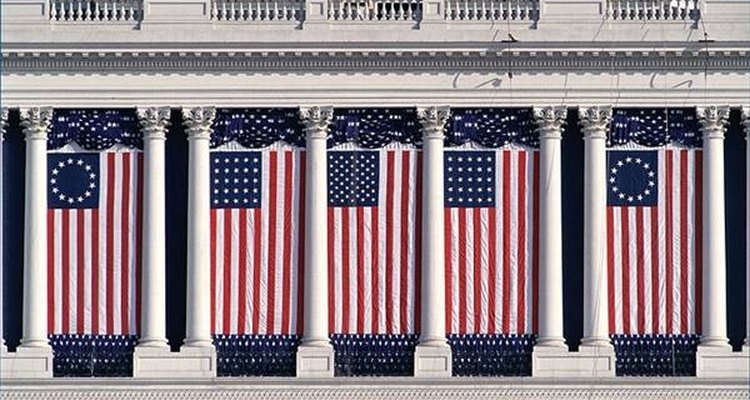
Flag Day is a holiday in the United States which celebrates the adoption of the American flag. The holiday is celebrated around the country with parades and memorial services for those who have died in defense of the United States. Like Memorial Day, Flag Day is considered a patriotic holiday, and is particularly celebrated by the Armed Forces and those veterans who have served abroad. Flag Day is celebrated on June 14 each year.
Adoption
The adoption of Flag Day was undertaken by President Woodrow Wilson, in 1916; it wasn't until 1949 that Congress enacted legislation supporting his decision.
Fun Fact
Flag Day is celebrated by veteran's organizations around the country. While Flag Day is meant to commemorate the adoption of the American Flag, it isn't actually a national holiday.
Size
The largest Flag Day celebration in the United States is held in Troy, New York. Thousands of revelers join together to honor veterans and those who have died in defense of the flag.
Expert Insight
According to some historians, Flag Day was originally meant to garner support and patriotism for the potential upcoming World War I. However, that is unsubstantiated.
Geography
Pennsylvania is the only state in the Union to officially observe Flag Day. Much of the celebration of Flag Day in Pennsylvania is centered around the former home of Betsy Ross, the flag's creator.
Related Articles

How to Get a Marriage License in Guam

African American Holidays & Traditions

Catholic Church Funeral Rules for ...
How Do You Address Wedding Invitations ...

How to Roast an Eye Round Roast at High ...

How to Get a Fast Divorce in Louisiana

How to Bake Boneless Skinless Tilapia

How to Get Married By the Justice of ...
How to Get Married by the Justice of ...
How to Get a Flag Flown Over the US ...
How to Obtain a Duplicate Birth ...
How to Apply for a Long-Form Birth ...
Instructions for a Fossil Adjust-O-Matic

What Is a First-Degree Relative?
How to Address an Envelope With ...

How Do I Find Out the Tax ID Number for ...

How to Cook Poussin in an Oven
How to Write a Biographical Obituary
How to Get a Certified Copy of Your ...
How to Prepare a Mother's Day Service
Resources
Writer Bio
Based in Kentucky, Katy Lindamood is a full-time freelance writer. She has been writing for magazines and professional websites since 2006 and has a background in retail management and home improvement. Lindamood holds a Bachelor of Science in business administration and human resources.