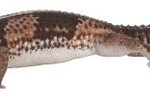
Leopard frogs live in areas across North America, most species instantly recognizable by their spotted skin, reminiscent of the leopard's fur pattern. Several species of leopard frogs exist, but most eat the same types of foods as babies, when they're mostly herbivores, that they do as adults, when they stick to meat for dinner.
Types of Leopard Frogs
Among the various species of leopard frogs in North America, most have the same diet when they're tadpoles and afterward, but only until they mature into adults. The species have only slight differences, set apart mostly by geographic range. All live near water most of the year, but they venture away to hunt in warm weather. The females are smaller than the males in all species. Northern leopard frogs inhabit Canada and the northernmost states, and they are typically green with brown spots. Males top out at about 3 1/2 inches. Plains leopard frogs, which live in areas such as South Dakota and parts of Colorado, are stockier and slightly larger, with a maximum length of 3 3/4 inches. They tend to be brown with dark brown spots. The Rio Grande species leans from gray to green in color, with males growing up to 4 1/4 inches. Southern leopard frogs, also called Florida leopard frogs, have a main distinguishing characteristic: they don't have the wide digital pads on their toes. Living mostly along the Eastern seaboard and as far west as Kentucky and Illinois, they are slender and usually green or brown with dark brown spots. The males can grow slightly larger than 3 inches long.
Tadpoles
Leopard frog tadpoles take 70 to 110 days, typically, before they turn into froglets ready to leave the water. Tadpoles are technically frog babies, hatching from eggs and swimming underwater until they develop fully functioning legs and lose their gills and tails. They survive mostly on algae, diatoms and tiny inorganic particles found floating in the water.
Immature Frogs
When leopard frogs emerge from the water, they are fully formed frogs but much smaller than adults. They typically grow for up to three years before adulthood. These froglets don't survive on aquatic plant matter anymore, but they aren't ready for a full adult diet. Leopard frogs are fierce hunters, but they must go for size-appropriate prey. Most juveniles stick to insects, spiders, earthworms and other easy prey such as slugs and snails.
Adults
All that hunting as teenagers helps leopard frogs prepare for bigger prey. They aren't very picky, eating nearly anything that fits in their mouths. This includes the same fare as teens, but they aren't limited to invertebrates. Adult leopard frogs also eat creatures such as snakes, other frogs, small birds, mice and crawfish.
References
- National Geographic: Northern Leopard Frog
- Nature North: Leopard Frog
- BioKids: Northern Leopard Frog
- Animal Diversity Web: Lithobates Blairi Plains Leopard Frog
- Animal Diversity Web: Lithobates Berlandieri Rio Grande Leopard Frog
- Animal Diversity Web: Lithobates Sphenocephalus Sphenocephalus Florida Leopard Frog