This Season
 

DNA technology and forensics

DNA technology and forensicsthumbnail
DNA is used for identification in forensic science.

DNA can be used to identify any type of living organism. This is done by analyzing DNA sequences that are unique to a species. The field of forensic science uses DNA analysis to identify individuals. While it is not yet possible to identify individuals by exact DNA matches, it is possible to analyze DNA regions that give a very high probability for matching the individual with the sample.

Related Searches:
    1. Identification

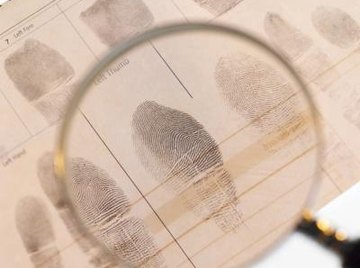
      • Only a minute fraction of DNA differs from one person to the next and forensic scientists can analyze these differences to create a match with samples of hair, skin, or bodily fluids. When this process is done, it creates what is called a DNA fingerprint. There is a very low probability of the DNA fingerprint being the same for two individuals, so a reliable match can be made.

      Function

      • Forensic science uses DNA technology for a number of purposes. One of the most well known is to match DNA with a physical sample left at a crime scene to identify criminal suspects. This may be used to establish guilt or to exonerate someone wrongly accused of a crime. DNA can also be used to identify victims of a catastrophe. The science of DNA analysis can establish family relationships or determine the pedigree of livestock. It has even been used to identify the authenticity of consumables such as expensive wine or caviar.

      Process

      • To create a DNA fingerprint, two samples must be compared to one another. In criminal cases, the forensic scientist will take a sample from a suspect and analyze it for the presence of a certain set of DNA markers. This is done by designating small pieces of DNA called probes that seek out and bind to a complementary sequence in the sample. A series of probes creates a distinctive pattern for the individual. This data is then compared to a physical sample found at the crime scene. If there is a match, it means there is a very high probability that the suspect contributed to the DNA found at the scene.

      Considerations

      • DNA evidence is not absolute. Forensic scientists scan 13 DNA regions when they establish a DNA fingerprint, and there remains a minute chance that a different individual has the same DNA fingerprint. However, the judicial system has concluded that the probability of error is so small that DNA evidence can be used with high reliability to identify an individual. In fact, DNA evidence is considered more precise in giving a correct identification of an individual than an eyewitness account, where accuracy rates are closer to 50 percent.

      Expert insight

      • According to the Human Genome Project, DNA sequencing technologies will continue to progress. At some point, it will probably be possible to do exact matches of very large DNA segments, and possibly even entire genomes. When this can be done, it will be possible to do precise forensic identification of individuals with no possibility of error.

    Related Searches

    References

    • Photo Credit dna image by Allyson Ricketts from Fotolia.com

    Read Next:

    Comments

    You May Also Like

    • The Uses of DNA Technology in Forensic Science

      The Uses of DNA Technology in Forensic Science. Forensic science involves the use of scientific procedures to gather evidence related to matters...

    • About Forensic Technology

      The field of forensic technology continues to grow significantly due to advances in the science and technical fields and increasing emphasis on...

    • DNA Technology in Forensics & Ethics

      DNA technology is invaluable in forensic science, where investigators try to find clues to identify the perpetrator of a crime. DNA fingerprinting...

    • What Is Forensic DNA Testing?

      When DNA is analyzed for evidence, it is called "forensic DNA testing." The technology is still being developed within the Human Genome...

    • How Did DNA Change Forensics?

      Deoxyribonucleic acid---DNA--is our unique genetic signature. Inherited over generations, it indelibly inscribes our singular existence in the cosmos. In grittier ...

    • Technology Required for DNA Testing

      Forensic scientists have applied all the various technologies to test DNA to smaller and smaller samples of genetic material. At the inception...

    • What Is Recombinant DNA Technology?

      Recombinant DNA technology refers to combining various types of DNA to produce a new organic molecule, such as combining various plants to...

    • The History of DNA Testing in Criminal Investigations

      DNA testing has revolutionized the way the criminal justice system investigates crime. No other forensic tool enjoys the level of confidence that...

    Follow eHow

    Related Ads