

How to Remove Lichen from Terracotta Roof Tiles

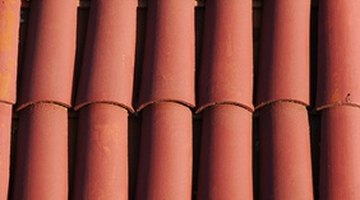
While lichen won't harm your terracotta roof tiles, it will look unsightly. If the sight of scaly green lichen on your terracotta roof is driving you crazy, you have two options for cleaning: washing by hand or using a pressure washer. Hand washing will certainly take more time, but if you don't have access to a pressure washer or find that this method damages your tile, you'll still be able to remove the lichen.
-
Set up a ladder so that you can access your roof. You may wish to have someone on hand to spot you while you climb the ladder with your equipment.
-
Test your pressure washer by turning it on low power on a corner of the roof. Hold the wand 6 inches from the surface of the roof and spray the tiles for fifteen to twenty seconds. Turn off the pressure washer and check your tiles for signs of damage. If they appear undamaged, you can use the pressure washer to clean the lichen off your roof tiles.
-
Spray your roof with the pressure washer on low. The lichen will loosen and fall off. Work in sections, spraying from the top down to the edge, then stepping back and cleaning the strip you were standing on. Clean all but 10 feet of the roof, then let the clean part dry. Once it's dry, you can clean the last 10 feet without stepping back onto wet, and potentially dangerous, tiles.
-
Mix an algae roof cleaner with water according to the manufacturer's directions, if you don't want to clean with a pressure washer, then hook up a hose long enough to reach your roof. (The hose won't exert enough pressure to damage your terracotta tiles.)
-
Wet a strip of your roof with hose water. Working on your hands and knees, scrub the algae with a stiff bristled brush. Dip the brush in the algae-cleaning solution as often as you need to wet it and remove lichen flakes. Once you've covered the whole strip with your brush, turn the hose on and wash the area. If you still see lichen, repeat this process until all traces of lichen are gone.
-
Repeat Step 4 until you have covered the roof. Mix fresh alga- cleaning solution whenever the water gets too contaminated to use. When you have 10 feet of roof to go, stop and let the roof dry, then finish the last section. Work until the entire roof is lichen-free.
References
Writer Bio
A successful website writer since 1998, Elton Dunn has demonstrated experience with technology, information retrieval, usability and user experience, social media, cloud computing, and small business needs. Dunn holds a degree from UCSF and formerly worked as professional chef. Dunn has ghostwritten thousands of blog posts, newsletter articles, website copy, press releases and product descriptions. He specializes in developing informational articles on topics including food, nutrition, fitness, health and pets.
Photo Credits
- tile roof image by Karin Lau from Fotolia.com
More Articles

