

Solar Energy System Components
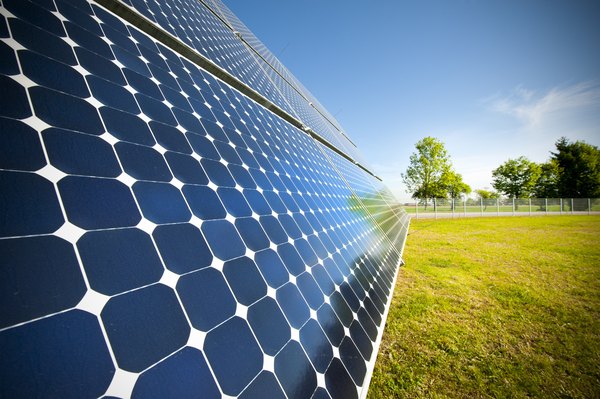
To generate solar energy, the photons radiated from the sun to earth must be collected, converted into a usable format and then delivered to an electronic device or the electric grid. Arrays of photovoltaic cells are normally used to collect the energy from the sun and convert it into electricity. An inverter is used to convert the electricity from the photovoltaic array into a format that can be used to power most devices and make sure the voltage level is consistent. Finally, the power can be supplied to the electrical grid or directly to a home, business or other location for immediate use. Also, some systems also have the ability to move the array of cells so they remain in the best position to collect solar energy.
Photovoltaic Arrays
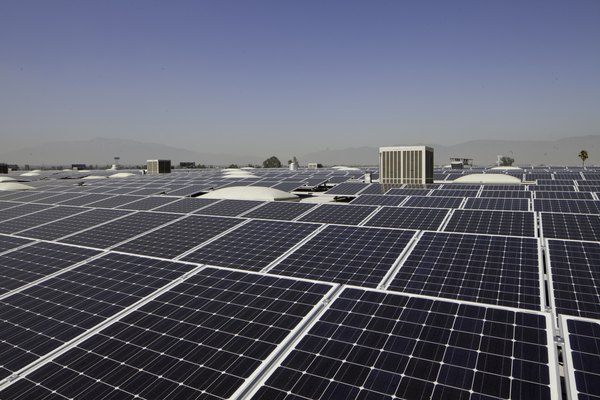
Photovoltaic (PV) arrays are groups of PV cells connected together to supply more energy than a single cell could provide. PV cells are made from specially treated silicon that is made so the material has a positive side and a negative side, allowing it to transmit electricity. The cell is then attached to several other cells using metal connectors; that group of cells is connected to a frame for support, making a PV module. The modules are connected together to make a PV array with a single electrical output that can be connected to the rest of the system.
Inverters
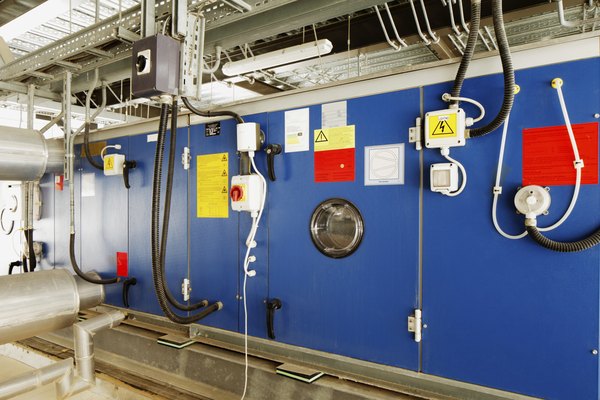
The solar energy generated by the PV array is direct current (DC) electricity, which cannot be used by many electronic devices or returned to the electrical grid because they use alternating current (AC) power. Also, solar arrays do not generate a consistent amount of power because of variations in the amount of light hitting the PV cells. The inverter and transformer correct these issues by modifying the amount and type of electrical power supplied by the system. The inverter converts DC power into AC power that can be used by other electric systems and ensures the voltage level delivered by the system is constant.
Photovoltaic Array Controllers
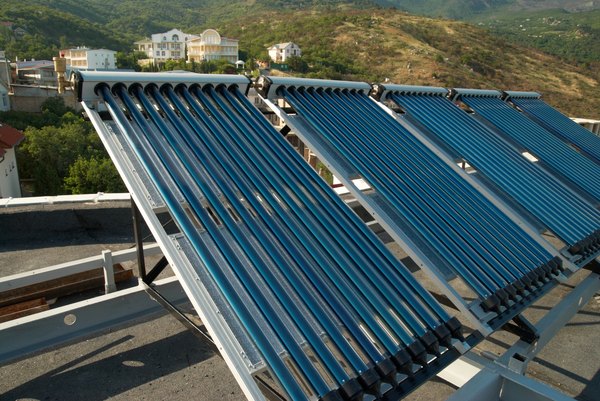
Since the amount of energy generated by PV cells is directly related to the amount of sunlight hitting them, the output from a solar energy system is impacted by the position of the PV array in relation to the sun. To maximize the efficiency of the generation system, a solar tracker and array controllers can be used. The solar tracker will follow the position of the sun by using light sensors; the controllers can move the PV arrays based on the output from the solar tracker, ensuring that the highest possible amount of solar energy is generated.
Delivering Solar Energy
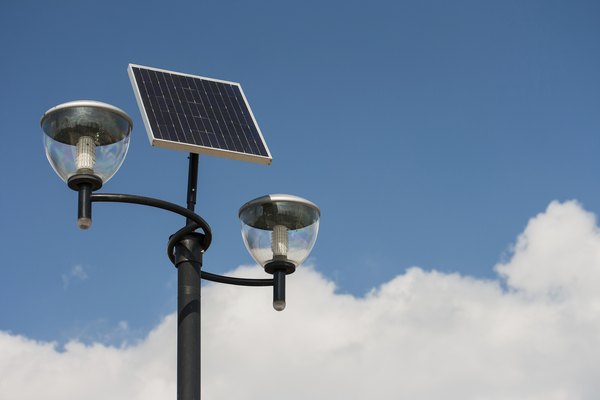
Once the electricity generated by the PV array has been converted into a usable format, it can be used to power electrical devices. The solar energy generation system can be installed so power is delivered directly to any electrical devices it is attached to or can be connection in parallel with the electrical grid.
References
About the Author
This article was written by the CareerTrend team, copy edited and fact checked through a multi-point auditing system, in efforts to ensure our readers only receive the best information. To submit your questions or ideas, or to simply learn more about CareerTrend, contact us [here](http://careertrend.com/about-us).
Photo Credits
Image Source/Photodisc/Getty Images