

Poll taxes and literacy tests are part of the ugly side of American history. In 1870, the United States passed the 15th Amendment to the Constitution, which guaranteed the right to vote regardless of race. In theory, Southern states couldn't stop black Americans from voting.
Tip
Poll taxes and literacy tests were seemingly race-neutral measures for shutting out black voters.
Voting Test and Jim Crow
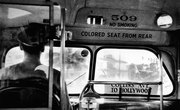
The 14th Amendment established that black Americans were entitled to equal protection under the law. By the end of the 19th century, the South had found a work-around: black and white Americans would be "separate but equal," a claim that covered up racial discrimination. The system of laws that imposed segregation was known as Jim Crow, after a dimwitted black stage character in the 1830s.
Denying black citizens the vote took away their ability to challenge the system. To keep voting limited to whites only, states used a variety of Jim Crow voting tests and created requirements that voters had to meet.
How Poll Taxes Worked
By 1904, every former Confederate state had adopted poll taxes, sometimes mistakenly called a poll test. If you wanted to vote, you had to pay a tax, typically $1 or $2. Though it sounds like a small amount today, it packed a lot more buying power a century ago. Many blacks and many poor white voters couldn't afford to pay the tax. State grandfather clauses gave some whites a free pass. If their ancestors had been registered voters before the Civil War, then they didn't have to pay the tax. In some states, the poll tax cut the black vote in half.
What Literacy Tests Did
Being unable to read was a lot more common in the 19th and early 20th centuries than today. Black Americans had more than double the illiteracy rate of whites. Simply by refusing to let a literate person help voters to fill out ballots, states made it impossible for illiterate blacks or whites to vote. Many states adopted literacy tests that aspiring voters had to complete. These were deliberately written to be difficult, even for people who could read. One Louisiana test, for instance, included confusing questions such as "draw a line around the number or letter of this sentence."
As the registrar decided who passed the literacy test, it was easy to refuse blacks and accept whites. Completely illiterate, poor whites got the benefit of the same grandfather clause used for the poll tax. Other tactics for protecting white supremacy included arbitrary voter registration rules and violent threats targeting blacks who voted.
Jim Crow Died
The 1960s drove multiple death blows to "separate but equal." The federal Civil Rights Act of 1964 ended segregation. The Voting Rights Act the following year protected the black vote. Even so, states with poll taxes and literacy tests struggled to hold on to them. The 24th Amendment made poll taxes unconstitutional in 1964.
Related Articles

References
- History: 15th Amendment
- History: Was Jim Crow a Real Person?
- Legal Information Institute: 14th Amendment
- University of Michigan: Techniques of Direct Disenfranchisement, 1880-1965
- National Museum of American History: Poll Taxes
- National Center for Education Statistics: Literacy from 1870 to 1979
- Slate: Take the Impossible “Literacy” Test Louisiana Gave Black Voters in the 1960s
- History: Civil Rights Act of 1964
- History, Art & Archives, United States House of Representatives: The 24th Amendment
Writer Bio
A Durham, NC resident, Fraser has written about law, starting a business, balancing your budget and fighting evictions, among other legal and financial topics.