
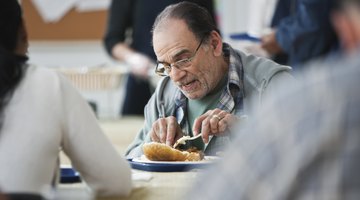

Socioeconomic status profoundly impacts an individual or family’s reputation and standing in the community. Socioeconomic issues include the ethics, fairness and results of policies, theories and institutions that may result in a different standard of treatment and opportunities based on income and background. Poverty is a major socioeconomic issue because lack of money for basic necessities is the source of many other socioeconomic concerns.
Disproportionate Poverty Levels
According to statistics from the U.S. Census Bureau, in 2016, there were 40.6 million people living in poverty, which means the poverty rate was 12.7 percent. For a family of four, the average poverty threshold -- or poverty line -- was $25,086, which means that a family of four making less than this was considered poor, as of 2017. More women than men live in poverty, and children represent 32.6 percent of those in poverty. Also, a family headed by a single adult is more likely to have a female head of household and is at greater risk of being in poverty.
Disparities in Health
People of lower socioeconomic status are less likely to have equal access to quality health care and more likely to develop health problems. Poor people do not have discretionary income to afford gym membership, exercise equipment or expensive hobbies like golf and skiing. They are also more likely to live in areas where they are exposed to environmental toxins, suffer from poor nutrition and develop health conditions. In addition, the anxiety of poverty makes them more vulnerable to stress related ailments, depression and anxiety.
Low Education Levels
Education is both a cause and an effect of socioeconomic status. People of lower socioeconomic status are less likely to be educated and often unable to save money for their children's future education. As a result, these children often have reduced employment levels and make lower wages as adults. In addition, children in low-income families have other extenuating circumstances. For example, they may have a teen mother, live in a non-English-speaking household, or live in a household where no one has a high school diploma, and these factors may also increase the chances that they will not have a successful school experience.
Justice System Inequalities
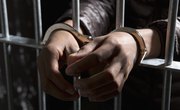
People in lower socioeconomic classes are more likely to deal with the criminal justice system as well. Poor people tend to be arrested more often than the middle class, and their cases processed through the courts. Additionally, economically disadvantaged defendants face harsher treatment than those who can pay court fees. Defendants are now charged for government services, such pre-trial jail fees, jury fees, public defendant reimbursement fees and drug testing fees. However, many poor people are arrested when they fail to pay for these services, which can range from hundreds to thousands of dollars. Also, electronic monitoring devices are sometimes used as an alternative to jail time, but defendants who cannot afford to pay rental fees for these devices have no choice but to serve jail time.
Related Articles



References
- U.S. Census Bureau: Poverty Thresholds
- The Atlantic: How Being Poor Makes You Sick
- University of Wisconsin-Madison Institute for Research on Poverty: Education and Poverty
- National Center for Children in Poverty: Investing in Young Children
- National Public Radio: Increasing Court Fees Punish the Poor
- U.S. Census Bureau: Income and Poverty in the U.S.: 2016
Writer Bio
Terri Williams began writing professionally in 1997, working with a large nonprofit organization. Her articles have appeared in various online publications including Yahoo, USA Today, U.S. News & World Report University Directory, and the Center for Digital Ethics and Policy at Loyola University Chicago. Williams has a Bachelor of Arts in English from the University of Alabama at Birmingham.