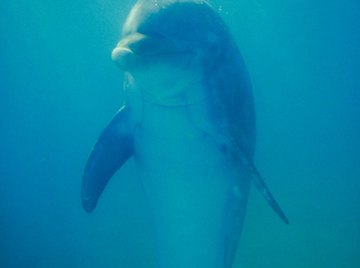
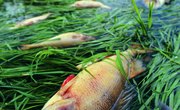
Pollution is just one of the many human threats to dolphins, and it isn't restricted to just one or two types. Marine and terrestrial animals alike face a barrage of different types of pollution. Air pollution, light pollution, soil pollution, water pollution – the list goes on. Dolphins and pollution simply don't mix, and pollution impacts them in numerous ways.
How Does Pollution Affect Dolphins?
A variety of pollutants impact dolphins around the globe. Chemical pollution, plastic pollution and noise pollution are just a few of the many human-caused threats to dolphins. These marine mammals face oil spills, red tides, digestive systems blocked by errant plastic bags, entrapment by discarded fishing gear and disorientation by underwater sounds. These various types of pollutants impact dolphins, whales and other marine animals in different ways.
Impacts of Oil Spills on Dolphins
Oil spills and other chemical pollutants have caused a lasting impact on dolphin populations. For example, the local dolphin population in the Gulf of Mexico continues to feel the effects of the Deepwater Horizon oil spill of 2010.
Researchers estimate that the dolphins in the area have lost over 50 percent of their population across the ten-year span since the spill. The dolphins breathed contaminated air from the oil spill, causing respiratory ailments and immune disfunction. The exposure has resulted in long-term increases in mortality, failed pregnancies and increased risk of other diseases or infections.
Impacts of Fertilizer Runoff on Dolphins
Oil isn't the only chemical pollutant that impacts dolphins and other marine mammals. Fertilizer runoff frequently results in algal blooms, resulting in red tides. The fertilizer feeds algae, causing a boom in numbers. The algae contain toxins, which the dolphins breathe through the air or ingest through the fish which eat the algae. The toxins accumulate in their body, a result known as bioaccumulation. Some red tide events can cause hundreds of deaths in the local dolphin populations.
Impacts of Plastic Pollution on Dolphins
Discarded plastic also causes deaths in dolphins, whales and marine animals. Scientists estimate that approximately 56 percent of the world's dolphins and whales have ingested plastic at some point. The dolphins eat the plastic, misidentifying it as potential prey such as squid, and the plastic blocks their digestive system.
In one particularly sad case, a pregnant pygmy sperm whale in Melbourne beached itself in 2018. The whale's necropsy revealed a stomach full of plastic blocking the rest of the digestive system.
Impacts of Discarded Fishing Gear on Dolphins
Another detrimental type of plastic or garbage pollution is discarded fishing gear. Known as "ghost" fishing gear, some fishermen discard nets and other parts of fishing equipment into the ocean when they no longer have use for them. This gear floats abandoned and traps many different types of marine life, from dolphins and whales to sharks and fish. Entanglement in fishing gear usually spells death for dolphins and other animals.
Impacts of Noise Pollution on Dolphins
Noise pollution might not be as tangible as plastic and fishing nets, but it still has a horrible impact on dolphins. Noise from ship engines, military sonar, oil drills and various human activity causes a different type of pollution to marine mammals.
Dolphins navigate their watery world using echolocation. However, noise pollution impacts a dolphin's ability to echolocate and can even damage their hearing. Loud noises can also cause panicked dolphins to dive rapidly, resulting in fatal decompression sickness from the abrupt and uncontrolled change in pressure.
With so many different types of pollution impacting the earth's dolphins, conservation efforts are even more important. You can do your part by recycling, volunteering for beach clean-ups, eating sustainable seafood, using fertilizers and chemical pesticides appropriately and sparingly and supporting organizations that help clean up pollutants and conserve wildlife!
References
- NOAA: Ten Years After the Deepwater Horizon Oil Spill
- FWC: Effects of Red Tide on Marine Animals
- WWF: Plastic in Our Oceans is Killing Marine Mammals
- The Age: Pregnant Whale Dies from Ingested Rubbish
- DownToEarth: Discarded Fishing Gear Threatens Ganga Dolphins, Turtles
- Nature: Ocean Uproar: Saving Marine Life From a Barrage of Noise
About the Author
Marina Somma is a freelance writer and animal trainer. She holds a B.A. in Psychology and a B.S. in Marine and Environmental Biology & Policy from Monmouth University. Marina has worked with a number of publications involving animal science, behavior and training, including animals.net, SmallDogsAcademy and more.
Photo Credits
NA/AbleStock.com/Getty Images