
Hazardous Waste Training

Hazardous Waste Training thumbnail
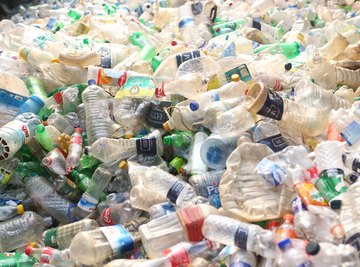
Hazardous waste requires proper storage.

Many agencies govern hazardous waste management. Some of them include Hazmat Security, the U.S. Department of Transportation (DOT), and the Occupational Safety and Health Administration (OSHA). The primary source of the current regulations for hazardous waste training centers around the Resource Conservation And Recovery Act (RCRA). The RCRA manages hazardous waste by establishing clear-cut industry standards. These standards provide the foundation for the curriculum used in regulation hazardous waste training.

  1. History

    • Congress enacted the RCRA Act in 1976 to help protect mankind's health, as well as the environment. This was only six years after The Occupational Safety and Health Act of 1970. That Act gave birth to OSHA, an organization that described itself as "...a new era in the history of public efforts to protect workers from harm on the job." OSHA sometimes works in conjunction with the RCRA in an effort to decrease hazardous waste generated.

    Significance

    • To successfully contain and help reduce hazardous waste, proper training in waste management techniques is required. Employees and anyone dealing with hazardous materials are required to receive training, specific to their role in the waste management process. Included in the RCRA definition of hazardous waste are materials that are extremely flammable, explosive, corrosive or toxic. The entities that are regulated by the RCRA range from commercial business to local, state and federal government facilities.

    Facts

    • The Environmental Protection Agency (EPA) also helps regulate waste management. It has created a list identifying more than 500 hazardous wastes. The EPA is responsible for the Hazardous Waste Manifest System currently used to regulate transporting hazardous waste. According to the EPA, "The Hazardous Waste Manifest System is a set of forms, reports, and procedures designed to seamlessly track hazardous waste." The manifest system is part of basic training for those directly involved with transporting hazardous waste.

    Types

    • Standard aspects of hazardous waste training involve proper storage procedures, and proper pick-up, transport and disposal procedures. The extent of an individual's involvement in generating, treating, storing and disposing of hazardous waste determines which agency standards apply and the amount of training she will require. Hazmat Security, DOT, OSHA and other government agencies may sometimes stipulate additional regulations and training for certain jobs.

    Benefits

    • Programs like the Environmental Response Training Program (ERTP) offer hazardous waste courses tuition free to certain individuals. Those who are employed by the EPA, and other state, federal and local government agencies are among those exempt from paying for ERTP courses. Those in the private sector are required to pay a $500 tuition fee. Some companies offer the RCRA training modules online in various file formats. To properly manage household hazardous waste, the average consumer can also take advantage and benefit from the available information and training found at the Trainex website.

Related Searches:

References

Resources

  • Photo Credit chemical waste image by Antonio Oquias from Fotolia.com

You May Also Like

  • Hazardous Waste Courses

    If you are in any situation where you are going to come into contact with hazardous waste, you need to know how...

  • How to Reduce Hazardous Waste

    Hazardous waste includes anything that ignites when at 140 degrees Fahrenheit, is very acidic or basic, reacts with water or produces cyanide...

  • OSHA Requirements of Hepatitis B Vaccines

    OSHA Requirements of Hepatitis B Vaccines. Approximately 1.2 million people in the United States had hepatitis B in 2010, according to the...

  • Hazardous Waste Transportation Regulations

    Hazardous waste transportation regulations are regulated by the United States Environmental Protection Agency (USEPA) and the Hazardous Materials Transportation Act ...

  • Hazardous Waste Drum Storage Requirements

    Hazardous Waste Drum Storage Requirements. The U.S. Environmental Protection Agency (EPA) has standards for the storage of hazardous waste drums. These standards...

  • How to Get Rid of Hazardous Waste in St. Louis

    Storing hazardous waste in your home or garage presents a health hazard to humans and pets. There are several ways to dispose...

  • Washington State Hazardous Waste Training

    Washington state employers that deal with hazardous waste must inform their employees and contractors about which materials the company uses, the risks...

  • Annual Rcra Training

    RCRA stands for the Resource Conservation and Recovery Act. According to Environmental, Health and Safety Online, "RCRA's primary goals are to protect...

  • Hazardous Waste Manifest Requirements

    Hazardous Waste Manifest Requirements. Some essential processes produce waste that is considered highly hazardous to the environment. Hazardous waste is highly ...

  • How do I Conduct Hazardous Waste Characterizations?

    The Environmental Protection Agency (EPA) regulates hazardous waste under the Resource Conservation and Recovery Act (RCRA). EPA lists specific hazardous waste in...

  • What Is Hazwoper Training?

    HazWOPER training is mandated by the U. S. Government for persons visiting or working on projects that where uncontrolled hazardous waste is...

  • DOT Training Regulations

    The Department of Transportation uses various agencies and federal laws to create regulations in order to prevent automotive fatalities and injuries. These...

  • Hazardous Waste Management Training

    A hazardous waste management training program addresses specific policies and practices that organizations put into place to handle hazardous materials, also known...

  • Eight Classes of Hazardous Waste

    Eight Classes of Hazardous Waste. A hazardous waste is any substance that poses a danger to human health or the environment, according...

  • Dot Hazardous Materials Transportation Training

    The U.S. Department of Transportation requires that organizations engaging in industrial activities implement safety measures for personnel interacting with hazardous ...

Related Ads

Featured