
In scientific research, scientists, technicians and researchers utilize a variety of methods and variables when conducting their experiments. In simple terms, a variable represents a measurable attribute that changes or varies across the experiment whether comparing results between multiple groups, multiple people or even when using a single person in an experiment conducted over time. In all, there are six common variable types.
TL;DR (Too Long; Didn't Read)
Variables represents the measurable traits that can change over the course of a scientific experiment. In all there are six basic variable types: dependent, independent, intervening, moderator, controlled and extraneous variables.
Independent and Dependent Variables
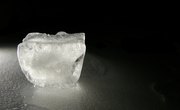
In general, experiments purposefully change one variable, which is the independent variable. But a variable that changes in direct response to the independent variable is the dependent variable. Say there’s an experiment to test whether changing the position of an ice cube affects its ability to melt. The change in an ice cube's position represents the independent variable. The result of whether the ice cube melts or not is the dependent variable.
Intervening and Moderator Variables
Intervening variables link the independent and dependent variables, but as abstract processes, they are not directly observable during the experiment. For example, if studying the use of a specific teaching technique for its effectiveness, the technique represents the independent variable, while the completion of the technique's objectives by the study participants represents the dependent variable, while the actual processes used internally by the students to learn the subject matter represents the intervening variables.
By modifying the effect of the intervening variables -- the unseen processes -- moderator variables influence the relationship between the independent and dependent variables. Researchers measure moderator variables and take them into consideration during the experiment.
Constant or Controllable Variable
Sometimes certain characteristics of the objects under scrutiny are deliberately left unchanged. These are known as constant or controlled variables. In the ice cube experiment, one constant or controllable variable could be the size and shape of the cube. By keeping the ice cubes' sizes and shapes the same, it's easier to measure the differences between the cubes as they melt after shifting their positions, as they all started out as the same size.
Extraneous Variables
A well-designed experiment eliminates as many unmeasured extraneous variables as possible. This makes it easier to observe the relationship between the independent and dependent variables. These extraneous variables, also known as unforeseen factors, can affect the interpretation of experimental results. Lurking variables, as a subset of extraneous variables represent the unforeseen factors in the experiment.
Another type of lurking variable includes the confounding variable, which can render the results of the experiment useless or invalid. Sometimes a confounding variable could be a variable not previously considered. Not being aware of the confounding variable’s influence skews the experimental results. For example, say the surface chosen to conduct the ice-cube experiment was on a salted road, but the experimenters did not realize the salt was there and sprinkled unevenly, causing some ice cubes to melt faster. Because the salt affected the experiment's results, it's both a lurking variable and a confounding variable.
References
About the Author
Mariecor Agravante earned a Bachelor of Science in biology from Gonzaga University and has completed graduate work in Organizational Leadership. She's been published on USA Today, Medium, Red Tricycle, and other online media venues.