

How to Convert a Fireplace From Decorative to Functional

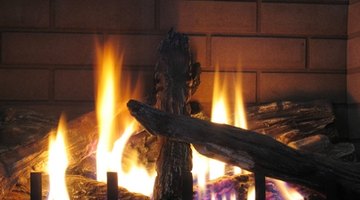
A decorative fireplace is a fireplace that is unable to burn a fire for one of several reasons. The fireplace may have never had a chimney attached, the fireplace may be damaged or too dirty to use or the fireplace may cause too much mess to use on a regular basis. It is possible to turn a decorative fireplace into a functioning fireplace. There are three ways to do this, one by cleaning, one by adding a stove and the other by using candles instead of burning wood.
Cleaning
-
Hire a professional to clean your chimney if your fireplace is only decorative because it is dirty or has been out of use for several years. Unless you used the fireplace within the last three years, it is a good idea to have a professional come and inspect the chimney for safety. You can choose to clean the chimney yourself, but still hire a professional to inspect it after cleaning.
-
Cover all of the furniture and carpets in your room with tarps or old sheets to protect it from the dust. Seal the fireplace closed if possible. Wear work gloves, a dust mask and safety goggles.
-
Go to the top of the roof near the chimney. Stick the brush down inside the chimney all the way to the fireplace base. Pull the brush up slowly and dust any dirt or other contaminants off of the brush. Repeat several times until the chimney is clear. Inspect your work with the flashlight.
-
Sweep out the inside of the fireplace with a broom to prepare for new fires.
Faux Fireplace
-
Consider the purchase of an electric or gas fireplace insert to go inside the current fireplace. This way you get the benefit of having a fire without the mess or danger of open flames.
-
Purchase a model that fits snugly inside your fireplace and that matches the décor of the room.
-
Install the fireplace before it gets too cold to allow ample time to enjoy the fireplace once temperatures start to drop.
Candles
-
Consider placing a rack of candles inside the fireplace rather than using an expensive fireplace insert. Candles add warmth to a room and, in most cases, do not cause a fire hazard.
-
Clean out the fireplace of other objects, ashes or dirt. Make sure the chimney is open for a few feet above the top level of the candles and free of paper or other flammable objects.
-
Place a rack of several candles inside the fireplace. Stick candles on all candle holders and light starting from the back and working toward the front. The candles will add a cheery glow to the room.
References
Writer Bio
Brenda Priddy has more than 10 years of crafting and design experience, as well as more than six years of professional writing experience. Her work appears in online publications such as Donna Rae at Home, Five Minutes for Going Green and Daily Mayo. Priddy also writes for Archstone Business Solutions and holds an Associate of Arts in English from McLennan Community College.
Photo Credits
- fireplace image by askthegeek from Fotolia.com
More Articles

