When your dog is full of energy, it's hard to imagine that anything could ever keep her down. From fetching to jumping onto the furniture to greeting you enthusiastically at the door when you get home, your dog does it all. However, a herniated disc in dogs' spines can sideline your dog, causing injury to the spinal cord and leaving them in severe pain. In some cases, dogs with herniated discs become suddenly unable to walk. Hopefully your pet will never experience a herniated disc, but if they do the best way to help a slipped disc in dogs is to get them to a veterinarian immediately.
Video of the Day
Intervertebral disc disease in dogs
Intervertebral disc disease, also known as IVDD, is a painful condition affecting a dog's back. The spinal column is made up of a series of shorter bones called vertebrae which are connected by ligaments. Intervertebral discs are made out of a specific type of cartilage. They are located between each vertebra to provide cushioning between the bones. The spinal cord runs inside the vertebrae above the intervertebral discs. When the intervertebral discs are damaged, either through degeneration or calcification, they can extrude and press on the spinal cord, resulting in nerve damage, significant pain, and even full or partial paralysis.
Video of the Day
Certain breeds are predisposed to this condition. Dachshunds, beagles, basset hounds, and Shih Tzus are particularly prone to slipped discs. If the issue occurs, your dog will need a trip to the vet, treatment, a possible surgery, and supportive care in order to recover. Remember that if your dog cannot walk, they need to see their veterinarian right away to mitigate further trauma.

Dog slipped disc symptoms
Your dog may display a number of symptoms when he has a slipped disc. Some of the more common symptoms include pain and weakness in the hind legs, crying out in pain, acting unusually anxious, muscle spasms over the back or neck, demonstrating an unwillingness to jump, standing with a hunched-over back, and even loss of bladder or bowel control.
The most common symptom is pain over the back or neck. Dogs may show this through incoordination, like tripping or scuffing their feet when they walk or even walking on the tops of their feet. Symptoms may appear gradually, sporadically, or suddenly, but if you notice any of the above symptoms in your dog, you should immediately make an appointment with your vet.
Diagnosing a slipped disc in dogs
When diagnosing a herniated disc due to IVDD, your vet will start by performing a neurologic exam on your dog. This exam will help your vet to determine the specific area of the spine that is injured. Your vet may perform a procedure called a myelogram, in which he'll inject a dye into the spine. The dye will help make the spinal cord show up on X-rays so your vet can more accurately determine the precise location of the injury. Additional testing may include an MRI or CT scan, which can be used to determine where your dog's nerves are being compressed.
For breeds where IVDD is common, such as beagles and basset hounds, checking for symptoms of IVDD should be a part of your dog's annual wellness visit.
Treating a slipped disc in a dog
The best treatment for your dog will depend on the severity of her condition. IVDD is categorized in five stages. Stages I, II, and III are milder, and their symptoms can range from mild back pain to partial paralysis. They are often first treated with anti-inflammatory drugs, pain relievers, and restricted exercise. In some cases, these treatments can relieve the pain. If the pain worsens or symptoms like paralysis progress, surgery may be necessary. Dogs with more severe slipped discs that cause paralysis are most often treated with surgery. The sooner the surgery is performed, the better the chances of the dog's recovery. It is best if these dogs receive surgery within 24 hours of the onset of paralysis.
How to make a dog with a slipped disc comfortable
Most dogs who have mild to moderate cases of IVDD will improve, regain feeling in their hind legs, and be able to walk again. You can help your dog to recover by offering your dog nursing care as directed by your vet. A dog slipped disc home treatment may include massage, administering pain medications on time, restricting your dog's activity level, and providing your dog with heat to help relax his muscles.
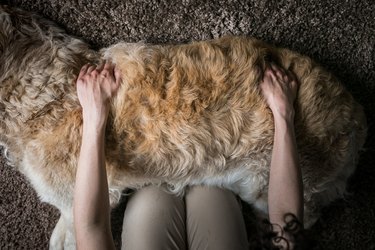
Your veterinarian may instruct you on physical therapy exercises you can do with your dog during recovery or they may refer your dog to a physical therapist. While the goal of treatment of a dog's herniated disc to return the dog to function, some pets do not regain the ability to walk. Depending on your dog's overall condition and quality of life, some dogs are candidates for assistive devices like wheelchairs to help them get around.
The best care that you can give to your dog is to work closely with your vet to monitor his condition, determine the best course of treatment, and support your dog throughout their recovery.