Big things come in small packages from the Shetland Islands, an archipelago of Scotland. The islands' rugged countryside, once the land of Vikings, produced the fierce yet diminutive Shetland sheepdog or Sheltie. Loving, intelligent, loyal and obedient, these miniature collies were bred to vigilantly guard cottages, flocks and herds against some of the most vicious raiders in history. Shetland sheepdogs' long, thick, rough coats protected them from the elements and gave them a regal appearance. Grooming standards for today's Shelties reflect their working origins.
Grooming to Standard
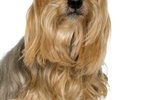
The Shetland sheepdog has a double coat. To meet the American Kennel Club's breed standard, the outer coat should appear to stand out from the dog's body. Long, straight, harsh hair should compose the overcoat, with profuse hair on the tail and leg feathers. In the show ring, judges hand out penalties for short, soft or silky coats, as well as for lack of undercoat, which should be dense.
Keeping His Coat in Line
Brushing the coat and misting it with water helps keep the Sheltie's coat healthy and free of mats and knots. A technique called line-brushing, the preferred method of grooming, ensures that the undercoat maintains its density while helping the overcoat remain rough. Begin by making a part down the middle of your Sheltie's back, from neck to tail. Part the hair all the way to the skin and mist with water. Working in small sections, brush the hair from the base to the tip in an upward motion. Work in small sections on one side of your dog's body, then repeat on the other side.
Managing the Mane
The Sheltie's mane, or ruff, should give him a regal appearance. When brushing the mane, separate the hair into small sections beginning at the neck, dampen with water and brush upward toward the ears. Continue layer by layer, working around from his neck to his sides and finally to his chest.
Handling the Head
Use a slicker brush or comb for grooming your Sheltie's face, brushing in the direction of hair growth. Untangle hair around the bases of the ears, which mat easily. Shaggy hair on the ears may require a trim to keep them looking tidy. Your groomer can accomplish this using thinning shears, which will neaten his ears without looking unnatural.
Caring for the Feet
Ask a professional groomer to trim your Sheltie's feet. When the hair between the pads of the foot becomes overly long, your dog can lose his grip and slip on slick surfaces. The groomer can also trim around the outside of each foot to enhance its shape, and may trim stray hair on the hind legs below the hock joints. Toenails that grow too long can cause foot problems, so have your groomer or veterinarian trim them for you once per month.
References
Photo Credits
-
cynoclub/iStock/Getty Images