
Sand, one of the most basic mineral formations on the planet, can be found in some capacity in every country, temperate zone, geographical region and continent around the globe. Sand is defined as a naturally occurring granular material composed of finely divided rock and mineral particles.
Types
The most common type of sand, found in non-tropical coasts and continental areas, is called silica, and usually takes the form of quartz. This type of sand is extremely resistant to weathering due to its chemical composition (SiO2), which makes the grain very hard.
The exact composition of sand can vary greatly depending on local mineral sources and geological conditions. White sand, such as that found at the White Sands National Monument in New Mexico and on many beaches around the world is composed mainly of eroded limestone.
Arkose is a form of sand high in feldspar and granite. Other minerals known to be found in sand include magnetite, glauconite, gypsum, and magnetite. Magnetite, as well as the volcanic obsidian, produce a very course black sand. Green sands can be seen wherever there is a mix of basalt, chlorite and glauconite. Many areas in Southern Europe have a deep yellow color due to concentrations of quartz and iron.
Size
Geologists define sand as rock particles that range in diameter from 0.0625 to 2 millimeters. An individual such particle is known as a sand grain. Smaller particles, from 0.0625 down to 0.004 millimeters are defined as silt. Larger particles range from 2 to 64 millimeters. In the United States, sand is categorized according to its size. Very fine sand is 1/16 to 1/8 mm in diameter, fine sand is 1/8 to 1/4 mm, medium sand is 1/4 to 1/2 mm, course sand is 1/2 to 1 mm in diameter, and very course sand is 2mm to 64mm in diameter.
Function
Sand has found many commercial uses around the world. Usually, each task requires a unique and ideal type of sand in order to produce optimal results. Commercial uses of sand include, but are not limited to:
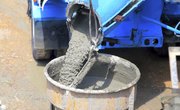
Sand casting, a form of molding material Concrete, which often contains a high volume of sand Glass, in which sand is a central component Certain types of bricks that contain sand Textured paint Sandbags, used to prevent flooding and bullet penetration Landscaping, used as a natural element
Theories/Speculation
Sand can be found in some capacity in every country, temperate zone, geographical region and continent around the globe. Sand is defined as a naturally occurring granular material composed of finely divided rock and mineral particles.
Warning
By itself, sand is a relatively harmless, naturally occurring material. Care must be used when using sand for an activity such as sandblasting, as exposure to sand fumes can result in silicosis, a lung disease caused by inhaling the blasted sand. Quicksand, a natural phenomena characterized by a source of water from beneath that causes the sand to become a gel form, can be dangerous. Quicksand can be found in high-pore water areas.
About the Author
This article was written by the CareerTrend team, copy edited and fact checked through a multi-point auditing system, in efforts to ensure our readers only receive the best information. To submit your questions or ideas, or to simply learn more about CareerTrend, contact us [here](http://careertrend.com/about-us).
Photo Credits
Jupiterimages/Photos.com/Getty Images