
Gas vs. Electric Heat Pump

Gas vs. Electric Heat Pump thumbnail
Homes need hot and cool air to counter the outside temperatures.

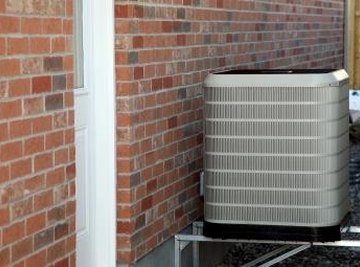
Heat pumps are an energy-efficient source of either cold air or hot air, depending on what the outside temperatures make necessary. Although they are not the most practical choice in every situation, as long as the climate is moderate, keeping away from the extreme high or low temperatures, they could be a very cost-effective option for some home owners. Does this Spark an idea?

  1. Types

    • Two common sources of fuel for heat pumps are the traditional electricity and gas, which could also be referred to as air-source and absorption. The more common electric heat pumps belong to the air-source group, which function like a refrigerator in reverse, taking in heat from the outside air with electric coils and turning it into a gas, then transferring it inside in the process. Another style, absorption heat pumps, can be fueled by just about anything, but typically operate with gas, and as such are usually just called gas heat pumps. These pumps generate their own heat with the use of an ammonia-water cycle.

    Cost

    • Price will be based on many factors. For the standard electric air-source heat pump, prices could range from $500 to $5,000 depending on how much of the home is expected to be heated by the pump. It is recommended to consult with a professional electrician before going through with the installation to make sure the home's electric panel is fully up to date. In the case of gas fired absorption heat pumps, the models require a much more complicated installation and typically start at the high end of comparable electric pumps, around $5,000 to $7,500.

    Efficiency

    • Because the gas fired versions are a newer technology, they are typically more energy-efficient than even the most advanced air-source heat pumps. A big reason for this is generator absorber heat exchanger technology, also referred to as GAX. This greatly enhances the pump's efficiency by recovering released heat when the ammonia is absorbed into the water, allowing for quick reuse. This makes gas heat pumps less vulnerable to the constantly cold climates that electric heat pumps do not function well in. If used in the right setting, however, both styles of heat pumps are more energy efficient than air conditioners or furnaces.

    Risks

    • Gas fired heat pumps are actually better when it comes to environmental effects, as it does not require the use of ozone-endangering electric units. Additionally, absorption heat pumps do not generate the same type of pollution as do gas furnaces, for instance. Furthermore, there is always the risk of a power outage due to various extenuating circumstances, and in that event, an air-source heat pump will be out until the power is back, meaning no heat. It's also worth noting that the dangers of gas always include the risk of explosion.

    Considerations

    • Because of the large space requirements for absorption heat pumps, they are mostly used in industrial settings. Although they are becoming more popular in residential settings, it is suggested that they only be used in homes with 4,000 or more square feet. Additionally, because of the extra cost, the standard air-source heat pumps may be a more logical option unless the home does not have a source of electricity.

Related Searches:

References

  • Photo Credit Image by Flickr.com, courtesy of Jeremy Levine

Comments

You May Also Like

Related Ads

Featured