
What Are the Functions of the Right Side of the Brain?

The brain is divided into two hemispheres that each control specific functions. When you're doing mathematical and analytical thinking, for example, you're utilizing the left side of your brain. When you're creatively thinking or daydreaming, the right side of your brain takes over. Both sides of the brain are connected to each other, so they switch off taking control when necessary. For example, when you're driving, the right side of the brain is at work. When you're balancing your check book, the left side of your brain is in control.
Significance

George Doyle/Stockbyte/Getty Images
The right side of the brain controls many of the body's thought and actions. It focuses around judging the position of things in space, knowing body position, understanding and remembering things we do and see, putting bits of information together to make an entire picture, and it controls the left side of the body. It processes its information through feelings, symbols, images, imagination, philosophy, religion and creative thinking.
Big Picture

George Doyle/Stockbyte/Getty Images
The right side of your brain looks at pictures as a whole, opposed to the left side, which looks at sequential steps to make a whole come together. Take the example of driving a car in traffic. While you're driving, the right side of your brain looks at all factors affecting your actions (the number of cars on the road, the average speed, the width of the lanes, any construction, etc.) and quickly processes the information so you can act on it. The right side of your brain looks at the whole scenario and tells your body what to do. The lefts side would process all the information in sequential order, causing you to react much slower.
Spatial Relationships
George Doyle/Stockbyte/Getty Images
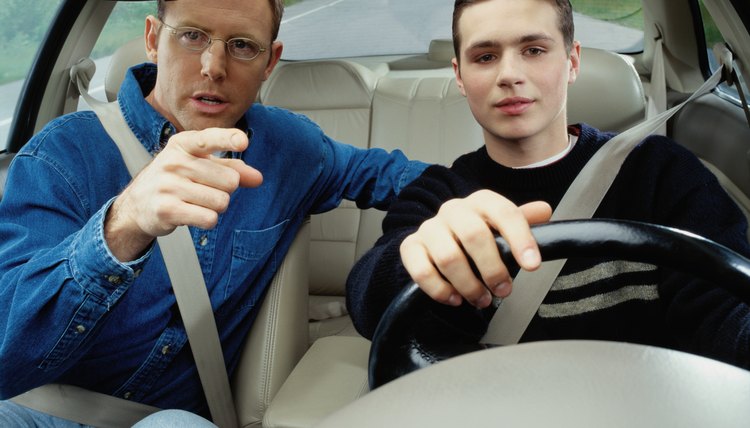
One of the most important functions of the right side of the brain is judging the position of things in space. This function is the number one reason why you can drive a car in traffic and not get into an accident every single time. The right side of your brain will figure out how far away an object is from you and recognizes it location in space. Without this function, you would be walking and bumping into things all the time.
Knowing Object Functions
George Doyle/Stockbyte/Getty Images
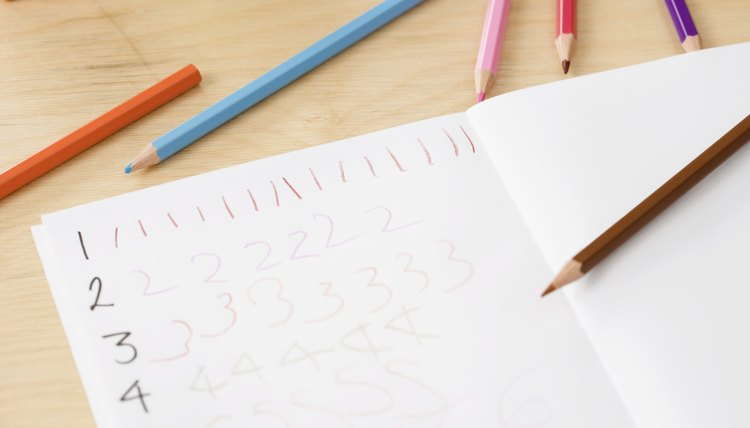
Another one of the most important functions of the right side of the brain is understanding object functions. If the right side of your brain is inactive and you see a pencil and a piece of paper in front of you, you wouldn't know what to do. The left side of your brain would be able to tell you that the objects in front of you are a pencil and a piece of paper, but wouldn't tell you how to use them. If the left side of your brain is inactive, and you're in the same scenario, the right side of your brain would tell you how to use the pencil and paper, but it wouldn't define to you that the two objects in front of you are a pencil and a piece of paper.
Creative Thinking
George Doyle/Stockbyte/Getty Images
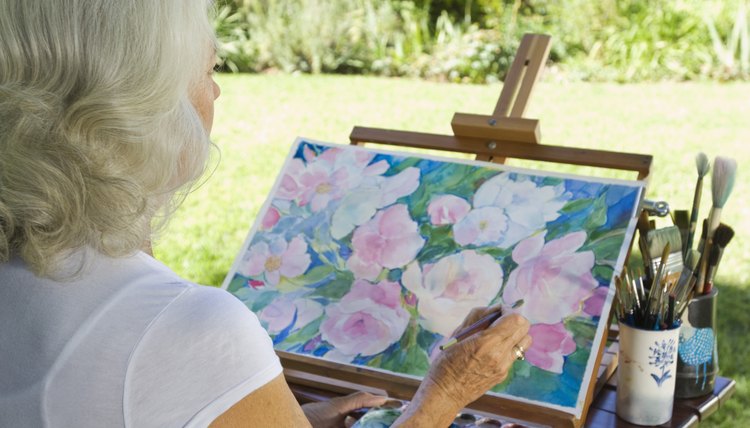
The right side of the brain tends to use more creative, fantasy and philosophical thinking, where as the left side of the brain focuses more on facts, numbers and analytical thinking. When you daydream, you're using the right side of your brain. When you're thinking of an original design or drawing, that's also the right side of your brain at work. People who are dominated by the right side of their brain tend to be more creative than people who mostly use the left side of their brain.
Writer Bio
Michael Jones reported campus news stories for The University of Southern California's student newspaper, "The Daily Trojan," for four years before graduating Summa Cum Laude with a Bachelor of Science in journalism. He has since gone on to write for several publications both in America and abroad and has an idiosyncratic knack for translating the most intricate tasks into layman speak.