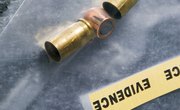
How Does Chemistry Relate to Forensic Science?

How Does Chemistry Relate to Forensic Science? thumbnail
How Does Chemistry Relate to Forensic Science?

Chemistry is used in forensic science to uncover information from physical evidence. In criminal cases, chemists analyze substances such as blood, DNA and gunpowder residue to attempt to determine when and by whom the crime was committed. In civil cases, chemists analyze DNA to authenticate valuable products and to identify fraudulent activity. Chemists also determine information from unsolved crimes and mysteries of long ago through other means of DNA analysis.

  1. Blood Analysis

    • Aside from being used for identification of suspects, the contents of blood on a crime scene can be evaluated to reveal the presence of substances. For this evaluation, a chemist will perform a chromatography test, which uses intense heat to separate the blood into different contents. Afterward, a chemist determines the level of substances such as alcohol or medication that would affect the suspect´s actions and motivations during a given crime.

    DNA Forensics in Criminal Cases
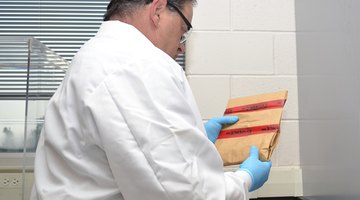
    • DNA forensics is used in criminal cases to match the DNA of an individual to that of body cells left at a crime scene, such as skin cells, hair, semen and blood. The FBI most commonly uses STR-analysis for its cases. With STR-analysis, chemists take DNA samples from areas at the crime scene. These are then compared with the DNA profiles of individuals booked in an expansive database called CODIS to identify suspects.

    DNA Forensics in Civil Cases

    • DNA forensics is used in civil cases, such as fraud, forgery or negligence. For example, unique DNA strands were placed on Super Bowl XXXIV footballs as well as 2000 Summer Olympics memorabilia to provide a means of determining authenticity. In addition. DNA forensics are used to identify the purity and content of food, water and pharmaceuticals to ensure that they meet required legal standards.

    Firearms Analysis
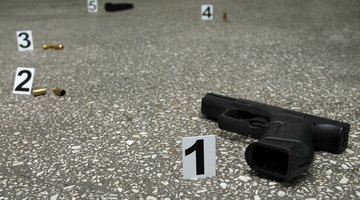
    • Chemistry is often used in crimes involving firearms in order to identify information from recovered bullets and residue. For example, a forensic scientist will examine a suspect´s hands and clothes with infrared lights to look for gunpowder residue. If this residue matches that of the bullet found in the victim, there is evidence that the suspect recently fired the same type of firearm responsible for harming the victim. If no gunpowder residue is found on a suspect, a chemical analysis of the bullet can still reveal information such as the type of firearm used and how long ago the bullet was fired.

    Mitochonrial DNA
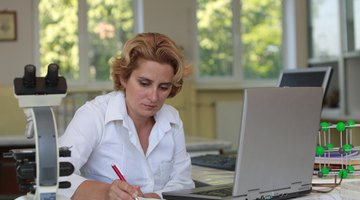
    • For recent events, forensic DNA analysis uses nuclear DNA to identify matches. However, over time, nuclear DNA material deteriorates, making it necessary to test other parts of the cell. Mitchondrial DNA (mtDNA) analysis is used to find matches in unsolved crimes from years ago. In addition, mtDNA can be used to solve claims and disputes by identifying persons and lineages from as long as 1,000 years ago.

Related Searches:

References

  • Photo Credit Image by Flickr.com, courtesy of Colin Brown

You May Also Like

  • How to Train for Forensic Chemistry

    A forensic chemist will need to have the proper education and training for the job. The role of the forensic chemist is...

  • Chemistry Used in Forensics

    Forensic science is an area that has garnered a great deal of public attention over the past several years. Made popular by...

  • How Is Math Used in Solving Forensic Cases?

    Forensic scientists perform many different comprehensive chemical and physical analyses on the evidence obtained from crime scenes. They perform two roles that...

  • Uses of Chemistry in Forensic Science

    Forensic chemistry laboratories exist to deduce all that is possible from evidence. Chemistry units are present at any forensic science laboratory, and...

  • How Does Forensic Science Help Solve Crimes?

    Those who employ forensic science solve crimes by using all of the available information about, and evidence from, a crime scene in...

  • How to Get a Job in Forensic Science

    Forensic science is the use of scientific principles and knowledge to matters involving the law. Forensic scientists analyze evidence found at crime...

  • The Role of a Forensic Psychologist

    Forensic psychologists carry out many important roles related to criminal justice. Applying theory and research to practical problems, they assist other professionals...

  • Forensic Chemistry Graduate Programs

    Forensic Chemistry Graduate Programs. Forensic chemistry is an interdisciplinary field combining chemistry, biology, analytical toxicology, criminalistics, genetics ...

  • Chemistry Related Discoveries

    One of the most important discoveries in science was the discovery of the structure of deoxyribonucleic acid (DNA). This is the giant...

  • Grants for Forensic Chemistry Students

    Grants for Forensic Chemistry Students. While forensic chemistry involves many hours looking at eyelashes, hair and fingernails under a microscope and very...

  • Forensic Chemistry Careers

    Forensic Chemistry Careers. According to Western New England College, forensic science is the application of physical and biological sciences to the law....

  • Analytical Equipment Used in Forensic Science

    There are dozens of pieces of analytical equipment used in forensic science. Depending upon the forensic specialties involved, there is equipment to...

  • What Do Forensic Science Workers Do?

    Forensic scientists work with those in the justice system to analyze evidence and perform laboratory tests, such as drug and DNA tests....

  • Role of Forensic Botany

    Forensic botany involves the use of botany in the detection and prosecution of crime and other legal issues. It is a relatively...

  • Forensic Chemistry Definition

    Forensic chemistry applies the principles of chemistry in investigative procedures. It analyzes the chemical composition of evidence related to problems that demand...

  • Forensic Science Certificate Programs

    Forensic Science Certificate Programs. Most forensic science certificate programs are designed for people who have or are getting an undergraduate degree or...

  • Forensic Chemistry Degrees

    Forensic Chemistry Degrees. A degree in forensic chemistry is typically an undergraduate or bachelor's degree in chemistry with a specialization in criminal...

  • How Much Does a Forensic Specialist Make?

    The question of how much a forensic specialist makes has no easy answer. One reason for this is the wide range of...

  • How to Get a Forensic Science Degree

    Forensic scientists work closely with other law enforcement officers to solve a crime. Forensic scientists may work in various capacities including criminalities...

  • How to Become a Forensic Science Technician

    The forensic scientist was made popular by television shows. These people investigate crime scenes for evidence. Their work is used to help...

Related Ads

Featured