Pelvic Joint Pain

Pelvic joint pain can also be referred to as "sacroiliac joint pain," as it is generally experienced in your sacroiliac joints. There are many symptoms and four main types of pelvic joint pain. Fortunately, there are many ways to treat pelvic joint pain.

  1. Identification

    • The pelvic joint is made up of three bones in your pelvic area. You have two sacroiliac joints and one symphysis pubis joint. When you feel pelvic joint pain, it is usually in your sacroiliac joints. Sacroiliac joints are at the bottom of your back, on both sides of your body. They are also called "hip bones."

    Symptoms

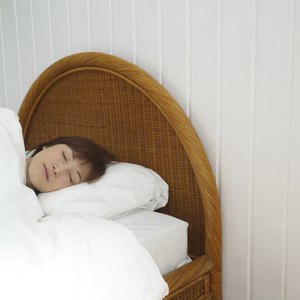
    • Pelvic joint pain causes you to feel pain in the right or left side of your lower back. The pain can vary between being a minor ache, to a sharper pain that can restrict your ability to move. Your buttocks and lower back may also hurt, as can the front of your groin area. People who have pelvic joint pain usually have trouble turning over in bed, putting on shoes and socks, and getting into and out of a car. There is also stiffness in your lower back when you stand after sitting for a long time and when you rise from bed in the morning.

    Types

    • There are four types of pelvic joint pain. One is traumatic pain, caused by sudden "jolts" on the joints. A common example of traumatic pain is falling and landing on your buttocks. Biomechanical pain is usually caused by low-speed car-collision injuries, muscle imbalances or chronically sitting in positions that cause your legs to be cramped. Pelvic joint pain associated with pregnancy is very common. The fourth type of pelvic joint pain is inflammatory. It causes your spine pain.

    Prevention/Solution

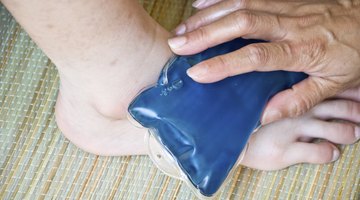
    • There are many ways to alleviate pelvic joint pain. One of the best ways to do so is by resting from any activities that cause you to feel the pain. Use a heating pad or take a hot shower to help soothe your muscles. Also, learn relaxation and stress management techniques. For inflammatory pelvic joint pain, medications such as ibuprofen have an anti-inflammatory quality that can help you heal.

    Considerations

    • If you experience persistent pelvic joint pain that becomes increasingly worse or lasts longer than one to three weeks, consult your doctor for medical advice. It is particularly important to consult with your doctor if you are considering taking anti-inflammatory medications. Your doctor will be able to recommend whether painkillers are appropriate and, if so, prescribe you the best possible painkillers. A doctor can also refer you to physical therapy, where you can learn specific exercises and activities that help strengthen the muscles surrounding your pelvic joints.

Related Searches:

References

You May Also Like

  • Sharp Pelvic Pain

    Sharp pelvic pain is usually an indicator that something is wrong in the pelvic area. There are many important systems in the...

  • Pelvic Instability & Back Pain

    The pelvic girdle is composed of the joints of the pelvis. Women may develop an instability in this area through childbirth or...

  • Posterior Pelvic Pain Treatments

    Posterior pelvic pain results from a dysfunction in the sacroiliac joint in the lower back. Pain can be mild or severe, temporary...

  • Sacroiliac Joint & Sciatic Pain

    Few people have heard of the sacroiliac joint, although it is the strongest, most functionally important joint in the entire human structure....

  • How to Compare Hip Muscle Pain to Joint Pain

    When you are experiencing pain around the hip area, it's often difficult to tell where it is coming from. It could be...

  • Adhesions & Pelvic Pain

    Adhesions formed as scar tissue develops from a serious injury or major surgery. Adhesions in the pelvic region are common with women...

  • Pelvic & Lower Back Pain

    Lower back pain and pain in your pelvis is unfortunately very common. But, determining what is causing the pain is not always...

  • What Is Sacoiliac Joint Pain?

    If you put your hand on the very bottom of your spine, you will feel a very large bone. This is known...

  • Symptoms of Joint Pain

    Joint pain can affect one or more joints, and it can also be caused by a variety of conditions and injuries to...

  • Postmenopausal Pelvic Pain

    Women who are post-menopausal shouldn't suffer from endometriosis but it can happen. Endometriosis can result in pelvic pain as can a number...

Related Ads

Featured