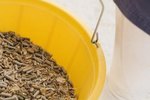

Horses like to break up mundane activities -- you may have seen your horse perk up on a trail ride after two solid weeks of arena work. It makes sense that he’d enjoy some variety in his diet, too. Even if he seems content with his regular menu, adding several ounces of vegetables a day has practical advantages. Vegetables add vitamins and minerals to the diet. And, if he gets a supplement or medication mixed with his feed that he doesn’t particularly like, adding vegetables can literally help the medicine go down.
Mealtime Vegetables
Naturally, you can feed carrots to your horse, but you have other choices to use as regular mealtime additions, at 1 to 2 pounds per feeding. Test your horse’s reaction to peas, green beans, lettuce, squash, beets -- including the beet greens -- celery, pumpkin, parsnip, cucumber and corn. If your horse has more exotic or eccentric tastes, he can have plantain or even potato chips. See if he likes dried bean varieties, as long as they’ve been cooked or heat-treated. Try pinto, fava or red beans.
Veggie Snacks
If your horse takes a liking to brussel sprouts, count this as one of the veggie choices you can feed him as a snack -- no more than 4 ounces per day. The list of vegetables he can have in smaller, snack-size quantities reads like a plateful of stuff kids won’t eat, but your horse might: collard greens, chard, kale, broccoli, turnips, spinach and radishes. Many horse owners give their horses garlic in some form, believing it to be an effective fly and insect repellent. In its whole form, though, you must keep the quantity small -- same with onions. Large amounts of either may cause your horse to develop anemia.
Unsafe Vegetables
Never feed a horse tomatoes or any type of peppers. Exercise extreme caution with rhubarb and avocado -- the plants, in particular. Both of these vegetable plants are extremely toxic to horses. The avocado skin and pit, or seed, is also toxic. However, according to a fact sheet distributed by Rutgers University Cooperative Extension service, rhubarb stems and avocado meat are okay in small quantities, less than two to four ounces a day. The ASPCA, however, cautions against feeding any parts of avocados to horses.
Potatoes and sweet potatoes are two vegetables for which effects on horses aren’t largely known. Their plants are toxic to horses, however, so don't risk feeding any part of them to horses until more information is available that they are safe.
How to Feed
You can mix your horse’s vegetables with his regular grain or feed them separately. Start with a small amount of each vegetable separately to check for allergies. He may need time to get used to the taste and consistency of some vegetables. Make the pieces large enough that your horse has to chew them; if you cut off your idea of bite-size pieces, you could discourage him from chewing, leading to a condition called choke. If your horse is older or has dental issues, consider combining the vegetables in a blender with water or a healthy liquid, such as aloe vera juice, and mixing the resulting liquid with his grain.
References
- Natural Horse Magazine: Naturally Healthy Horse Treats
- ASPCA: Avocado
- East County Large Animal Practice: Horse Treats: Can They Have More Than Carrots and Apples?
- The State University of New Jersey Rutgers Cooperative Extension, New Jersey Agricultural Experiment Station: Fact Sheet: Odd Things That Horses Eat
- ASPCA: Toxic and Non-Toxic Plant List -- Horses
Resources
Photo Credits
-
Nathan Allred/iStock/Getty Images
Writer Bio
Based in Central Texas, Karen S. Johnson is a marketing professional with more than 30 years' experience and specializes in business and equestrian topics. Her articles have appeared in several trade and business publications such as the Houston Chronicle. Johnson also co-authored a series of communications publications for the U.S. Agency for International Development. She holds a Bachelor of Science in speech from UT-Austin.