
Color Theory Education

People have experimented with color since prehistoric times. However, society did not properly understand how colors "worked" until Isaac Newton proved that colors come from white light. Color theory holds that primary colors blue, red and yellow form the basis of art and that one can use the theory to create aesthetically pleasing images. Color theory also applies to other fields such as business.

  1. History

    • The use of color goes back to the earliest humans, who thought they could gain power over animals by creating more realistic drawings, according to WetCanvas editor Roger Elliot. Modern color theory began in the late 1600s with Isaac Newton, who proved with a prism that white light breaks down into the colors of the spectrum, negating the previous belief that shades of light and darkness produce color.

    Basic Color Theory

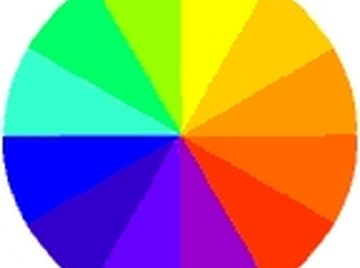
    • Sir Isaac Newton developed the basic color wheel, an illustration of common colors and hues. Three colors act as primary colors from which others are formed: blue, red and yellow. These can mix to form green, orange and purple, which are called secondary colors. Every other color, known as a hue, forms from a combination of primary and secondary colors.

    Teaching

    • Commonly accepted practice for teaching color is through foam sculptures and painting/coloring. EverydayArt recommends that you first discuss the importance of colors, then introduce the color wheel and basic color theory. After an introduction to color theory, then use colored foam boards to allow students to create "sculptures" with color schemes. Finally, have the student explain the use of color theory in the sculpture. According to EverydayArt, giving students drawing exercises not only gives them joy, but you can also provide instructions to use specific parts of color theory.

    Harmony

    • One of the ultimate goals of color theory calls for the creation of harmony within a piece, juxtaposing elements to create something that the mind enjoys. The human mind craves harmonic stimulation; something that is too "boring" does not create enough stimuli. In contrast, a chaotic, patternless figure is not something the mind can organize either. Common methods to create harmony with color theory include using colors on opposite sides of the color "wheel," or simply basing colors on nature.

    Artistic Application

    • Color theory acts as more than just a fundamental piece of education in the art world; it has real-life applications. Use of color theory is vital in interior design and architecture. According to a University of California at Berkeley extension course on color theory and its applications, color affects how we feel when entering a room, and a good grasp of color theory can "express" the emotion you want to give a space.

    Other Uses

    • The theory has influence beyond the art world. According to a study by the secretariat of the Seoul International Color Expo 2004, more than 90 percent of consumers rate visual appearance as the greatest factor in a purchase. A popular example of the benefits of color theory occurred when the popular Heinz brand of ketchup created the largest sales increase in company history by simply changing the color to green.

Related Searches:

References

Resources

  • Photo Credit "internet" is Copyrighted by Flickr user: procsilas (Procsilas Moscas) under the Creative Commons Attribution license.

Comments

You May Also Like

  • Light & Color Education Games

    Light dispels darkness and color represents life. Students exploring the world of light and color will discover new principles and learn to...

  • Alber's Color Theory

    Josef Albers (1888-1976) was a German-born abstract artist who sought to redefine art education through his development of color theory. Albers' principle...

  • History of Color Theory

    Color Theory is a formal approach that describes how colors mix together and interact with one another from a design perspective. The...

  • White Color Theory

    Color theory pertains to the artistic study and application of light and pigment colors that, when mixed properly, form additional colors. White...

  • How to Use Montessori Color Cards

    Montessori color cards, also known as Montessori color tablets, are used in a variety of preschool lessons for children as young as...

  • How to Use a Color Wheel When Painting

    Creating works of art can be much easier with the help of a color wheel. With this simple piece of equipment, you...

  • What Is Newton's Theory of Color?

    Sir Isaac Newton began trying to explain what he called the "phenomenon of colors" in the late 1660s. He experimented with light...

  • Color Blindness Theory

    The human eye and brain work together to translate light into color. For the color blind, the eye does not discern colors...

  • Art Color Theory Lesson

    Learning about color theory is the first step to understanding mixing and using colors, and how color works. By doing some beginning...

  • Why Study Color Theory?

    Mastering color theory gives you tools beyond mixing hues to accurately represent your ideas and subject matter. Understanding how colors work together...

  • How to Use Color Wonder Finger Paints

    The mere thought of finger-painting can strike fear in the hearts of parents everywhere. It's a lot of fun for the kids,...

  • High School Art Color Projects

    High school art focuses more on theory and history then younger grades. It is necessary to teach art and color theory to...

  • How to Teach Shapes and Colors to Infants

    A child's education begins at birth. The younger the child, the faster his learning development. As the child ages, his rate of...

  • Theories of Learning in Pre-Primary & Primary Schools

    Children learn differently and thus educators use a variety of teaching approaches. There are a variety of learning theories based on the...

  • Color Wheel Lesson Plan

    Teaching elementary students color theory doesn't have to be boring. Creating fun color-theory-based art can be accomplished in the classroom with a...

  • Color Theory for the Visual Artist

    Color Theory is utilized by artists to create color schemes in works of art. Colors are studied and manipulated to create a...

  • Legal Limitations of Color Copier Usage

    Color copiers are subject to certain provisions of copyright law. Users are not legally allowed to copy money or to photocopy any...

  • Primary Colors Montessori Activity

    Help your child learn primary colors with a color box Montessori material. Learn how to use color boxes in this free educational...

Related Ads

Featured