Cedar Vs. Redwood for Fencing

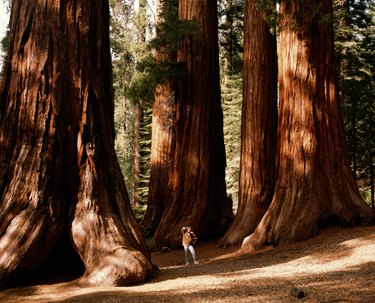
Cedar and redwood are two popular materials used for fencing. They are harvested from the cedar tree, which grows across much of the northeastern U.S. and Canada, and the redwood tree, which is found primarily on the west coast. Both of these woods have natural features that make them particularly well suited for fence construction and other outdoor uses. When comparing these materials, consider things like cost, maintenance and visual appeal to help make your final selection. Does this Spark an idea?

  1. Features

    • Both cedar and redwood contain natural oils and acids that stay in the wood long after it is harvested. These oils help the wood repel moisture and humidity, which can keep the fence from warping, rotting or twisting over time. The acid in the wood helps to keep bugs and termites away, which can further extend the life of your fence. While both redwood and cedar are strong and durable, redwood tends to be more dense, which protects it against weathering and splintering over time.

    Appearance

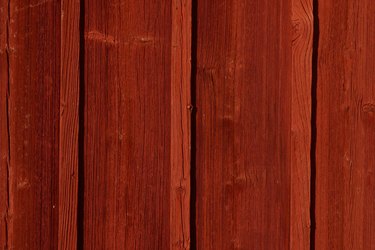
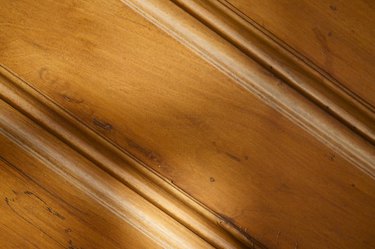
    • The appearance of these two wood products can differ depending on the type of each that is chosen. Redwood has a natural brownish-red hue, which gets darker when higher levels of heartwood are used. It has a very tight grain pattern and is usually free of knots and other flaws. Cedar can be red, white or yellow depending on the species. Red cedar is the most porous, and has a color similar to redwood. Yellow cedar has a golden coloring, while white cedar is very pale and has the tightest grain pattern of the three.

    Cost
    • In general, redwood fencing will be more expensive than cedar due to the relative scarcity of the redwood tree. This is especially true when it comes to wider versus narrow fence boards. White cedar is the most expensive of the three cedar varieties, while red is the most affordable. To keep your costs low, choose narrow panels of a lesser grade. You may have more knots and flaws, but these can be covered by paint if desired.

    Maintenance
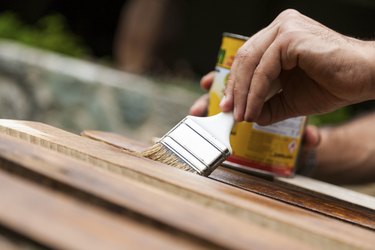
    • Cedar fencing requires a high level of maintenance. It tends to develop a silvery patina over time, which can be minimized by annual painting or staining. Redwood contains a higher level of natural oils, which helps protect the fence over time and reduces maintenance requirements. These oils can be a problem when it comes to painting, as they can keep the paint from being absorbed into the wood. If you plan to paint your fence, cedar is often the better choice.

    Considerations
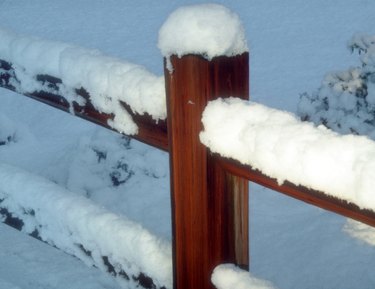
    • Redwood has a very unique ability to absorb and release moisture to stay in balance with the surrounding temperature and humidity levels. This ability to add or release moisture naturally helps redwood resist warping or swelling when exposed to high levels of rain or moisture. Because of this, redwood is often the better choice for fences built in coastal areas, or those subject to high levels of rain and snow. Cedar is more likely to swell or twist over time due to moisture exposure.

Related Searches:

References

Comments

You May Also Like

  • Cedar Vs. Redwood for a Deck

    Deck materials have a significant impact on the life and appearance of your final product. Common woods used for decks include cedar...

  • Cost to Build a Cedar Fence

    A fence can can add to the landscape of a backyard, help to ensure privacy, keep a pet inside a certain area,...

  • Redwood Fence Styles

    Redwood Fence Styles. Beauty and durability are two of the most sought-after qualities in fencing materials. The wood must be of high...

  • The Cost of Wood vs. Vinyl Fences

    When it comes to choosing a wood fence and determining the cost, there are a variety of options: cedar, redwood, chestnut, white...

  • How to Identify a Cedar Vs. a Redwood

    True cedars and redwoods are renowned as some of the world's most spectacular trees. In North America, however, conflicting terminology makes identification...

  • How to Compare Redwood and Cedar

    One of the first decisions you make when starting a new building project concerns the type of wood you plan to use....

  • How to Put Up Redwood Fence Panels

    Building your own fence is a great, cost-saving weekend project you can easily do yourself with relatively few materials. Putting up redwood...

  • Differences Between Cedar & Redwood

    Cedar and redwood are two similar lumber species that are often used in outdoor projects because of their ability to withstand the...

  • Redwood Vs. Pressure-Treated Wood

    Comments. You May Also Like. How to Compare Cedar Vs. Pressure Treated Wood. Cedar and pressure treated (also called green treated) lumber...

  • Vinyl vs. Cedar Fence

    Vinyl and cedar are two very different kinds of fence material. Both add value to property when installed correctly, but each kind...

  • Cedar Fence Treatment

    Cedar is a durable wood used as a fencing product that naturally stands strong against outdoor elements. Treatments aren't necessary to preserve...

  • How to Design a Redwood Fence

    It's tempting to decide to build a redwood fence and just choose a design that catches your eye. Before you start construction,...

  • How to Seal & Stain a Redwood Fence

    So you've finally finished putting up that redwood fence to secure your property. Redwood is a rich colored, beautiful wood that will...

  • Cedar Fence Ideas

    Cedar is often the wood of choice when building fences because of its durability and attractive look after years of weathering. Cedar...

  • Pine Wood Fence Vs. Cedar Wood Fence

    Wood fences are built around properties for many reasons. Some are best for security, some maintain privacy, while some are merely decorative....

  • The Best Wood Fences

    The best wood fences are made of naturally rot-resistant and pest-resistant lumber. Although many home improvement stores consistently offer inexpensive fir and...

Related Ads

Featured