Coumadin & Shellfish Effects

Coumadin is a common medication used to reduce blood clots. It's an important medication for individuals who are at risk for heart attack or stroke. Maintaining a healthy diet while taking Coumadin is very important, as vitamin K-laden foods have the potential to decrease the effects of the medication.

  1. What Is Coumadin?

    • Coumadin is a medically prescribed anticoagulant (blood thinner). Its purpose is to reduce the formation of blood clots. By blocking the synthesis of certain clotting factors, blood clots cannot form. Coumadin is normally prescribed to individuals who are at an increased risk for stroke, heart attack, and blood clots in the arteries and veins.

    Precautions

    • Individuals taking Coumadin will not form blood clots as quickly as other individuals. It's important not to take any aspirin, acetaminophen or NSAIDs (non-steroidal anti-inflammatory drugs), because they can affect bleeding and actually cause increased bleeding, particularly in the stomach and intestines.

      Coumadin is not for individuals with a bleeding disorder, blood cell disorder, stomach ulcers or stomach bleeding, or heart infection, or a history of aneurysm, blood clot or bleeding in the brain.

    Food and Drink to Avoid

    • In addition to not using certain medications, individuals taking Coumadin should avoid cranberries, cranberry juice and cranberry-containing herbal products. Alcohol should also be avoided, because it can increase some of Coumadin's side effects.

      It is also important to avoid foods that are high in vitamin K, as vitamin K is known to decrease the effects of Coumadin.

    Coumadin and Vitamin K

    • Vitamin K plays an essential role in assisting the liver in clotting. Coumadin works by blocking the clotting. An increased amount of vitamin K can interfere with Coumadin's blood-clotting effects, so individuals taking the medication must maintain a consistent amount of vitamin K and not drastically increase or decrease the amount in their daily diet.

      The FDA recommends that individuals on a daily 2,000 calorie diet have a daily intake of 80 micrograms of vitamin K. Your daily intake of vitamin K should not fluctuate greatly in either direction. You can speak to your physician about vitamin K foods that you enjoy, and he can use that information to aid in determining an appropriate dose of Coumadin.

    What Foods Are High in Vitamin K?

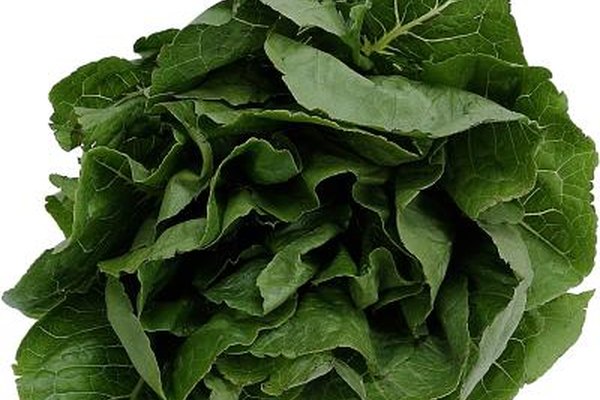
    • Foods to be avoided include green leafy vegetables such as spinach, cabbage and collards. Broccoli, brussel sprouts, liver, Swiss chard, many types of finned fish and other foods that contain large amounts of vitamin K should not be eaten.

      Coumadin's website features a chart that lists common foods and drinks and their portion sizes and the amount of vitamin K that is in each portion. You can use this list to guide you in maintaining a consistent amount of vitamin K.

    What about Shellfish?

    • Shellfish is a broad seafood term that includes crustaceans (creatures with elongated bodies and crust-like shells) and mollusks (soft-bodied invertebrates that are covered by 1- or 2-piece shells). Foods that are classified as shellfish include lobsters, crabs, shrimp, crayfish, prawns, limpets, snails, whelks, scallops, clams, oysters and mussels.

      Some shellfish products are fairly low in vitamin K. According to the chart on Coumadin's website, shrimp has virtually no vitamin K. And according to Vital Health Zone, lobster, crabs, crayfish and prawns also have little to no vitamin K. Scallops, clams and oysters also have minimal amounts of vitamin K.

Related Searches:

References

Resources

  • Photo Credit "Buey de Mar" is Copyrighted by Flickr user: FreeCat (José Antonio Gil Martínez) under the Creative Commons Attribution license.

You May Also Like

  • The Difference Between Prawns & Jumbo Shrimp

    While it may seem like a simple question, the answer to whether there is difference between prawns and and jumbo shrimp is...

  • What Is the Difference Between Coumadin & Heparin?

    Coumadin and Heparin are anti-coagulants, meaning they stop blood from clotting. They are used to treat conditions such as embolism and thrombosis....

  • Foods Without Vitamin K

    The human body requires a regular dose of a long list of vitamins and minerals in order to function as it should....

  • Vitamin K Foods to Avoid

    Vitamin K protects the heart by helping with blood clotting, and it builds strong bones. People taking blood thinners such as Coumadin...

  • Foods High in Vitamin K and Coumadin

    Coumadin is a very important medication that's prescribed to people who have an increased risk of forming blot clots in their body....

  • Vitamin K Foods That Interfere With Coumadin

    The drug Coumadin (also known as warfarin) is prescribed to people who have an increased risk of developing blood clots. It's important...

  • Adverse Effects of Glucosamine Chondroitin

    Crabs and lobster are common sources of glucosamine, posing a risk for severe allergic reactions in people allergic to shellfish. Because manufacturers...

  • Coumadin & Diabetes Diet

    Coumadin is a blood-thinning medication given primarily to patients who are at risk of stroke or heart disease due to blockages in...

  • Effects of Potassium Chloride and Coumadin

    Effects of Potassium Chloride and Coumadin. According to drugs.com, an online resource for drug information, potassium chloride is used to treat low...

  • Health & Nutrition: Cures for Low Bone Density

    A high bone density is essential for strong bones. Bone density is determined by how much calcium, phosphorus and other important minerals...

  • Vitamins Recommended for Senior Citizens

    Vitamins Recommended for Senior Citizens. Vitamins are important for healthy bodily functions. The human body cannot make vitamins (with the exception of...

  • Side Effects of Chitosan

    Chitosan is a supplement made of natural sugars found in shellfish such as crab, lobster and shrimp. Some people use chitosan for...

  • Alcohol Effects on Coumadin

    Coumadin is a blood thinner used to prevent a number of dangerous health problems. It can have side effects, and drinking alcohol...

  • What Type of Vitamins Help Fertility?

    Because medical fertility treatments can cost thousands of dollars per cycle, many couples trying to conceive seek to boost their fertility through...

  • How to Build Up White Blood Cells

    White blood cells play an important role in the body, as the cells ward off infection. If your white blood count becomes...

  • The Effects of Coumadin

    Coumadin is a prescription medication that is also know by the generic name warfarin. This medication is an anticoagulant, which means that...

  • Sources of Vitamins Information

    According to Colorado State University, vitamins cannot be synthesized in the body and are organic molecules that are necessary for life. Vitamins...

  • Vitamins in Diet

    Vitamins assist different parts of the body with everyday functions and growth processes. The body needs fat and water soluble vitamins. Fat...

Related Ads

Featured