Are Halogen Lights Dangerous?

Halogen light bulbs may last longer than traditional incandescent bulbs, but they have additional dangers associated with them. Compared to incandescent bulbs, halogen bulbs have a longer lifespan and are more energy efficient. Being aware of the dangers associated with halogen lights can help minimize the risks that come with using halogen light bulbs. Does this Spark an idea?

  1. Risks

    • There are a few types of things that can make halogen bulbs dangerous. These include heat, risk of explosion, being top heavy and the potential to ignite combustible liquids or fumes.

    High Heat

    • Halogen light bulbs can reach temperatures much higher than traditional light bulbs. According to the New York State Fire Administration, a 300 W halogen bulb can reach temperatures as high as 970 degrees F. This high level of heat generation can potentially cause ignition of combustible fluids or fumes nearby.

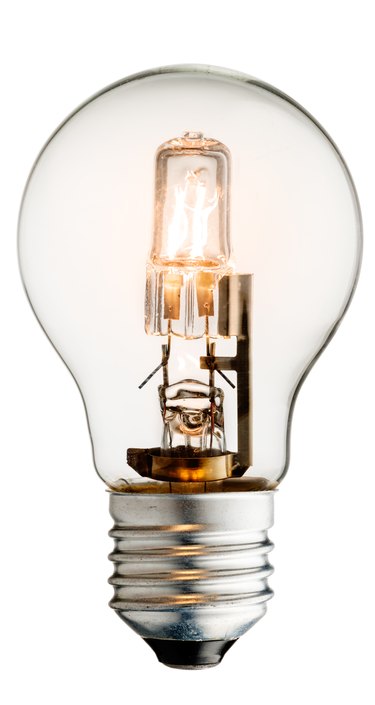
      Halogen bulbs are made with two layers of glass. The outer layer can become weakened by the oils present on human skin. The oil can interact with the bulb glass and weaken it. Over time, this could cause the bulb to explode.

    Heat Effects

    • The dangers associated with halogen bulbs can have adverse effects on those near the bulbs. The high heat can cause burns to the skin if touched. Weakened outer glass can cause explosions that can injure those nearby. Fabrics and nearby items could catch on fire if the bulb explodes or if the bulb is left on too close to flammable items.

    Rapid Ignition

    • A study conducted by the New York State Fire Administration and the Secretary of State found that just the heat generated by halogen bulbs can quickly cause a fire. Various items were placed over a halogen lamp in this test. Results include a polyester/cotton shirt burning in 24 seconds. Cardboard ignited in 1 minute 17 seconds, and a piece of pine wood caught fire in 1 minute 43 seconds, according to the study results.

    Prevention

    • You can take steps to reduce the risk that halogen bulbs present. Place lamps in areas where they won't get knocked over or bumped into. Keep fabric, wood and other flammable items away from the light. Nothing should ever impede air flow around the bulb. Turn off the lamps when not in use, and avoid direct contact with the bulb except when changing the bulb.

Related Searches:

References

Comments

You May Also Like

  • Halogen Light Bulb Dangers

    Though halogen light bulbs are used in many ways, the main culprit of the fires is the halogen torchiere lamp, an in-home...

  • Dangers of Halogen Light Bulbs

    Halogen light bulbs offer energy and cost savings over traditional incandescent bulbs, but not without risks. Halogen bulbs burn at temperatures far...

  • Halogen Lights & Energy Efficiency

    As a type of incandescent lighting, tungsten-halogen bulbs produce a lot of heat as well as light. Their energy efficiency does not...

  • How to Change a Halogen Bulb

    Homeowners are replacing their old-fashioned incandescent bulbs with halogen bulbs. Halogen bulbs cast a brighter, whiter light than the yellow tint given...

  • What Is a Halogen Light Bulb?

    A Halogen light bulb is a type of incandescent bulb that looks and functions similarly to traditional incandescent light bulbs, but has...

  • What Is Halogen Lighting?

    Halogen lights are a popular replacement for the traditional incandescent bulb. Their bright white light makes halogen lamps an energy-efficient choice for...

  • Dangers of a Broken Halogen Light Bulb

    Halogen bulbs operate most efficiently at extremely hot temperatures and are built to withstand intense heat and pressure. Structural integrity of the...

  • Halogen Bulb Safety

    A halogen bulb is a high-efficiency incandescent lamp that uses a tungsten filament inside a transparent envelope. This envelope is filled with...

  • What Are the Dangers of High Heat Halogen Lamps?

    What Are the Dangers of High Heat Halogen Lamps?. Halogen lamps are popular because of their bright light output and relatively cheaper...

  • Broken Halogen Lightbulb Dangers for Small Dogs

    Broken lightbulbs of any kind present a danger to dogs of all sizes. Glass from a broken halogen bulb may be stepped...

  • How to Replace a Halogen Bulb in an Interior Light Fixture

    Most interior halogen fixtures in use today are small spot lights or pendant lights. The halogen bulb was patented by General Electric...

  • About Halogen Lights Pros & Cons

    While halogen lights have the same tungsten filament as incandescent bulbs, halogen lights contain halogen gas. With incandescent bulbs, the heat melts...

  • The Pros & Cons of Halogen Light Bulbs

    Halogen light bulbs offer some benefits, as well as notable drawbacks, when compared to standard incandescent light bulbs or compact fluorescent light...

  • What Are the Dangers of LED Lights?

    LED lights are becoming very popular in a wide range of industries and products. They have very long lifespans compared to other...

  • UV Qualities of Halogen Lamps

    Halogen lamps gained widespread popularity in the late 1980's. Inexpensive and efficient, they provided a greater amount of light than other kinds...

  • What Is a Halogen Hob?

    A halogen hob is an electric range top or counter stove featuring cooking surfaces made of a smooth quartz and ceramic material...

  • How to Remove Halogen Bulbs

    Many consumers have switched to halogen bulbs to conserve energy and save money and time. Halogen lights burn longer and create purer,...

  • Why Not to Touch Halogen Glass Bulbs

    Halogen bulbs provide an clean and bright light for several uses, including high intensity reading lamps, spotlights and decorator lighting. But the...

  • What Are the Dangers of Torchiere Lamps?

    Although modern torchiere lamps with standard light bulbs are considered safe, older halogen torchiere floor lamps can present a fire hazard. According...

Related Ads

Featured