Termites are social insects that can be found in most parts of the world. Though they are largely known for the destructive behavior in relation to wood structures, termites are involved with many other aspects of human life.
These roles vary from being part of many culture's diets, to possibly shedding light on the future of green renewable energy.
Subterranean Termites
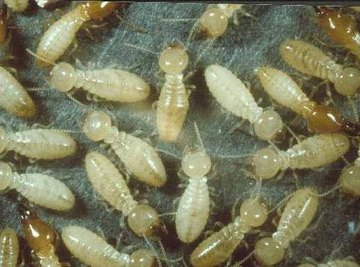
Subterranean termites are the most common variety of termites in the United States and are believed to create billions of dollars of damage throughout the country. The subterranean termite lives in caste systems numbering in the millions within a single colony. Living as a caste system means that termites are born into specific jobs, and as such vary in their look dependent on the duties they perform within the colony.
The basic worker termite within the colony is usually around a quarter of an inch long and is a light tan color. The reproductive agents of the colony look similar to the worker except have short wings, however they cannot fly. Finally, the soldier termite has a longer head and mandibles that help it work to protect the colony.
Drywood Termites
Drywood termites do not commit as much damage as subterranean termites, but still cause their share of structure damage throughout the United States. Drywood termites are larger than Subterranean Termites at about one half of an inch in length, with a light cream body and a dark head.
In fact, many times the termite is called the "white ant" because of the light color of the body and how similar in structure it is to the ant. Drywood termites do not have a caste system and all look alike. Colonies usually stay near 3,000 termites.
Habitat
The subterranean termite can be found largely underground near wooden structures or wooded areas. The termites build mud tubes from the dirt to their food source above ground. They also thrive in areas where moist wood can be found.
The drywood termite as the name implies, live in dry wood. Most commonly they can be found in attic spaces and wood beams in foundations. Small piles of sawdust are often signs of a drywood termite infestation.
Damage
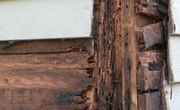
Because termites prefer to be concealed and not in the open, damage is usually already severe before manifestations of an infestation present themselves. Termites use wood as a vital and regular part of their diet. Since termite colonies can number in the millions, it does not take long for a colony to do massive damage to a structure.
Termite barriers such as poisoned soil or termite resistant materials can be an effective way to prevent termites. Many commercial poisons are also available on the market to combat a termite invasion.
Uses
Termites have long been a nuisance for residential and commercial areas of the United States. However, termites have many other uses throughout the rest of the world. In some countries, termites are an important staple of the human diet. Termites have also been found to help locate water sources in India. Since subterranean termites need moisture to survive, termite hills are often found next to hidden water sources throughout India.
Termites are also currently being researched for their ability to create energy using metagenomics. Metagenomics is the study of genetic material gained directly from the environment. Termites have the unique ability to produce hydrogen in their stomachs during digestion.
They then turn around and use the hydrogen as energy to fuel their body. Using the principles of metagenomics, some scientists believe that they may be able to reproduce the termites digestive process to create hydrogen for use as a clean, renewable, commercial power source (DOE/Joint Genome Institute, 2006).
References
- University of Florida Institute of Food and Agricultural Science: Termites in Florida
- University of Kentucky College of Agriculture, Food and Environment: Termite Control: Answers for Homeowners
- University of California Statewide Integrated Pest Management Program: Subterranean and Other Termites
- National Research Council: The New Science of Metagenomics
Resources
About the Author
Chris Sherwood is a professional journalist who after years in the health administration field and writing health and wellness articles turned towards organic sustainable gardening and food education. He now owns and operates an organic-method small farm focusing his research and writing on both organic gardening methods and hydroponics.
Photo Credits
http://timberlandpestcontrol.com