Both cobras and rattlesnakes are dangerous and efficient predators. Both snakes can deliver fatal bites to humans, but they have different types of venom. Although the snakes are similar in the danger their bites present, there are some key features differentiating them.
General Information
Cobras come from the genus Naja, which is the most widespread group of snakes. There are approximately 20 to 22 species of cobras. They inhabit Africa, India, Southeastern Asia, Indonesia and the Middle East.
Rattlesnakes are of the genera Crotalus and Sistrurus. About 30 species of rattlesnakes are known. Rattlesnakes are primarily concentrated in the southwestern United States but species are present to the north and south of this area in diminishing numbers.
Appearance
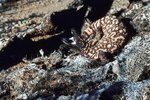
The rattle on the end of their bodies characterizes rattlesnakes most prominently. These rattles are used as a warning signal to potential predators. Rattlesnakes are a type of snake called a pit viper, characterized by heat sensing openings beneath their noses. They have broad triangle-shaped heads and cat-like pupils. Their bodies tend to be thick and heavy in appearance. They have large fangs that fold out when their mouths open. The mouth is hinged and can open as wide as 180 degrees. The average size of a rattlesnake is between 3 and 4 feet long.
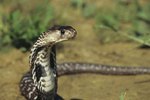
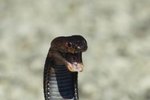
Cobras are long slender snakes. They have an average length of between 4 and 6 feet, although many species can grow to be much longer than this, most notably is the king cobra, which has an average full-grown body size of 18 to 20 feet. The most unusual feature of cobras is the hood behind their heads. This is a result of an extension of the ribs and is used much like the rattlesnake’s rattle.
Reproduction
Both cobras and rattlesnakes have unique reproductive features. Rattlesnakes are ovoviviparous or viviparous. This means the female rattlesnake either holds the eggs within her body and they hatch as they are laid or she gives live birth. As soon as baby rattlesnakes are born, they are ready to begin life without any parental care.
Cobras are unique from any other snake in the world in that they build nests for their young. Like most other snakes, cobras are oviparous. They lay between 20 and 40 eggs in a nest and the female cobra guards the nest for the incubation time lasting between 60 and 90 days. Newborn cobras are about 50cm long and are known as hatchlings. Cobras are born with the full strength of their venom.
Toxicity
Both rattlesnakes and cobras are venomous. Rattlesnakes have hemotoxic venom. This venom destroys tissue, degenerates organs and disrupts blood clotting. Without treatment, a rattlesnake bite to a human can result in the loss of a limb or death.
All species of cobra can also deliver a fatal bite to a human being. Cobras have strong neurotoxic venom that attacks the nervous system and causes paralysis. Some species of cobra also have venom with hemotoxic features and some species posses the unique ability to spit their venom.
Antivenin
Neither cobra bites nor rattlesnake bites can be cured by suction and should be treated immediately by antivenin. Antivenin exists for both species and is made from the snake’s own venom.
References
Resources