What Are the Benefits of Extra Virgin Olive Oil Soap?
Many culinary experts recognize the health benefits of using extra-virgin olive oil in cooking. But this oil's same healthful properties--antioxidants and much more--can also beautify the outside of your body in the form of extra-virgin olive oil soap.
-
Skin protection through antioxidants
-
Extra-virgin olive oil contains a high level of antioxidants that help protect your skin.
Extra-virgin olive oil contains a high level of antioxidants--molecules that slow and even prevent the oxidation of other molecules. Oxidation can produce free radicals, a substance that many scientists believe damages cells. Because extra-virgin olive oil comes from the first pressing of the olive--using no heat or chemicals for extraction--it's closest to its natural state and retains most of its healthful properties. Antioxidants applied to the skin can help repair damaged cells and restore the skin's vitality.
Anti-inflammatory properties of extra-virgin olive oil soap
-
Extra-virgin olive oil is reputed to have anti-inflammatory properties.
Extra-virgin olive oil also contains a natural chemical called oleocanthal, which scientists believe acts as a painkiller in the same way that non-steroidal anti-inflammatory drugs (NSAIDs) work. Therefore, extra-virgin olive oil soap applied to the skin can help reduce inflammation. Extra-virgin olive oil is known to help improve skin conditions such as psoriasis and eczema. Many researchers equate the effects of applying extra-virgin olive oil to using ibuprofen.
Is extra-virgin olive oil soap anti-microbial?
-
Scientists say extra-virgin olive oil has anti-microbial properties on some types of bacteria.
Terra Rossa, a United Kingdom-based olive oil importer, notes that "olive polyphenols have been demonstrated to inhibit or delay the rate of growth of bacteria such as salmonella, cholera, staphylococcus, pseudomonas and influenza in vitro." As a result, people can reap the same benefits for their skin by using extra-virgin olive oil soap.
Soap that won't clog your pores
-
Extra-virgin olive oil soap is non-comedogenic.
Because extra-virgin olive oil slows the oxidation process, it won't clog your skin's pores. The skin has a certain PH balance, and extra-virgin olive oil soap has been shown to help maintain a correct alkaline/acidic balance. People who suffer from acne often use extra-virgin olive oil soap to help reduce and erase blemishes.
Does extra-virgin olive oil soap protect against skin cancer?
-
Skin cancer cases are low in the Mediterranean region - perhaps due to extra-virgin olive oil soap.
Gustiamo, an Italian food seller, explains that some researchers believe that soaps made with extra-virgin olive oil may help reduce the number of cases of skin cancer --noting that skin cancer rates are extremely low in Mediterranean countries, where olive oil is used prevalently. Vitalis News reported in October 2007 that consuming extra-virgin olive oil may even help fight breast cancer.
How purchasing organic extra-virgin olive oil soap helps the environment
-
"Organic" refers to naturally grown and harvested ingredients.
Many soaps on the market today are made with chemicals and other substances that may sound unfamiliar to you. Organic extra-virgin olive oil soap, however, contains ingredients that have been produced without herbicides, pesticides, or chemical fertilizers. Also, organic ingredients are gentle for sensitive skin. And generally, organic products are never tested on animals. Purchasing extra-virgin olive oil soap made from organic, locally grown ingredients also helps reduce toxins in areas of the earth and benefits local farmers.
Warning: how to care for your extra-virgin olive oil soap
-
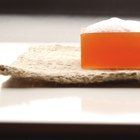
Place soap on a soap dish after use to help the soap last longer.
Always use a soap dish to store your soap after washing with extra-virgin olive oil soap. Otherwise, if your soap bar remains in a puddle of water, the soap will eventually turn to mush and wash away. Keep your soap as dry as possible between uses. It's also best to store your soap in a linen closet or in an area away from the bathroom because of humidity that occurs when bathing.
-
Related Searches
References
Resources
- Photo Credit Lisanne Jensen, foodistablog: Flickr.com, Thomas Ricker: Flickr.com, Orin Zebest: Flickr.com, borkur.net: Flickr.com, certified su: Flickr.com, Hobvias Sudoneighm: Flickr.com, Lisanne Jensen