
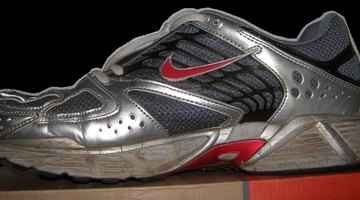

Nike is one of the largest athletic shoe brands in the world. While the company sells millions of shoes and pieces of clothing each year, Nike does not produce any of these products. Instead, the company contracts with manufacturing facilities located throughout the world. Nearly 800,000 people work in these factories, located primarily in Asia. Since the 1990s, the company has been criticized for the working conditions and low wages at these factories, with many critics accusing the company of profiting from sweatshop labor. While Nike has made efforts to improve conditions, many rights groups still push for higher wages and greater change.
History
When Nike was founded in 1972, the company contracted with factories in Taiwan and South Korea to manufacturer shoes and related goods. Over the next two decades, workers in these countries successfully lobbied their governments to win improved wages and the right to form labor unions. Faced with these new challenges, Nike moved much of their production to countries like China, Indonesia, and Vietnam, where it is illegal for workers to organize, and where wage rates are some of the lowest in the world.
The Nike Campaign
By the 1990s, disturbing stories were coming from many of the Nike factories throughout the world. Some described child labor, wages well below the poverty level and forced overtime. Others told of physical abuse from factory overseers, exposure to dangerous chemicals and poor air quality. These stories drew the attention of human rights groups, which began to bring media attention to these stories, hoping that pressure from the public could bring about change. Groups such as Education for Justice, Global Exchange and Students Against Sweatshop Labor led the effort against Nike. It is important to understand that the use of sweatshops was not then, and is still not, something that only Nike engages in. While many shoe and apparel manufacturer's are accused of using sweatshops, human rights groups have focused their efforts on Nike, because of Nike's role as the sales leader in the industry. Groups like Global Exchange hope that by pressuring Nike to change, other companies will be motivated to change their own practices.
Worker Protests
Along with the campaigns of human right's groups, Nike began to see protests from the factory workers themselves. While Indonesia, China, and Vietnam all have minimum wage laws on the books, Nike had successfully appealed these wages with the governments of these countries year after year, allowing them to pay wages well below the minimum rate. Nike further circumvented wage laws by paying new employees an apprentice rate for several months into an employee's tenure. In April 1997, more than 10,000 workers from Nike's Indonesian factories went on strike to protest low and unpaid wages, while 1,300 workers in Vietnam went on strike hoping for a raise of one cent per hour. The next year, 3,000 Nike workers in China protested dangerous working conditions and low wages. All of these protests took place in spite of the fact that these sorts of worker strikes are illegal in these countries.
Nike Makes Improvements
As pressure from the public and human rights groups began to mount, Nike made efforts to improve working conditions for its contracted workers. In 1998, dangerous petroleum-based chemicals used in most factories were replaced by less harmful alternatives. In 1999, wages in the Indonesian factories were increased to rates higher than minimum wage. The company also agreed to allow random factory inspections from the Fair Labor Association, and to set up independent monitoring with both US and international organizations. Finally, Nike added its own on-staff team of nearly one hundred workers who are responsible for performing inspections of the company's partner factories. Inspectors must score the factory on factors ranging from employee safety to humane working conditions. They then meet with factory managers to address problems that were found.
New Standards
In 2002, Nike issued a company Code of Conduct to all its factories, regulating the conditions and safety requirements that work should be conducted by. The company's 2004 Responsibility Report established further health and labor standards, and described increased monitoring plans. This 2004 report was considered a major victory for workers and many human right's groups, because Nike included a full list of its factories and their addresses throughout the world. This has allowed for independent monitoring and investigations. While these were perceived as positive efforts on Nike's part, the human rights campaign against the company have not ended. According to the Educating for Justice group, between 50 and 100 percent of Nike factories require more working hours than those permitted by the Code of Conduct. In 25 to 50 percent of factories, workers are required to work 7 days a week, and in the same percentage of factories, workers are still paid less than the local minimum wage.
Related Articles




References
Writer Bio
Emily Beach works in the commercial construction industry in Maryland. She received her LEED accreditation from the U.S. Green Building Council in 2008 and is in the process of working towards an Architectural Hardware Consultant certification from the Door and Hardware Institute. She received a bachelor's degree in economics and management from Goucher College in Towson, Maryland.