

Types of Crystal

Whether it's a $10 bottle of rosé or your finest bottle of champagne, nothing says “classy” like sipping from an elegant crystal glass. Most people's cupboards are filled with drinkware made of glass, and although crystal is a form of glass, not all glass is crystal. Crystal is much more delicate, heavier and carries that special status symbol.
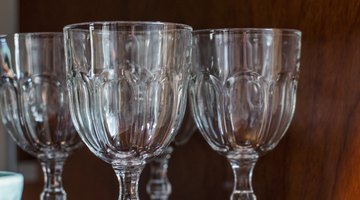
Identifying Real Crystal
The easiest and most effective way to identify lead crystal from typical glassware is by tapping it gently with a knife—if it makes a clear chiming sound, chances are it’s real crystal. Interestingly enough, the lead content is what makes the sound possible, and the more lead, the longer and clearer the tone. Common glass, on the other hand, tends to make a dull clunk when struck.
There are a couple other ways of identifying real crystal. Crystal is heavier than glass due to its lead content, but glass is often thicker to the touch. A delicate, paper-thin rim indicates the piece is crystal, since it can be blown thinner than glass. Visually, you can identify crystal by its clarity. If your glass creates a rainbow effect when held up to the light, it is most likely crystal.
Lead Crystal
True crystal contains lead, which gives your drinkware its brilliance and shine and distinguishes it from common glass. Standard lead crystal needs to be at least 24 percent lead, and full lead crystal has a lead content of 30 percent or greater. The higher the percentage, the more brilliant that beloved sparkle. You'll mostly find lead crystal used for drinking glasses, ornaments, decanters and jewelry. It's a lovely choice for decorative pieces due to its distinguished luster.
Lead-Free Crystal
Technically, lead-free crystal isn’t actually authentic crystal. However, this alternative shines just as bright to the common eye and is a safer drinkware alternative. Crystal decanters were popular once upon a time, but storing beverages in lead can be dangerous, as the body ends up absorbing that lead when you pour yourself a drink. Since lead is typically what gives crystal its lustrous shine, barium oxide, zinc oxide or potassium oxide is used in place of it for the lead-free variety.
A Gentle Warning
Because of the high lead content in crystal glasses and decanters, it is advised that storing wine or spirits in a crystal decanter for a prolonged period of time may result in trace amounts of lead seepage from the crystal into the liquid. However, short-term use of crystal, such as drinking a glass of wine with a meal, isn't considered dangerous.
Check out this related video from Homesteady on Youtube.
References
Writer Bio
Emily Vasquez is a writer who has been published in Martha Stewart Living and has written for Ashley Furniture, Chewy and various small businesses. When she's not typing away at her laptop or strategizing content at her day job, you can find her on her yoga mat, swinging on aerial silks, or baking. She wants to do it all, and believes that she can with a cup of coffee and a color-coded to-do list.
More Articles

