
In its natural form, methane gas has no color or odor. This makes methane gas exposure particularly concerning, because you might not even realize it's occurring until it reaches the point of methane poisoning. Is methane gas dangerous? Potentially. But how likely are you to encounter it? What are the symptoms of methane poisoning? And is methane bad for the environment?
Is Methane Gas Dangerous?
Methane gas exposure can cause health problems under a few specific circumstances. You face the greatest danger when exposed to concentrated quantities of the gas, or if you've been exposed for extended periods of time. The term methane poisoning is a bit of a misnomer. Is methane toxic? Not quite – instead, it acts as an asphyxiant, depriving your body of much-needed oxygen.
Methane Poisoning Symptoms
If you think you or your family might have been exposed to methane gas or even have methane gas poisoning, you might experience the following symptoms:
- Fainting, fatigue, weakness or collapse
- Rapid breathing and/or heart rate, shortness of breath
- Dizzy spells or overall increase in 'clumsy' behavior
- Memory loss or abnormal emotions
- Impaired vision, particularly in low-light environments
- Convulsions
- Death
What to Do if You Think You Have Methane Poisoning
If you think you or a family member might have methane poisoning or could be exposed to dangerous levels of methane gas, you should first assess their symptoms. Immediately move the person or assist them in moving to an open, well-ventilated area to get as much oxygen as possible. Once you've moved them to a safe location, seek immediate professional medical assistance and alert any necessary authorities to test the area for gas leaks.
Is Methane Bad for the Environment?
Methane doesn't just adversely impact human health, it also poses a danger to the environment. Methane is one of several greenhouse gases that contribute to the greenhouse effect that causes global warming and climate change. Greenhouse gases effectively create a layer of insulation in the atmosphere. That insulation allows heat to enter the planet's atmosphere, but reflects the rays back towards the earth rather than letting them escape again. This increases the overall global temperature.
Methane is the second most prevalent greenhouse gas, after carbon dioxide. Approximately 80% of greenhouse gases come from carbon dioxide emissions, 10% from methane and the remaining 10% from various other sources.
Where Does Methane Gas Come From?
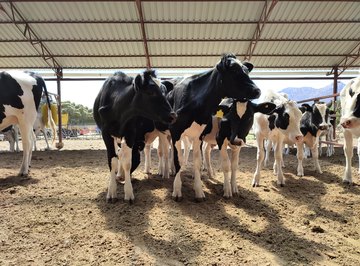
Several different human activities produce methane gas. When companies produce oil, coal and natural gas, those production gases create and release methane as a byproduct. Livestock and farming also produce large quantities of methane gas, with cow flatulence famously causing large volumes of methane emissions. In reality, much of the methane emissions resulting from cattle come from belches during the process of chewing cud.
Cattle account for approximately 4% of greenhouses gases through their emissions. This comes in large part from companies streamlining and increasing efficiency in cattle production. In the 1970s companies had to produce approximately 140 million head of cattle to meet demand. Nowadays, companies produce just 90 million head of cattle, and that amount results in more meat than was produced in the 1970s.
How Reducing Methane Emissions Can Help the Environment
Is methane bad for the environment? Yes. Is it the worst form of pollution? Not exactly. But researchers believe that cutting methane emissions could drastically improve global climate change in a surprisingly cost-effective way. Methane does not last nearly as long as carbon dioxide does in the atmosphere, but it traps much more heat than carbon dioxide does. This means that reducing methane emissions can prove extremely effective in reducing the greenhouse effect quickly.
References
- United States Environmental Protection Agency: Overview of Greenhouse Gases
- University of California, Davis: Cows and Climate Change - Making Cattle More Sustainable
- Environmental Defense Fund: Methane, a Crucial Opportunity in the Climate Fight
- United Nations Environment Programme: Global Methane Assessment
- NevadaNano: The Dangers of Methane Gas Poisoning and Exposure
About the Author
Marina Somma is a freelance writer and animal trainer. She holds a B.A. in Psychology and a B.S. in Marine and Environmental Biology & Policy from Monmouth University. Marina has worked with a number of publications involving animal science, behavior and training, including animals.net, SmallDogsAcademy and more.