Soy Protein Concentrate Vs. Soy Protein Isolate
Both soy protein concentrates and soy protein isolates are highly-refined and processed forms of the soy bean, a legume naturally high in protein 2. For this reason, soy beans and soy products such as soy protein concentrates and soy protein isolates are a popular protein source among vegetarians and vegans 2.
Soy Protein Concentrate
Soy protein concentrate is made by first removing all the fat naturally contained in soy beans 2. After the soy beans have been defatted, all non-protein components that are water-soluble are then removed 2. The result is a concentration of soy protein with some other components, such as carbohydrates and fiber 2.
Soy Protein Isolate
Kraft Macaroni & Cheese Nutrition Information
Learn More
Soy protein isolate is made much the same way as soy protein concentrate, except all non-protein components, including carbohydrates and fiber, are removed from the defatted soy beans 2. The resulting product is almost all protein, making soy protein isolate a more pure protein than soy protein concentrate 2.
Taste
Since only water-soluble components have been removed in the making of soy protein concentrate, the end result still tastes much like the original soy bean 2. Soy protein isolate on the other hand is virtually flavorless since the natural bean flavors have also been removed during processing 2.
Protein Amounts
Side Effects of Polydextrose
Learn More
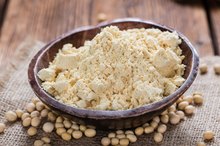
Soy protein concentrate contains at least 65 percent protein on a dry basis whereas soy protein isolate is 90 percent protein basis 2. In other words, soy protein concentrate powders are 65 percent protein and soy protein isolate powders are 90 percent protein 2.
Uses
Soy protein isolates are commonly used in dietary supplements such as protein powders, while soy protein isolates are used in many commercial foods to enhance nutritional values 2.
Related Articles
Kraft Macaroni & Cheese Nutrition Information
Learn More
Side Effects of Polydextrose
Learn More
Are Soybeans Protein or Carbohydrate?
Learn More
Soy Nuts Vs. Edamame
Learn More
Chia Seeds & Amino Acids
Learn More

How Many Calories Are in Malt Liquor?
Learn More
Tribulus Terrestris & Weight Loss
Learn More
Nutritional Information of Beef Ribs
Learn More
The Benefits and Drawbacks of Soy Protein Powder in Women
Learn More
Flan Nutrition Information
Learn More
References
Writer Bio
Lindsay Nixon has been writing since 2007. Her work has appeared in "Vegetarian Times," "Women's Health Magazine" and online for The Huffington Post. She is also a published author, lawyer and certified personal trainer. Nixon has two Bachelors of Arts in classics and communications from the College of Charleston and a Juris Doctor from the New England School of Law.