Anti-Inflammatory vs. Inflammatory Foods
Forty-six million Americans---that's one out of every six people---living in the United States today have arthritis or an arthritis-related condition. And for many of those people, inflammation is the most painful part of their condition. Choosing the right foods---and avoiding the wrong ones---can go a long way toward controlling inflammation and its associated pain.
-
The Facts
-
Inflammation in the body occurs whenever the white blood cells go to battle against a foreign element in the body. In most cases, this isn't a bad thing; our white cells help protect our body from viruses and bacteria that can cause serious illness, and inflammation is just a side effect.
For people who have certain health conditions though---including rheumatoid arthritis, tendinitis, bursitis, gout or polymyalgia rheumatica---the body's white cells attack normal, healthy body tissue as though it's a foreign element, causing redness, swelling, pain and stiffness, especially in the joints. Long-term inflammation can cause permanent reduction in joint function.
Inflammatory Foods
-
Some foods seems to increase inflammation, meaning that people who suffer from inflammation-related pain should avoid them or eat them in moderation.
Omega-6 fatty acids, found in corn, sunflower, safflower, soybean and cottonseed oil, can make inflammation-causing cyclooxygenase-2 enzymes---also known as COX-2 enzymes---more active in your body, increasing pain levels. These fatty acids are common in fried foods, snack foods, margarine, egg yolks and meats, so eating too many of these foods can make inflammation more likely.
Nightshade vegetables, including potatoes, tomatoes and eggplants, may increase inflammation in some people because of their high solanine content, though medical studies have been unable to confirm this.
Foods with high sugar content are also associated with inflammation.
-
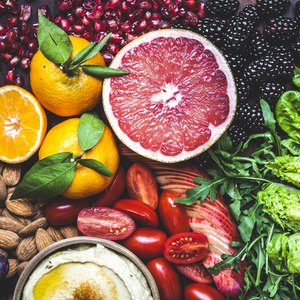
Anti-Inflammatory Foods
-
One of the best anti-inflammatory food sources comes from omega-3 fatty acids. Unlike omega-6 fatty acids, which seem to promote inflammation, omega-3 fatty acids have a powerful anti-inflammatory effect. The best source of omega-3 fatty acids is fatty fish, including salmon, tuna and mackerel. Omega-3 fatty acids are also found in walnuts, flaxseed and canola oil.
Fiber can also help reduce inflammation. Scientists at Germany's Federal Research Center for Nutrition found that people who increased their fiber intake to eight servings a day reduced one of the blood indicators of inflammation by about one-third.
A compound in olive oil called oleocanthal can also help reduce inflammation and pain in much the same way that common arthritis medications do: by slowing down the body's production of inflammation-causing COX-1 and COX-2 enzymes.
Research from the Harvard School of Public Health showed that strawberries lowered blood indicators for inflammation by 14 percent when test subjects consumed 16 or more of the berries each week.
Temperature
-
The temperature at which you cook your food may also affect its inflammation potential. A study at the Mount Sinai School of Medicine in New York found that when certain foods were cooked at very high temperatures, they tended to produce inflammation-causing compounds in the body. Meats and proteins were the biggest culprits, so minimize the number of grilled, fried and microwaved meats you consume.
Considerations
-
Most people need medication to help control chronic inflammation and can't manage their discomfort with just diet.
You should always check with your rheumatologist or doctor before undertaking any diet plan.
-
References
- Photo Credit Shutterstock.com