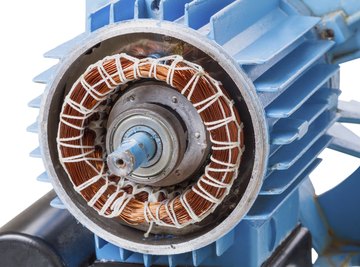

An electromagnet is a magnet whose magnetic field is created when electricity is flowing. This type of magnet is different from the common refrigerator magnet used for decorating and hanging things up. A refrigerator magnet is a type of permanent magnet. Permanent magnets are made of magnetic material that continuously emits a magnetic field. Electromagnets are built and produce a magnetic field only when needed. Their power and versatility make them suitable for a wide range of uses.
Electromagnet History
A Danish scientist named Hans Oersted first discovered electromagnetism in 1819. The discovery happened when Oersted noticed the needle on a magnetic compass moved if it was near a straight wire carrying electricity. Before his discovery, electricity and magnetism were thought to be completely separate phenomena. An English physicist named William Sturgeon used this information to produce the first useable electromagnet in 1825. His seven-ounce magnet was able to support a piece of iron weighing nine pounds. The next early pioneer was American scientist Joseph Henry, who improved on Sturgeon's design and created a 21-pound magnet that was capable of supporting a 750-pound weight.
How Electromagnets Work
An electromagnet is created by coiling a conductive wire around a core made out of materials like iron, nickel or cobalt. These materials are used because they are easy to magnetize. Flowing electricity produces a magnetic field that encircles the wire carrying the electric current. As long as the electricity continues to flow, the magnetic field will continue to surround the coiled wire. A number of factors can affect the strength of the magnetic field. The magnetic core concentrates the field made by the coiled wire, making the electromagnet more powerful. Using proper core material, increasing the loops of wire coiled around the core and increasing the electric current traveling through the wires are all ways to strengthen the electromagnetic field.
Electromagnet Advantages
The versatility of electromagnets is an advantage they have over permanent magnets. Factors contributing to electromagnets' versatility include adjustable strength, greater control over the magnetic field and durability. An advantage of electromagnets is that they can produce much more powerful magnetic fields than permanent magnets. The power of a single electromagnet can be adjusted simply by changing the amount of current it receives, whereas the strength of a permanent magnet is bound to its material makeup. The adjustable-strength magnetic field can also be turned off, unlike a permanent magnet that is always producing a magnetic field. Lastly, the strength of permanent magnets naturally wears off over time. This process is sped up by exposure to extreme temperatures or wet conditions that cause corrosion.
Electromagnet Uses
Electromagnets have a wide range of uses. Many of the appliances in the modern world require electromagnets. Examples include communication devices like cell phones that rely on the interaction of the phone signal and a magnetic pulse produced by an electromagnet inside the phone. Another example is a magnetic resonance imaging machine. MRI machines use an electromagnet to produce magnetic waves that can penetrate the body to produce an image of soft tissue.
References
- Smithsonian Institution Archives: Joseph Henry’s Contributions to the Electromagnet and the Electric Motor
- JeffersonLab: What Is an Electromagnet?
- Apex Magnets: Permanent Magnet Strength
- University of Illinois at Urbana-Champaign: Q&A: Magnetism Wearing Off
- Study.com: What Is an Electromagnet? - Definition, Uses & Parts
About the Author
Based in Los Angeles, Michael Parker is a science writer who specializes in environmental issues. He received a Bachelor of Science in environmental engineering from Humboldt State University and holds a Master of Science in civil engineering from California State University Los Angeles.
Photo Credits
Yury Minaev/iStock/Getty Images