
John Foxx/Stockbyte/Getty Images
Ancient Egyptian recipes were rarely written down. The oldest Egyptian recipe ever found was written on an ostraca, which is a clay tablet. It was inscribed sometime around 1600 B.C. Most ancient Egyptian recipes have been re-created by guesswork, using decorative hieroglyphic drawings of feasts and celebrations that were found in tombs, pyramids and other ancient Egyptian buildings. Many of the same dishes depicted on them are still eaten today, although their Egyptian origins have been forgotten.
Ingredients
Stockbyte/Stockbyte/Getty Images
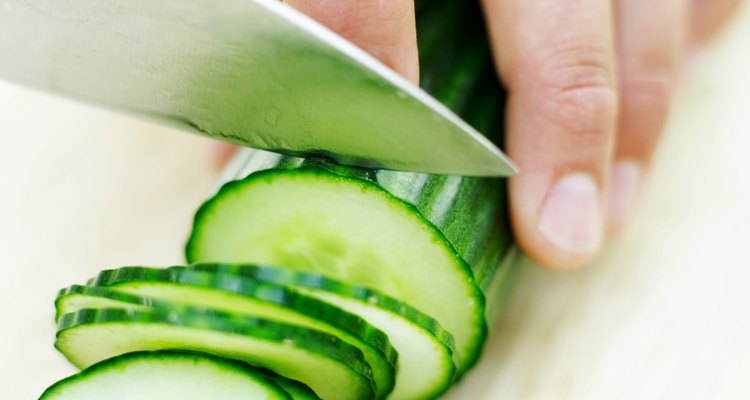
Most ancient Egyptians lived along the fertile Nile River valley. They planted crops in the rich, black soil deposited every spring by the receding flood waters of the Nile River. Chickpeas, fava beans, lettuce, garlic, onions, leeks and cucumbers grew quickly and were harvested as quickly as possible before the flood waters returned to cover the land and enrich the soil again. Pomegranates, figs and dates grew along the waterways and grapes twined on the steep hillsides of the Sinai.
Goats and sheep grew fat on the tough grasses and vines on the mountains and plains. Pigs were not used for food as often, because many people regarded them as dirty, since they would eat offal. The desert heat in the hills and the heavy humidity along the river valley made pork a poor choice as a daily part of the Egyptian diet. Poultry and fish were far more common on the Egyptian table, along with the occasional crocodile, hippopotamus and ostrich.
Foods were sweetened with honey and fruit pastes made from figs, dates and pomegranates. Barley, wheat and rice were the staple crops, ground into flour or used as a base to serve with stews. Everything used in an Egyptian household came from hunting, gathering or farming.
World’s Oldest Candy
Ablestock.com/AbleStock.com/Getty Images
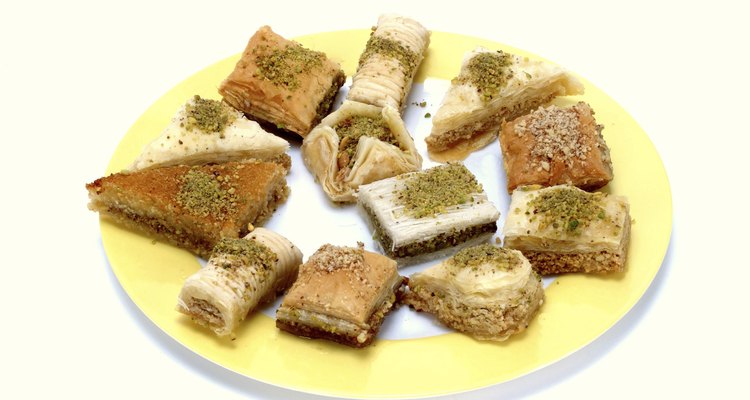
A mixture of ground dates, honey, sesame seeds and almonds is the oldest known candy in the world. Known as halvah, halawi, or Tiger Nut Sweets, this same recipe is believed to be the oldest Egyptian recipe ever found. Grind 2 cups of dates into a paste with a mortar and pestle, and mix them with just enough water to roll it into balls. Add ½ cup or so of toasted sesame seeds, a teaspoon of cardamom and ½ cup of crushed nuts. Roll the mixture by hand into small balls the size of a shooter marble, or about 1 inch in diameter. Dip them in honey, roll them in cinnamon, and finally in slivered, toasted almonds.
Bamya
Eising/Photodisc/Getty Images
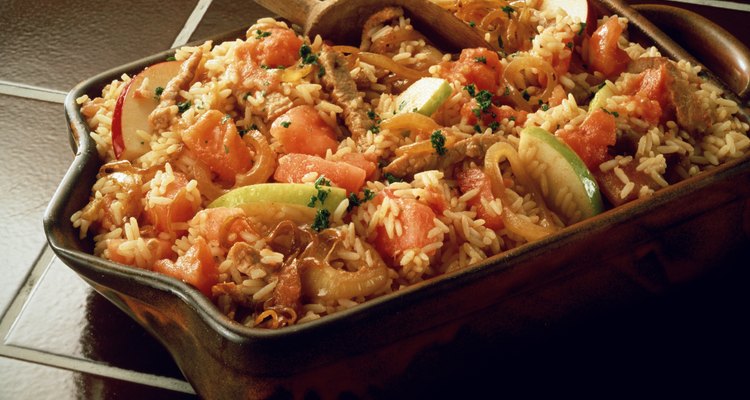
Gumbo, a stew made from okra, tomatoes and chunks of meat, has existed for far longer than the Creoles in New Orleans. Bamya, a traditional Egyptian dish that is very similar to gumbo, is made using sauteed lamb chunks and wine-marinated okra. The dish is spiced with cumin, cardamom, salt, black pepper and chopped fresh mint, mixed with chopped tomatoes and tomato sauce, simmered and served over rice. To make it, saute 2.5 pounds of lamb chunks in olive oil until well browned. Add ½ cup chopped mint, 1 tsp. each of cumin and cardamom, salt and black pepper. Stir in 1.5 pounds of fresh, chopped tomatoes and one 6-ounce can of tomato paste. Heat 2 Tbsp. of olive oil in a large saute pan. Stir in 2 pounds of fresh, drained, wine-marinated okra. Add two cups vegetable stock, preferably made from the water used to cook chickpeas. Add okra to your meat mixture and allow it to simmer over low heat until all remaining liquid from the tomatoes is absorbed.
Ful Medammes and Ful Bebeid
Brand X Pictures/Brand X Pictures/Getty Images
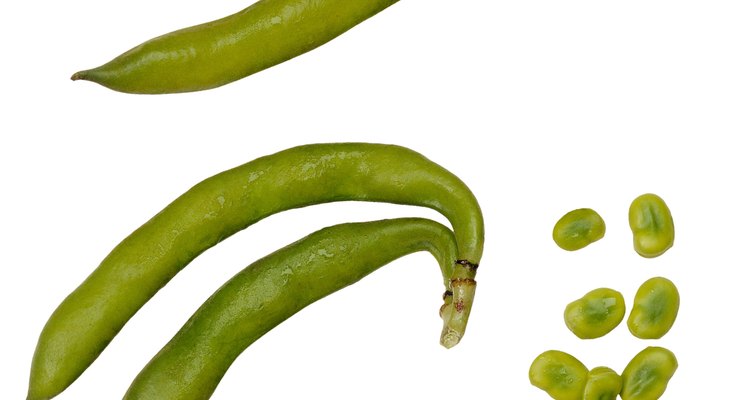
Ful, or fava beans, are a staple of the Egyptian diet. Soak 2 pounds of dried beans in salted water overnight, then slow-cook until tender. Mash the beans into a thick paste and mix them with two whole bulbs (not individual cloves) of fresh, minced garlic and 1 tsp. fresh-ground black pepper. Eat with pita triangles and sliced hard-boiled eggs. Check out the first Resource; Seena Salkkaraam has photos of her ful medammes being served with khobz, a peasant bread that is a Middle Eastern staple.
Hummus
John Foxx/Stockbyte/Getty Images
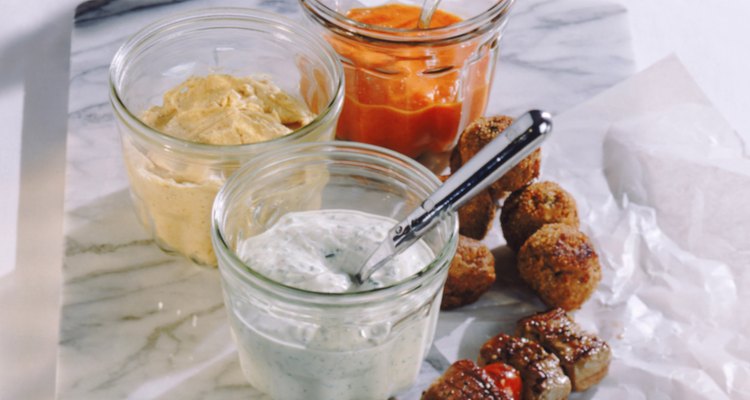
Hummus is a spread made from chickpeas and sesame paste, flavored with garlic and lemon juice. Soak 1 pound of chickpeas overnight in a large, covered stockpot or Dutch oven. Add water to cover your chickpeas one inch and bring to a boil. Simmer all day in a covered stockpot or Dutch oven, stirring occasionally to keep the chickpeas from sticking or scorching. Drain water into a separate container to use as vegetable stock for your bamya. Crush your chickpeas into a thick paste, adding a bulb of crushed garlic, a little lemon juice and a large pinch of salt. Keep refrigerated in a small container with a tight cover. Serve with pita points, which are pita bread cut into triangles, toasted in the oven.
Related Articles

How to Eat Hickory Nuts
The Most Popular Foods of Puerto Rico
Staple Foods in Greek Culture
Afghan Spices
A Raw Food Diet With Meat
Which Nuts Are Alkaline Forming?

What Type of Food Do People in Honduras ...
How to Cook a Whole Fish Jamaican Style
The Mayan Diet
List of Greek Breads
Fenugreek for Acne

What Are Some Examples of Unleavened ...
How to Soak Amaranth
Does Falafel Go Bad?
What Kind of Bread Do I Serve With ...
List of Cuban Foods

Hopi Indian Foods

What Are the Staple Foods of Scotland?

Can You Eat Frozen Edamame From the ...
History of African Peanut Soup
References
Writer Bio
Jane Smith has provided educational support, served people with multiple challenges, managed up to nine employees and 86 independent contractors at a time, rescued animals, designed and repaired household items and completed a three-year metalworking apprenticeship. Smith's book, "Giving Him the Blues," was published in 2008. Smith received a Bachelor of Science in education from Kent State University in 1995.
Photo Credits
John Foxx/Stockbyte/Getty Images