The History of German Foods

The closest most Americans get to real German food is Oktoberfest-style beer, bratwurst, and pretzels. While those are part of the history of German food, it glosses over the long, rich heritage and diversity of German cuisine. Learning a little bit about German food, what ingredients are important, and why the foods are so unique will help you understand Germany's cultural contributions. Does this Spark an idea?

  1. Beer

    • The first thing most people associate with Germany is beer. Though Germans neither invented beer nor were the only ones to produce it in Europe, beer became incredibly important to the German people. Beer was important because in ancient and medieval Germany, drinking water was dangerous; sewage, dead animals, agricultural run-off, and other contaminants allowed the growth of harmful bacteria that caused cholera, dysentery, and other deadly diseases. Boiling beer killed off some of the harmful germs, and the alcohol content finished the job. In 1516, Bavaria passed the "Reinheitsgebot," or beer purity law, which represents one of the first food quality laws in the world.

    Wurst

    • Wurst literally translates as "sausage" and is an early part of the German effort to store food for later use. In medieval Germany, meat, fat, and spices were stuffed in a casing and smoked; smoking dried the sausage and prevented spoiling. This was important because the long winters in Northern Europe meant that food needed to stay nutritious and edible for months at a time. There are many types of sausage, such as liverwurst, knockwurst, and bratwurst, and each varies by region in Germany.

    Butter and Cheese

    • Roman writers who encountered Germanic people, such as Tacitus, were often derisive of the Germanic love of butter and cheese. Butter and cheese, however, represent another way to preserve calorie-dense food for later consumption. Butter was used for cooking (and occasionally bathing) as well as to make vegetables more palatable. Cheese, on the other hand, was a food-preservation measure; calcium, fat, and protein were stored in relatively spoil-proof cheese wheels for winter consumption.

    Hazelnuts

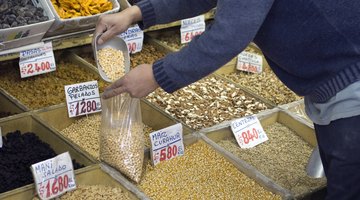
    • The humble hazelnut has been a staple of German cuisine for thousands of years. The nuts are dense in calories and were easily incorporated into existing and new German foods. Though not exclusive to Germany (5,000-year-old hazelnut fossils have been found in Syria and China, for example), Germans have nonetheless used the nut in coffee, chocolates, and desserts and even sprinkle it on traditional dishes.

    19th Century

    • In the 19th century, German immigrants to the United States brought with them their culinary heritage. In 1869, Adolphus Busch and Eberard Anheuser formed the Anheuser-Busch beer company in St. Louis, Missouri. Tomas Dorgan, who could not figure out how to spell "frankfurter" when he was making a cartoon about the new sausage-in-a-roll treat, instead called the treat a "hot dog" because it resembled a Dachshund. Hamburgers, Salisbury steaks, and more flooded the American market in the late 19th century, making German foods a staple in America.

Related Searches:

References

Comments

You May Also Like

  • About German Food

    German cuisine has evolved over the centuries after being influenced by other cultures, political change and regional tastes, but its staples have...

  • About Spanish Cuisine

    When people think of European cooking, they think Italian or French, or perhaps German. Even Irish or Swedish often comes up before...

  • Traditional German Foods

    Traditional German Foods. German foods have a reputation for being dense, filling and bland. While many traditional dishes are filling, they are...

  • German Food Desserts

    German desserts are as rich and varied as the history of their homeland. Fresh apples can be used to make a delicious...

  • About Potato Latkes

    Potato latkes made from finely shredded raw potato, egg and onion are commonly associated with the Jewish cuisine. Traditionally potato latkes are...

  • List of German Foods

    List of German Foods. German food is rich in tradition and history, with a vast array of different tastes and textures depending...

  • German Restaurants Near Andover, New Jersey

    eHow Food, Rachael Ray and her Buddies want to show you how to get more out of every day, every meal and...

  • German Ethnic Foods

    German Ethnic Foods. Whether you're planning to visit Germany in the near future or just wanting to add some new types of...

  • What Does the Iron Cross Represent?

    The German Iron Cross medal was first awarded in the 19th century, but the origins of its distinctive design go back to...

  • Ancient German Cooking Tools

    Ancient German Cooking Tools. Cooking utensils through the ages really haven't changed as much as we might think. In ancient Germany as...

  • German National Foods

    German National Foods. Germany features distinct cuisine and culture. There are many authentic German national foods, including soups, salads, meats, cheeses and...

  • Origins of Christmas Food

    We all have favorite Christmas foods. Some are foods that we made with our mothers, used as tree decorations, or ate at...

  • German American Influence on American Food

    German-Americans have influenced American cuisine since they first arrived in the 17th century. Although their influence has been forgotten, many foods commonly...

  • History of Muenster Cheese

    Muenster is a cheese that is most commonly produced in France. There are different kinds of muenster cheese and each one is...

  • German Sheperd History

    The German Shepherd breed is the world's top guard, police and military dog. Known for working overtime, this dog often goes beyond...

  • German Language and Culture

    Germanic tribes migrated into Western Europe from the Baltic region starting around 500 B.C.E. These nomads posed a significant threat to Rome...

  • How to Determine the Value of 19th Century American Country Furniture

    Determining the value of 19th-century American country furniture depends on many factors. The value of American country-style furniture began to increase when...

  • Old World German Foods

    Old World German Foods. Old World Germany was separated into many kingdoms and regions before the country's national unification in 1871. These...

Related Ads

Know Your Knives: Josh Ozersky’s Comprehensive Guide

I have a lot of knives. You probably do too. I really don’t know what to do with them all. There’s a Chinese cleaver, aï؟½

Featured