




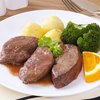
If you suffer from cirrhosis of the liver, you may or may not already experience trouble digesting certain foods and may experience abdominal discomfort after eating. It is important to understand the role of the liver in the processing of foods so that you can eat food that won't negatively effect your liver condition. There are also some foods that are highly beneficial for the liver and conditions like cirrhosis and may help you to improve the unwanted complications that cirrhosis may present.
Function
In general, people with cirrhosis of the liver suffer from diminished liver functioning to differing degrees due to scarification of liver tissue and the subsequent loss of use of those parts of the liver. The liver is responsible for making nutrients, processing fats and processing potentially toxic compounds such as alcohol. People suffering from cirrhosis of the liver may also suffer from malnutrition if the liver function is low enough to prevent adequate processing of dietary nutrition.
Considerations
People suffering from cirrhosis of the liver should eat as healthful as possible and avoid foods that may further complicate the liver. According to the Mayo Clinic, avoiding alcohol, eating a low sodium diet and eating plenty of fresh fruits and vegetables are among the key components to dealing with cirrhosis through diet. They also recommend eating low fat protein sources such as lean meats and fish.
Healthy Foods
Several food sources have been found to be beneficial for liver functioning and may provide positive support for those dealing with cirrhosis and its complications. Artichokes has been used to help liver conditions throughout the European world and a recent study in Spain, at the University of Seville, found that artichoke extract improved bile production in mice. Dandelion greens are another food that have been traditionally consumed by those with liver ailments and a recent study in Korea at the Center of Smart Foods and Drugs found dandelion to protect the liver of rats from chemically induced inflammation.
Potential
According to the Mayo Clinic, there is no known cure for cirrhosis. The scar tissue that results is usually permanent and sometimes spreads. However, the liver itself is regenerative and can function properly if cirrhosis has not spread too far. By eating foods that are good for your liver and your digestive system in general, it may be possible to reverse some of the symptoms of cirrhosis, even if the scar tissue itself does not go away.
Supplements
If cirrhosis is severe or advanced, it may be difficult to get all the nutrition you need from whole food sources alone. In these cases, you may want to supplement your diet with vitamins, minerals and pre-digested protein or fat compounds that are available at health food stores.
References
Writer Bio
Based in San Francisco, Ocean Malandra is a travel writer, author and documentary filmmaker. He runs a major San Francisco travel website, is widely published in both online and print publications and has contributed to several travel guidebooks to South America.