Neutering, or the removal of a male dog's testicles, is a common and routine surgery with minimal risks and plenty of benefits for dogs and their owners. The procedure is done under general anesthesia and is completed in just five to 20 minutes. In most cases, you will take your dog to be neutered early in the morning and get him back later in the day after the anesthesia wears off.
Video of the Day
Preparing for surgery
Remove your dog's food and water the evening before to make sure he has an empty stomach for the surgery. Your veterinarian will give you specific instructions for how long your pup needs to fast before the procedure. Some veterinarians recommend or require pre-surgery testing and bloodwork to make sure the dog is healthy enough to handle anesthesia. This is especially important for older dogs undergoing the procedure. This is usually done at an earlier appointment, but some vets will do the blood test on the day of the surgery.
Video of the Day
Neutering surgical procedure

The neutering procedure is simple and minimally invasive. Your dog will be put under general anesthesia for the procedure and will be monitored throughout the surgery to make sure his vital signs remain in normal ranges. Sedated dogs aren't able to maintain their body temperature, so your vet may place your dog on a heating pad during the procedure.
Your vet will shave and disinfect the scrotum before making a small incision. The testicles are removed through the scrotum. Finally, the incision is closed with sutures. The entire procedure is completed in about five to 20 minutes.
Neutering surgery recovery
Your dog will wake up from the anesthesia after about 15 to 30 minutes, but he will likely still be groggy. You can take your dog home after a few hours. Your vet will give your dog a pain reliever medication after surgery to minimize your pup's discomfort. Your vet will usually use sutures that dissolve, so no follow-up appointment to remove the stitches is necessary.
Follow the care instructions from your vet to help your dog recover from surgery as quickly as possible. Generally, you will want to keep him calm and quiet for a few days and minimize running and jumping. Make sure he doesn't lick or chew his stitches, which can open the wound and invite infection. Consider using an e-collar to keep him from licking.
Common surgical risks
While neutering is a safe procedure and most dogs come through it with no side effects, there are risks that come with any surgery. Although rare, some dogs may have a reaction to the anesthesia medication. In addition, dogs with liver or kidney problems or heart murmurs are at a greater risk of having problems under anesthesia.
After the surgery, the main concern is an infection, which can be caused or worsened if your dog licks the site. Check the site regularly and if you see any torn sutures or signs of infection, such as redness and swelling, contact your vet for a follow-up appointment and treatment.
Benefits of neutering
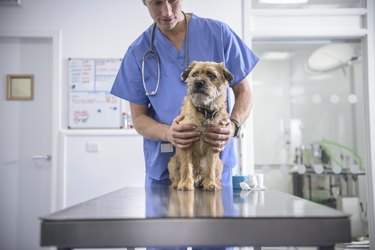
Most vets recommend neutering, and there are many benefits to the procedure. Neutering eliminates the risk that your dog will contract testicular cancer and reduces the risk of prostate disease. It also helps to prevent and minimize behavioral problems common in intact dogs, such as marking and roaming. Some dogs are also less aggressive after being neutered. Keep in mind that if older dogs already have these habits and behaviors, neutering alone may not fix the issue.