
If you're in the market for a wheelchair, you can often get a higher-quality chair for your money when you buy used. Insurance companies periodically pay for new wheelchairs, and users often like to upgrade. Many used wheelchairs are sent to developing countries, but there are ways to buy cheap used wheelchairs in the United States, if you know where to look.
Visit Thrift Shops
Video of the Day

People sometimes donate wheelchairs to thrift shops and charities. Perhaps they needed a wheelchair only while they recovered from an illness. They may have outgrown the chair or upgraded. Maybe it came from an estate. Regardless, wheelchairs can be found at thrift shops, secondhand stores and even yard sales. If getting around is difficult, be sure to call before you head to a particular store, so you visit only places that have wheelchairs in stock.
Video of the Day
Bargain-Hunting Online

To get a bargain on used wheelchairs, even upscale electric-scooter-style wheelchairs, check Craigslist.org and eBay.com.
Craigslist is a free classified website with pages for most locales. Click on your state, then your nearest city to view ads listing items for sale. Wheelchairs are often under "beauty and health." You can also post your own "wanted" ad.
The auction site eBay has users from all over the country who list items for sale. When bidding on products through eBay, be aware of the shipping costs, which can be significant for a wheelchair. They're paid in addition to your bid price and are generally posted on the listing. An alternative to eBay is Atomic Mall.
Online Discount Wheelchair Vendors
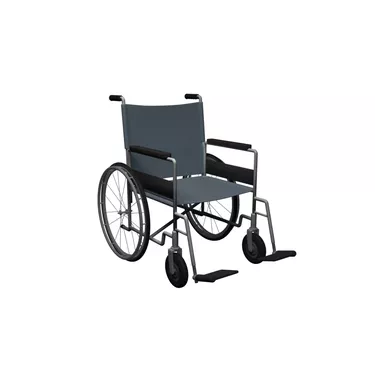
There are websites that offer wheelchairs at a discount. Some are used, some have been repossessed, and others are ordered in bulk, and the savings are passed onto the consumer. Because online vendors don't need to maintain a storefront, their overhead expenses are lower than medical supply stores. Often, you deal directly with the importer and sometimes directly with the manufacturer.