Protein for Muscle Recovery

Protein is vital for muscle recovery for people of all athletic levels, whether you are a body-builder, a professional athlete, or a recreational exerciser. By making sure your muscles are properly replenished through protein, you will see better results through your workouts and be less sore.

  1. Function

    • Your muscles are naturally composed of protein, with the help of the foods you eat. However, this protein can be lost during all phases of your workout. Although protein does not give you the energy for a workout that carbohydrates do, it still plays an important role in your muscle structure and well-being. For the best results, eat small amounts of protein before and after your workout to aid in muscle recovery.

    Catabolic Phase

    • When you exercise, your muscles break down protein, or go through a catabolic phase. According to www.poweringmuscles.com, if you plan to exercise for a long period of time, eat a mix of carbohydrates and protein two hours before your workout to keep you muscles from tiring too quickly. A lack of protein in your body before a workout will interfere with muscle recovery.

    Anabolic Phase

    • The anabolic phase is also the recovery phase for muscles after you work out. Your muscles utilize any protein in your body for repair and rebuilding. Your muscles will gradually become sore after a workout if there is a lack of protein in your body . Eat protein within 30 minutes after you finish your workout.

    Foods

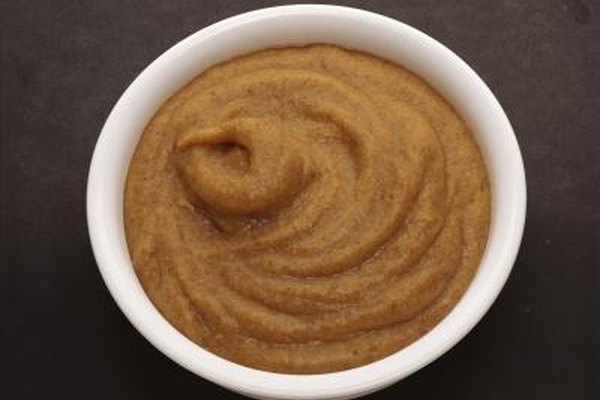
    • You can eat protein from various foods, whether they are included in a meal, or you just need a snack to recover from your workout. Lean meats like chicken and fish are a source of protein, as well as eggs and milk. If you are a vegetarian, try soy products. A snack which contains both fiber and protein is apple slices dipped in peanut butter. Be careful to keep the peanut butter serving to a spoonful, as it also contains fat.

    Supplements

    • Protein supplements, such as those in the form of powders, are offered at health food stores and marketed to help you build muscle. However, according to www.wellsphere.com, protein in the form of food is more beneficial and efficient than supplements. Your body absorbs protein in its original source better than broken down versions, like those found in store-bought extracts.

Related Searches:

References

You May Also Like

  • Muscle Recovery Nutrition

    Research has shown that the key to a fast recovery is to consume food and beverages that have a 4-to-1 carbohydrate-to-protein ratio...

  • Muscle Recovery Time

    When you train, both the skeletal muscle system and the nervous system are put under a high amount of stress. This leads...

  • What to Eat for Muscle Recovery

    Nothing stresses muscles like heavy exercise. Muscles need lots of attention to recover from the wear and tear they take. Exercise drains...

  • Does Spirulina Help With Stroke Recovery?

    Spirulina is a popular dietary supplement and widely touted as a "superfood" because it contains a complete amino acid profile, essential fatty...

  • Help With Muscle Recovery

    Muscle injury occurs when the muscle is stretched or torn, according to the Mayo Clinic. Strains commonly occur in the back and...

  • High Protein Diet & Breast Cancer Recovery

    Breast cancer is a disease that will affect almost 13 percent of women at some point during their lives, according to information...

  • Vitamins That Aid in Stroke Recovery

    Vitamins That Aid in Stroke Recovery. People who have suffered from a stroke are at an increased risk of having another stroke....

  • Advanced Muscle Recovery Tips

    Athletes who are highly committed to their sports or recreation can't always take time off, yet one of the biggest impediments to...

  • Diet With Ultimate Muscle Protein

    Ultimate Muscle Protein is a protein supplement that increases gains in muscle mass and speeds the healing of muscles following vigorous workouts....

Related Ads

Featured