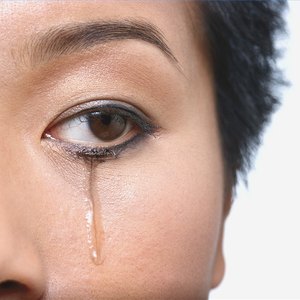
Classic Symptoms of Depression

Depression is a difficult and mentally debilitating disorder, whether an individual is mildly or clinically depressed. An individual who suffers a major depressive episode is diagnosed as having major depression, while someone who is continuously depressed but not severely so is diagnosed as having dysthymic disorder.

  1. Physical Symptoms

    • People with depression often experience changes in physical behavior. Depression commonly alters sleeping patterns, causing the person to sleep too much or suffer insomnia. Fatigue or lack of energy is likely to occur with depression, as are appetite changes, which can result in as much as a 5 percent weight gain or loss in a short period of time.

    Mental Symptoms

    • An individual with depression begins to experience feelings of worthlessness, self-hate and/or guilt. They become very distracted, unable to think clearly, make decisions or concentrate. Agitation, restlessness and irritability may occur, and he may withdraw from social activites or those he used to enjoy. Feelings of helplessness, hopelessness and despair are characteristic of depression, as are thoughts of death or suicide. Occasionally, psychotic symptoms, such as hallucinations or delusions, are present.

    Prevalence of Symptoms

    • These are all symptoms of depression, but not all are necessarily present in an individual suffering from the illness. Two depressed people may experience completely different symptoms; One may be generally irritable and suffer from insomnia while the other is more passive, sleeps a lot and is preoccupied with thoughts of despair.

    Dysthymia

    • Dysthymia is a milder form of depression and may leave the sufferer with a pessimistic attitude, feelings of guilt, a loss of interest and social withdrawal. In addition, weight gain or loss, low self-esteem, chronic fatigue or difficulty concentrating may occur. Dysthymia can last years but is not as severe.

    Diagnosis

    • Often times, depression goes unnoticed because the individual attributes his depressive feelings to trouble at work, school or relationships, but if any of these persist for more than two weeks he should talk to a family member, friend or mental health specialist.

Related Searches:

References

You May Also Like

  • Nine Classic Symptoms of Depression

    Clinical depression has nine classic symptoms. These symptoms are defined by the American Psychiatric Association and often form the basis of a...

  • Signs & Symptoms of Depression in Dogs

    Depression in dogs is a mental disease caused by a variety of environmental or physiological factors. The symptoms of depression in dogs...

  • What Are the Signs of Clinical Depression in Men?

    Major depression, also known as clinical depression, affects about 15 million Americans every year. Major depression results in an overwhelming, disabling mood...

  • Clinical Depression Symptoms

    Clinical depression may be dismissed as a simple case of sadness, easily remedied by time and a little cheering up. In truth,...

  • Onset of Manic Depression Symptoms

    Manic depression, also known as bipolar disorder, is a brain disorder characterized by extreme shifts in mood, energy and behavior. A person...

  • Signs of a Major Depressive Disorder

    A major depressive disorder may also be referred to as major depression, unipolar depression, clinical depression or simply depression. To be diagnosed...

  • Physiological Symptoms of Depression

    Depression may be a mental health illness, but it can also affect the entire body in a very physical way. Classic warning...

  • Major Depressive Disorder Vs. Dysthymia

    Differences between major depressive disorder and dysthymia are characterized by levels of severity, duration and persistence. For example, the change in mood...

  • Symptoms of Manic Depression

    Manic depression, otherwise known as bipolar disorder, is a mental illness characterized by mood swings. Although treatable, there is no cure for...

Related Ads

Featured